Labour and Reform UK are separated by just three points in Greater Manchester, according to exclusive polling that suggests the battle to replace Andy Burnham could become one of the most fiercely contested elections in the city-region’s history.
Poll Details
The survey, carried out by FocusData on behalf of campaign group Hope Not Hate, found Labour on 33.2 per cent of first preference support, with Reform UK close behind on 30.1 per cent. The Greens were third on 12.5 per cent, followed by the Conservatives on 11.1 per cent and the Liberal Democrats on 7.6 per cent.
The poll of 1,143 people was conducted between May 22 and June 5 and weighted to be representative of Greater Manchester’s population. With a sample of 1,143, the poll carries a margin of error of approximately three percentage points, making it a potential dead-heat in the first round.

Context of the Election
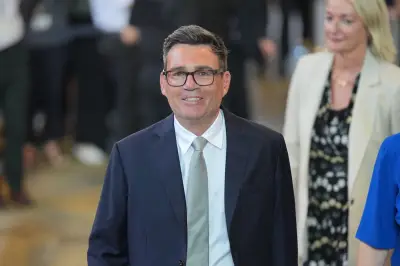
The findings come as the race to succeed Burnham begins to take shape following his move to Westminster. Mr Burnham looks likely to be Prime Minister by mid-July after Sir Keir Starmer announced he was stepping down this week. The Prime Minister has been under extreme pressure following a slew of bad local election results and Mr Burnham’s dramatic and decisive win in the Makerfield by-election.
Labour has selected Manchester council leader Bev Craig as its candidate for the July 30 contest. Craig, who has led the council since 2021, is regarded as a close ally of Burnham and will seek to present herself as the candidate of continuity after nearly a decade of Labour control of the mayoralty.
Following the announcement, Coun Craig said: "Greater Manchester is a special place - from the industrial revolution, the trade union and cooperative movements and the suffragettes - this place has always fought for progress. This place changed my life and I owe it everything. It gave me opportunities I could never have imagined, and I've spent my career trying to give something back."
Other Candidates
Reform UK is yet to formally announce its candidate, although party figures are increasingly confident they can mount a serious challenge after strong performances across Greater Manchester in recent elections. Dan Barker has emerged as a leading contender for the nomination.
The Green Party has selected Trafford councillor Geraldine Coggins, who is hoping to build on the party’s recent advances in Greater Manchester and position herself as an alternative to both Labour and Reform. The Liberal Democrats are also expected to contest the election, although their candidate had not been formally announced when this article was published.
Key Issues for Voters
The survey suggests voters remain focused on a handful of key issues. More than half of respondents, 51 per cent, said the cost of living would influence how they vote. Healthcare and the NHS followed on 42 per cent, while crime and anti-social behaviour was cited by 30 per cent. Immigration and border control was selected by 26 per cent.
The poll also suggests Greater Manchester residents remain more optimistic about their region than they are about the country as a whole. Some 42 per cent said Greater Manchester was heading in the right direction, compared with just 19 per cent who said the same of the UK.
Electoral System Controversy
The starkly competitive polling numbers come amid a fierce row over how the next mayor will actually be chosen. Earlier this month, the government pushed through legislation to scrap the First-Past-The-Post system for mayoral races, reverting instead to the Supplementary Vote system. When elected mayors were first introduced in the early 2000s, this supplementary system was the norm, but the last Conservative government imposed First-Past-The-Post via the Elections Act 2022.
Reform UK have blasted the sudden U-turn, calling it a "blatant and cynical attempt by this Labour government to gerrymander the political process."

The change will have a significant practical impact on the July 30 results. Because the survey measured first-preference support only, it doesn't account for the second-choice votes voters can now cast under the restored system. If no candidate wins an outright majority in the opening round, those second preferences will prove decisive. It is widely thought this setup favours Labour, as left-leaning Green or Liberal Democrat voters are far more likely to back Bev Craig as their backup than to swing to a right-wing bloc supporting Reform.
For now, however, the poll points to a political landscape that is more competitive than many would have expected in one of Labour’s traditional strongholds.