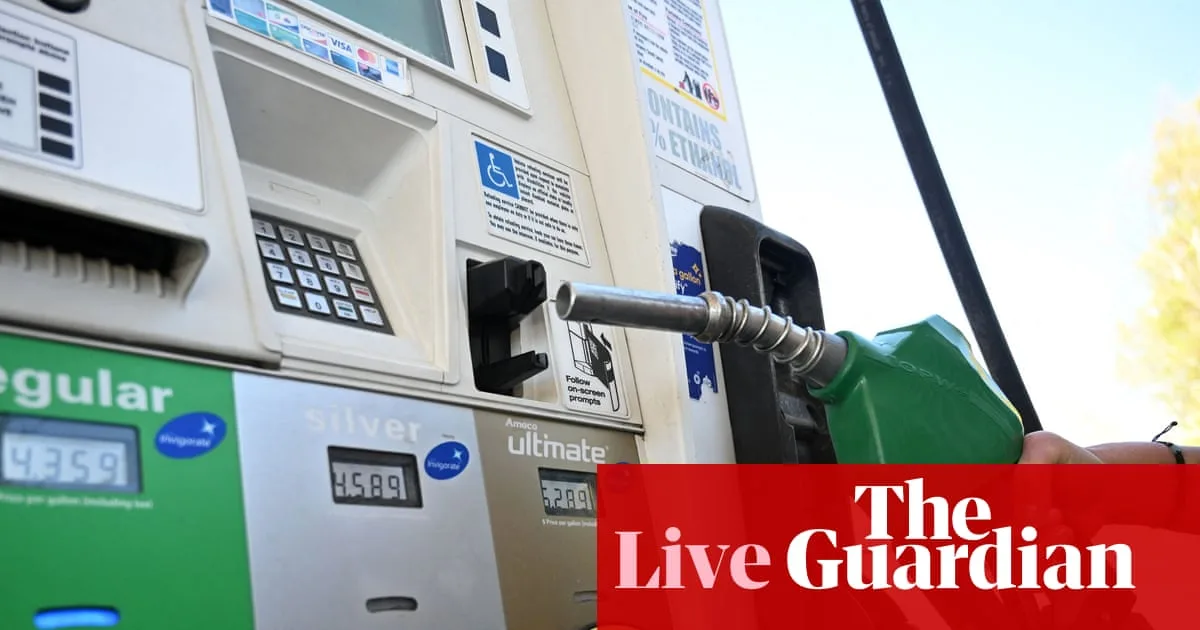
US inflation rose to an annual rate of 4.2% in May, marking the third consecutive monthly increase since the start of the Iran war and reaching a three-year high. The surge is driven largely by steep oil prices, with energy costs accounting for 60% of the monthly increase in the consumer price index, according to the Bureau of Labor Statistics.
Prices have climbed sharply in recent months, from 2.4% in February before the conflict began, to 3.3% in March and 3.8% in April. The latest figures come as President Donald Trump warned Iran it would have to 'pay the price' for delaying negotiations to extend a ceasefire and reopen the Strait of Hormuz, pushing Brent crude up 1% to $92.45 a barrel.
In the UK, ministers are expected to drop some planned tariffs on foreign steel after manufacturers warned the measures would significantly increase costs. Representatives from the Department for Business and Trade are meeting steel industry leaders this week to finalise details of a reprieve for certain sectors.
WH Smith issued a profit warning after shopper numbers at its US airport stores fell due to the Middle East war. The retailer, which operates 1,200 outlets globally, plans to raise about £100m to strengthen its balance sheet, pay down debt, and shut unprofitable stores amid a downturn in trading conditions.
Meanwhile, Octopus Energy has reportedly ended a long-running dispute over its financial resilience by offering the regulator proof it has met capital targets. The UK's biggest household energy supplier, serving around 8m households, initially missed a deadline to hold a capital buffer of about £800m but has now submitted financial reports to Ofgem for approval.
Stephen Brown, chief North America economist at Capital Economics, noted that the 0.2% month-on-month rise in core CPI was not as bad as feared, suggesting price pressures are not broadening. He highlighted that core goods prices fell 0.1%, partly due to declines in items previously lifted by tariffs, and a steep fall in medical care commodities, reflecting the Trump administration's efforts to lower drug prices.