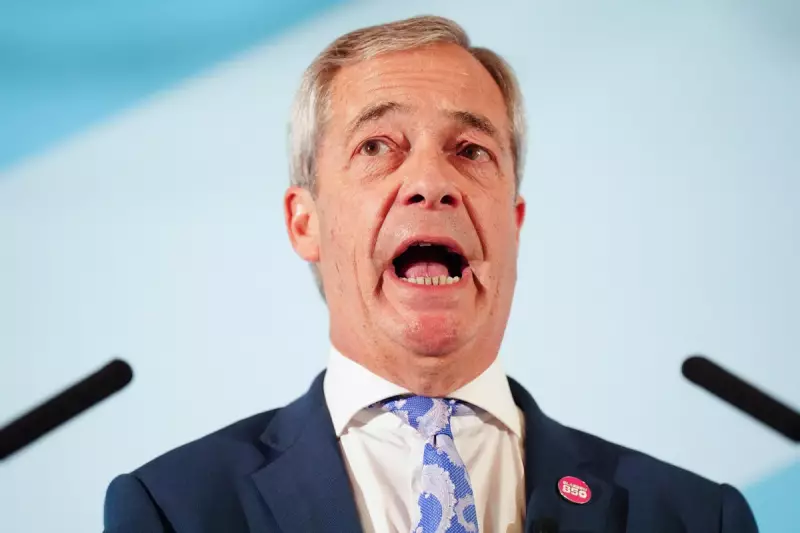
Allegations that Nigel Farage held racist and antisemitic views during his time at school have failed to damage his standing with voters, according to a new survey. In fact, the Reform UK leader's approval rating has seen a marginal uptick in the wake of the claims.
Poll Reveals Hardened Opinions on Farage
The exclusive poll, conducted by JL Partners for The Independent, found that while half of the electorate maintains a negative view of the political figure, his overall approval has improved by one per cent. This data suggests the claims have had little to no negative impact on his public reputation.
James Johnson, former Downing Street pollster and founder of JL Partners, provided insight into the findings. He indicated that voters' perceptions of Mr Farage are already firmly established, making them resistant to change from historical allegations. He drew a parallel to the United States, where similar accusations against figures like Donald Trump sometimes resulted in a slight boost in ratings as supporters viewed the claims as politically motivated.

The Allegations and the Response
The controversy stems from accounts given by more than twenty former pupils of Dulwich College. They have accused Mr Farage of espousing what they describe as 'racist, antisemitic and fascist views' during his student years. Their accounts have been supported by a former teacher, Chloe Deakin.
In response, Nigel Farage has vehemently denied the allegations, labelling them a 'smear'. He has acknowledged that he 'probably' misspoke in his youth but has firmly rejected any suggestion of malicious intent or that he directly targeted individuals based on their race or religion.
Political Resilience in the Spotlight
This episode highlights a recurring theme in modern politics: the apparent resilience of certain figures to scandals rooted in their past. The poll, dated Tuesday 30 December 2025, indicates that for a significant portion of the electorate, these historical claims do not outweigh their current political alignment or views.
The findings will likely fuel further debate about the role of a politician's personal history in shaping public opinion and whether some figures operate within a political sphere where traditional rules of reputational damage no longer apply.