WNBA Draft Night: Talent Overshadowed by Relationship Speculation
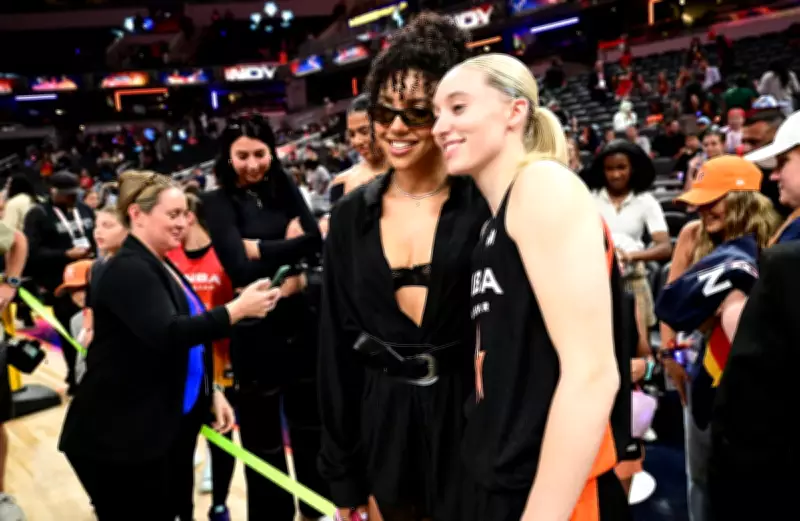
In a highly anticipated WNBA draft, the Dallas Wings selected Azzi Fudd as the No. 1 overall pick, reuniting her with former UConn teammate Paige Bueckers. Fudd, a standout shooter who led UConn to a national championship in 2025 and earned All-American honors, deservedly celebrated her professional milestone. However, the discourse quickly shifted from her athletic prowess to relentless speculation about her romantic relationship with Bueckers, exposing deeper issues in how women's sports are perceived.
The Draft Moment and Immediate Aftermath
When Fudd's name was called, she joined WNBA commissioner Cathy Engelbert onstage, radiating joy and nervousness. She posed with her jersey, navigated an ESPN interview, and shared smiles with family and teammates, including Bueckers, who was the Wings' top pick in 2025. This moment should have centered on Fudd's impressive college career, marked by All-Big East first-team selections and a reputation as one of the best shooters in the game. Instead, media and fan attention fixated on her personal life, diverting focus from her potential impact in the professional league.
Historical Context of Relationships in the WNBA
The WNBA, entering its 30th season, has always included romantic relationships among players, with a significant queer presence since its inception. Frankie de la Cretaz, author of the Out of Your League newsletter, notes that while the league's foundational audience was largely queer, mainstream culture now imposes narratives that erase this history. She explains, "The WNBA and its locker rooms are culturally lesbian spaces, and those spaces come with different social norms than straight ones do." Players often socialize with current and former partners, a dynamic common in women's sports and lesbian communities, yet this is frequently misunderstood or sensationalized by outsiders.

Social Media and Parasocial Dynamics
The surge in interest in WNBA players' love lives is amplified by social media platforms like Instagram and TikTok, where parasocial relationships thrive. Fans can easily access speculation about athletes' social lives, blurring the line between public and private. Dr. Alicia Smith-Tran, an associate professor at Oberlin College, argues that this focus marginalizes women athletes, stating, "Women who are professional athletes continue to be seen as lesser than their male counterparts." She adds that athleticism is culturally viewed as masculine, making it harder for women in sports like basketball, which requires height and strength, to be recognized solely for their skills.
Fetishization of Queer Relationships
Beyond marginalization, the conversations around Fudd and Bueckers contribute to the fetishization of queer couples. De la Cretaz points out that such speculation often reduces real people to tropes from romance novels, as seen in dramas like Heated Rivalry. "All too often, queer relationships are fetishized and dehumanized, becoming fodder for people to project their own desires on to," she says. This exoticization detracts from the athletes' humanity and professional achievements, framing their lives as entertainment rather than respecting their privacy and talent.
Broader Implications for Women's Sports
The emphasis on romance over athleticism reflects a persistent bias in sports media, where women athletes are often objectified or relegated to gossip columns. Smith-Tran emphasizes that this dynamic paints women as less worthy compared to men, whose relationships are typically treated as secondary facts. As the WNBA gains popularity, it is crucial to shift the narrative to celebrate players' contributions on the court, fostering a culture that values skill and dedication over sensationalized personal details.