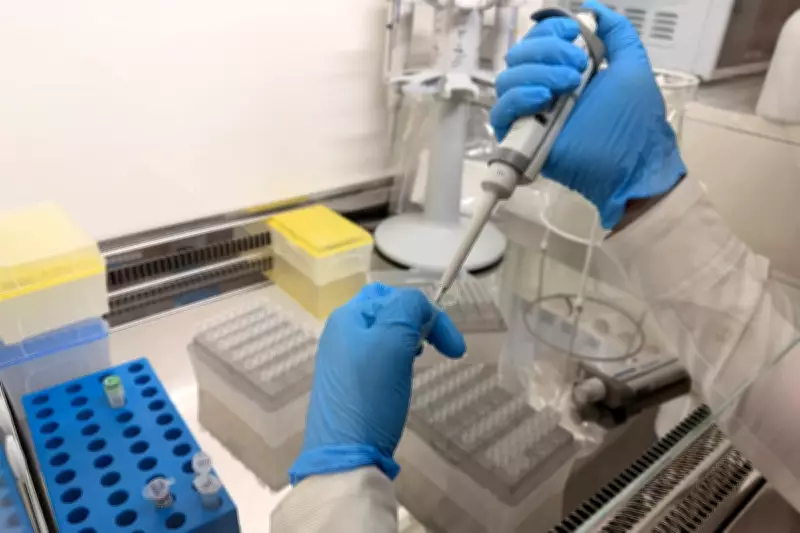
Inside a shipping container shaded by mango trees in the coastal town of Bagamoyo, Tanzania, research scientist Dr Brian Tarimo uses an ultra-fine needle to inject mosquito eggs on a microscopic slide. The container houses a state-of-the-art lab imported from Spain, now part of the Ifakara Health Institute. The needle carries CRISPR gene-edited material that blocks Plasmodium parasites, a potential game-changer in the fight against malaria, which still kills over 600,000 people annually.
Genetic Engineering Breakthroughs
Dr Tarimo explains that lab tests have shown success in blocking malaria spread. The next challenge is community engagement to move from lab to field testing by 2028, while meeting ethical guidelines. The Bagamoyo lab is one of few worldwide conducting mosquito genetic engineering. Its location in Tanzania aids the transition to field trials due to genetic similarity with local mosquitoes.
The original gene drive technology was developed at Imperial College London. Professor George Christophides notes that the UK has become a powerhouse in malaria research, with UK institutions leading two of three major international genetic engineering programs. Many advances, from early disease transmission discoveries to vaccines and mosquito control, involve strong UK leadership.

Vaccine Development
A malaria vaccine has long been considered a holy grail. The RTS,S vaccine, developed by British pharmaceutical giant GSK, was approved by the WHO in 2021. Two years later, Oxford University's Jenner Institute produced R21, which is twice as effective and a third of the price. Professor Adrian Hill, director of the Jenner Institute, notes that malaria was a tougher challenge than COVID-19 because the parasite is thousands of times larger than a virus.
Hill highlights that of 150 candidate malaria vaccines, only two have succeeded—both from UK institutions. He credits the strength of the UK biomedical sector and consistent government funding. UK public funding for malaria research reached £52 million last year, the highest in four years, cementing the UK as the second-largest funder after the US.
Colonial Legacy and Research Partnerships
Both professors acknowledge that the UK's colonial legacy left British universities with research partnerships in tropical regions, such as Tanzania's Ifakara Health Institute. This legacy fostered a tradition of internationally oriented research, now more collaborative and equitable. Professor Hill also notes an element of luck: after 20 years of malaria research, technological improvements aligned to enable breakthroughs.
Dr Sarah Moore, a mosquito-control specialist at Ifakara, points to increased accessibility of UK higher education for Global South students through scholarships. She emphasizes a shift toward decolonizing research, with many Ifakara students trained in the UK or Switzerland. Institutions like the London School of Hygiene and Tropical Medicine, Glasgow University, and the Liverpool School of Tropical Medicine are frequently mentioned by Ifakara scientists.
Celebrating UK Achievements
Dr Moore believes Brits are unaware of the country's impact on saving millions of lives from malaria. She calls for greater celebration of these achievements. Gareth Jenkins of Malaria No More notes that Sir Ronald Ross, a Briton, discovered the malaria parasite over 125 years ago. He asserts that the UK has long been a malaria science superpower.
With government cuts to the aid budget and polls suggesting low public priority for aid, generating appreciation for UK-backed malaria research is critical. The economic value is significant: investment in neglected disease R&D could generate £7.7 billion in additional GDP for the UK, and cutting malaria by 90% by 2030 could boost endemic countries' economies by $142.7 billion.
UK development minister Jenny Chapman states that foreign aid for scientific R&D and global health programs remains a priority. However, with a weak economy and a political party planning to cut foreign aid leading in polls, public recognition of the benefits of UK malaria support is essential. Dr Moore concludes that investing in malaria builds healthier workforces, transforms African economies, and fosters trade with the UK.