In the year since President Donald Trump signed an executive order promising to create a deep-sea mining industry from scratch, businesses have raised millions of dollars from investors, stock prices have soared and federal regulators have raced to fast-track a permitting process. At least nine companies are in talks with the government for access to seabed minerals, according to an Associated Press review. Sections of the seafloor from American Samoa to Alaska could be auctioned for offshore mining this summer and through the fall.
All the action suggests the US may soon give the green light for companies to commercially mine the seabed — something that's never been done in international waters. But a close look at some of the companies involved reveals uncertain track records and histories spattered with legal disputes, while major questions about how the minerals would be processed and refined remain unanswered. Watchers of the nascent industry are sceptical the promised riches will ever materialise.
“It just feels right to people thinking that there is a cornucopia of metals on the bottom of the seafloor that are just there to be plucked up like seashells on the seashore,” said Victor Vescovo, a private equity investor and deep-sea explorer who has chosen not to back any deep-sea mining companies. “If there's more scrutiny on their actual financial models,” he added, “you would go, ‘Wait a second, this is much more uncertain.’”

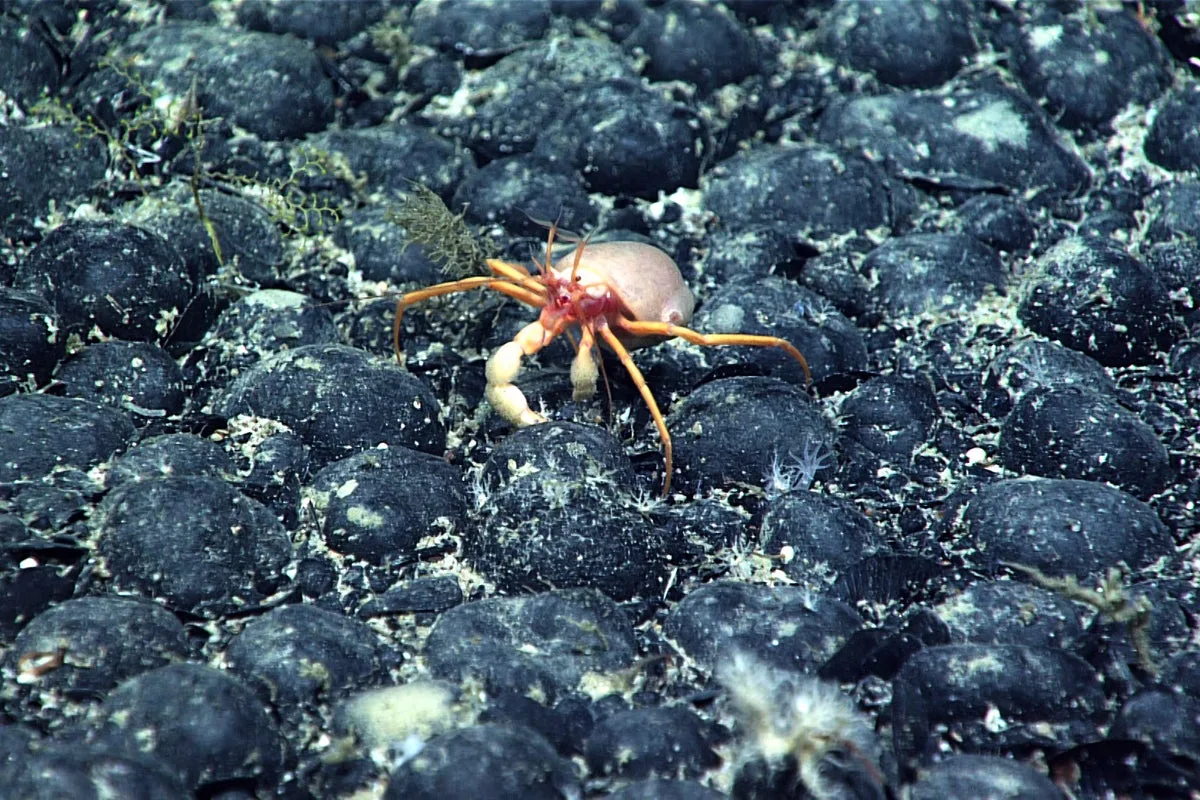
Trump's executive order in April last year marked a sudden embrace of an industry long dormant in the US. The president hailed seafloor minerals as vital to America's future prosperity and its trade independence from China. He directed US agencies to expedite permitting. The most widely prized ores are fist-shaped rocks known as polymetallic nodules, formed over millions of years from the remains of sunken shark teeth and shells. They contain high grades of manganese, copper, nickel and cobalt, and some rare earth elements.
Other parts of the seafloor have drawn prospectors, too: the mineral-rich crusts atop volcanic seamounts, and the rocky mounds flecked with gold and silver near hydrothermal vents. Nearer to shore, companies have proposed dredging ocean sands for titanium, zirconium and phosphorites. But for many companies, seafloor nodules hold the most allure. Trillions of nodules lie on the international seabed between Mexico and Hawaii, scientists say.
For more than a decade, delegates from dozens of countries have convened at the headquarters of the International Seabed Authority in Jamaica with the difficult task of creating globally agreed upon mining rules for those areas, which belong to no single country. The agency has so far granted exploration rights to nearly two dozen contractors, but has not allowed any to mine commercially. Under its mandate, the minerals are designated for the shared benefit of “all humankind.” Trump's order suggests the US will decide for itself when to mine the global seabed, reversing the decision of previous administrations to honour the seabed authority's rules.