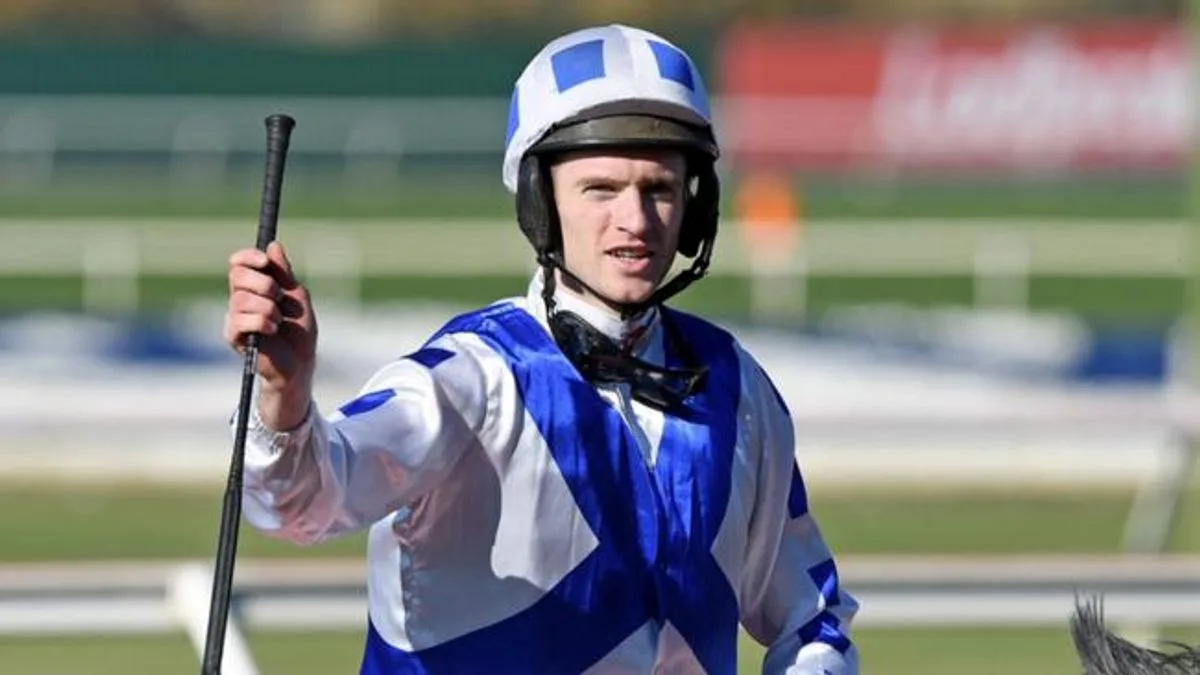
Jockey Exonerated Following Tragic Equine Fatality at Aintree
Renowned jockey Paul Townend has been formally cleared of any misconduct following a deeply distressing incident that cast a shadow over the second day of the Randox Grand National meeting. The controversy erupted after his mount, Gold Dancer, had to be euthanised moments after securing a dramatic victory in the William Hill Mildmay Novices Chase.
A Victory Marred by Tragedy
Gold Dancer, a seven-year-old gelding owned by Gigginstown House Stud, delivered an otherwise brilliant round of jumping in the Grade One contest. The sole exception came at the final fence, where the horse made a significant error, sprawling on landing. Paul Townend, the seven-time Irish champion jockey widely regarded as the finest National Hunt rider of his generation, momentarily appeared to slip in the saddle but expertly regained his balance.
He then cajoled the horse through the final furlong to clinch the race and the substantial £67,524 first prize. However, the triumph was devastatingly short-lived. Approximately fifty yards after crossing the finish line, Townend glanced behind, immediately sensed distress, and dismounted. Racecourse veterinarians rushed to attend to the horse, but upon examination, they discovered Gold Dancer had suffered a broken back, necessitating humane euthanasia.
Immediate Outcry and Official Investigation
The incident provoked immediate outrage from animal rights organisations. PETA (People for the Ethical Treatment of Animals) branded the meeting 'The Grand Massacre,' highlighting that 68 horses have suffered fatal injuries at Aintree since the year 2000. Animal Aid issued a statement within minutes, declaring, "The fact that the 'winner' of this race was dead minutes later proves that this so-called 'sport' has no winners."
In response, the British Horseracing Authority (BHA) stewards conducted a mandatory enquiry upon Townend's return to the weighing room. After reviewing all available evidence, including footage and testimony from veterinarians and the jockey himself, they concluded that no blame could be attached to Townend.
The BHA's Findings and Industry Response
The BHA released a detailed statement expressing sadness over the loss and outlining their findings. "Paul Townend told the stewards that, following a bad mistake at the final fence, Gold Dancer took a stride or two to gather himself but felt sound and continued running in a straight line to the finish," the statement read. It confirmed that Townend only reported a change in the horse's action after the line, when it slowed from a canter to a trot, at which point he dismounted immediately.
James Given, the BHA's Director of Equine Regulation, Safety and Welfare, supported this assessment. In an interview with ITV Racing, Given, a respected former trainer, stated, "The horse felt normal to him. It was only after the horse changed from a canter down to a trot that he felt something wrong and he behaved exactly as he should have done."
Eddie O'Leary, representing the horse's owners Gigginstown House Stud, echoed this sentiment, saying, "What could Paul Townend do? He felt fine, it was just when he pulled up that something was wrong."
Wider Context and Calls for Change
The tragedy has reignited the fierce debate surrounding welfare in horse racing. The RSPCA noted this was the 42nd fatality linked to competitive racing in the UK this year alone and pledged to discuss the incident with the BHA. "Lessons must be learned from any tragedy like this," their statement emphasised.
This incident occurs against a backdrop of statistical improvement. BHA figures released in January showed the fatal injury rate for horses in 2025 had dropped to 0.22% (193 from 86,281 runners), down from 0.25% in 2024. Nevertheless, campaigners argue the risk remains inherent. Isobel McNally, Campaign Manager for Animal Aid, asserted, "Everyone who has bought a ticket or placed a bet has paid for this horse to die."
Aintree Racecourse issued its own statement, offering condolences to the horse's connections. The BHA confirmed the incident will undergo a detailed review through its fatality review process, part of the sport's commitment to ongoing safety improvements.






