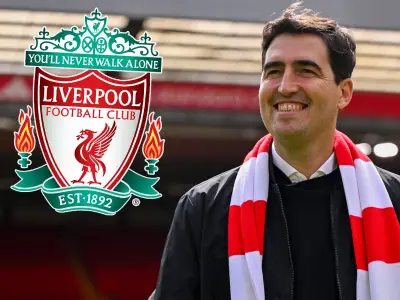
Parliament has become a shadow of its former self, with Prime Minister's Questions (PMQs) on Wednesday descending into a lackluster affair that left observers questioning the state of British democracy. International tourists who packed the public gallery expecting fiery exchanges and memorable one-liners were instead met with a subdued atmosphere, as real power appeared to reside not on the government front bench but with Andy Burnham, who is busy assembling his cabinet and planning his first 100 days as prime minister.
Starmer's Absence and Lammy's Stand-In Role
Sir Keir Starmer was absent from the chamber, attending the NATO summit in what were among his final acts as prime minister. The irony was not lost on onlookers: had he not lost the confidence of his defence secretary, John Healey, he might have clung to power. Healey, who triggered Starmer's downfall by resigning over defence funding, did not take a seat on the Commons benches but instead stood at the chamber door, surveying cabinet ministers who soon will vacate their Whitehall offices.
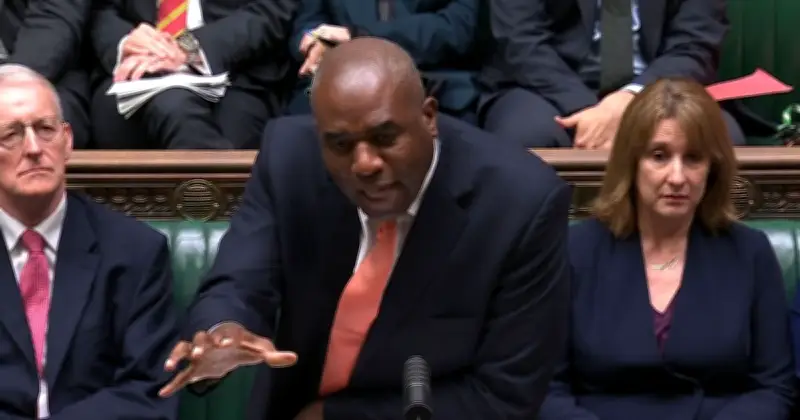
Deputy Prime Minister David Lammy stepped in for Starmer, a role he performed with evident fatigue. Known for his oratory skills, Lammy appeared drained, as if his batteries needed recharging. Kemi Badenoch, the Conservative leader, chose not to face Lammy directly, delegating the task to Sir James Cleverly, her former leadership rival.

Early Prison Release Scheme Under Fire
Lammy managed a quip about how he could be doing this job every week if he were better with numbers, a jab at Cleverly's failure to reach the final two in the Tory leadership race. But the mood remained downbeat. Cleverly seized on the early release scheme, claiming it had led to 50,000 prisoners being freed early in just two years. He demanded Lammy apologise to victims of rapists, sexual predators, and paedophiles.
Lammy was visibly uncomfortable defending the policy. He faced pressure to confirm that no rapist or paedophile would be released early later this year, a pledge he was urged to make but did not clearly offer. Behind him sat Lucy Powell, the deputy Labour leader and a champion of Burnham, signalling the coming change.
Labour's Leadership Election and Burnham's Rise
Labour is marking its second anniversary in power with a leadership election, a stark recognition of how poorly things have gone. Chancellor Rachel Reeves looked grim as the reality set in. The sense of real political action happening outside Westminster was heightened by the absence of Reform UK leader Nigel Farage, who is preparing for a by-election campaign in Clacton. Lib Dem deputy leader Daisy Cooper called for his by-election bid to be blocked while his finances are scrutinised.
Lammy's Final Acts: Hillsborough Legislation and Ruth Ellis Pardon
Lammy sought to use his remaining time in power to make a mark on history. He announced that Hillsborough legislation to support disaster victims and their relatives is imminent. He also revealed that Ruth Ellis, the last woman hanged in Britain, is being granted a posthumous conditional pardon, a move that delighted family members in the gallery.
These announcements reminded the chamber that government can still do bold and important things. But as tourists filed out of Parliament into London's heatwave, they must have shaken their heads at the state of Britain's democracy. No one expects Burnham to unlock a golden age, but the country clearly needs someone to get a grip.