In April, the Supreme Court’s decision in Louisiana v Callais dealt a massive blow to the Voting Rights Act, eliminating a key provision that gave minority voters representation in Congress. Within days, Republican-led states in the South moved to redraw congressional maps to erase majority-Black districts, with some maps already in effect ahead of the midterms.
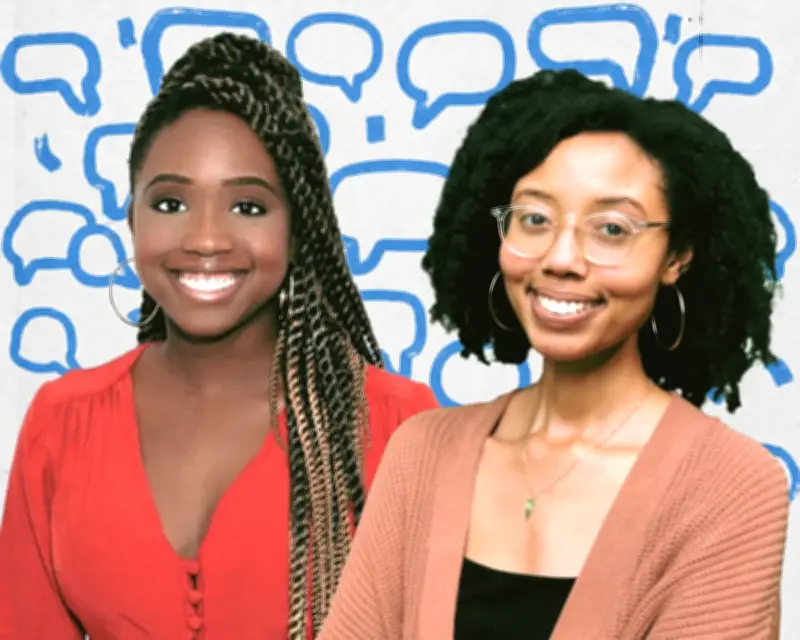
Guardian reporters Fabiola Cineas and Adria Walker have been on the ground talking to Black voters, affected congresspeople, and activists fighting back. They answered your questions about their reporting and experiences. Here’s a rundown of the Q&A.
How will the Supreme Court ruling affect Democrats in the midterms?
Fabiola: There are so many variables. Democrats are currently favored to win the House, but the redistricting war has added uncertainty and narrowed that path. Historically, the party out of power gains seats during midterms, and Trump’s low approval rating can help Democrats. Last year, Trump pressured Republican states to gerrymander maps to hold the House majority. Several states redrew maps after Callais, giving Republicans more districts. Democrats responded by redistricting in California to gain seats. But Democrats were dealt a blow in Virginia when the state supreme court rejected a voter-approved map that would have given Democrats four seats. Maps will continue to change, and Republicans are changing election rules to maintain power.

Is there anywhere in the South that won’t be affected?
Adria: I’m a southerner from Mississippi. Southern politics are southern politics. But I’d highlight the number of people across the region mobilizing. After the Supreme Court decision, I spoke to people in Louisiana and Alabama who had contingency plans. Since then, I’ve talked to people in Mississippi, Texas, Georgia, and Florida who see this as an opportunity for positive change. At a rally in Alabama, I met folks who never considered themselves political but now believe it’s important to get active. It’s important to highlight how people are responding and getting involved.
Will this motivate voters of color to turn out in November?
Adria: Each rally, voter mobilization call, and town hall I’ve attended has been largely organized and attended by Black folks and allies who are explicit about how these decisions impact people of color. This is a galvanizing moment. Right after the decision, organizers affirmed the importance of rallying people to the polls. Some who never voted before felt spurred to action because of how quickly southern states acted. However, it’s only June. I’ll be watching how organizers keep momentum through the summer to ensure turnout.
Is there a generational divide among voting rights activists?
Adria: There’s a divide in some aspects. Many older people I’ve spoken to were participants in the civil rights movement. They were youth organizers then. Younger people express frustration with older activists, and there’s ongoing dialogue to bridge the gap. Mobilizing young people in 2026 looks different. Large rallies, like those in Montgomery and Jackson, include children, college students, and older civil rights veterans. Ultimately, they share the same goal regardless of age.
What can Democrats do to fight back?
Fabiola: The Democratic legislative strategy in the South feels bleak since Democrats don’t control legislatures in Mississippi, Alabama, Tennessee, or Louisiana. Counter-redistricting works in California but not in the South, where VRA districts are erased. Alabama state senator Bobby Singleton focuses on litigation, opposing new maps, grassroots mobilization, and turning out voters. In Alabama, Black people make up nearly 30% of the population but likely won’t control state politics due to racial polarization. Some Democrats are trying to pass state-level voting rights acts and flip state courts. Federally, they advocate for the John Lewis Voting Rights Act.

Why aren’t people in the streets?
Adria: In some ways, they have. We haven’t seen a general strike as massive as the Montgomery bus boycott, but we’ve seen protests across the region. I covered “All Roads Lead to the South” in Montgomery and a protest in Jackson, both attended by thousands. People have also protested in Louisiana, Tennessee, and elsewhere. They’re mobilizing in different ways, with lots of intraregional organizing.
Where can we find hope?
Fabiola: Grassroots efforts are surging. Civil rights orgs have launched rallies and trainings in direct response to Callais, like Black Voters Matter’s “We Got Us” campaign. There’s also a John Lewis “Good Trouble Lives On” weekend of action in mid-July to register voters and strategize. The May 16 day of action showed energy and urgency. State courts are becoming new battlegrounds for redistricting fights, which shows the system working. State courts and constitutions can counterbalance the Supreme Court when it does something unpopular or unconstitutional.