The 2026 World Cup: A Tournament Built on Exploitation
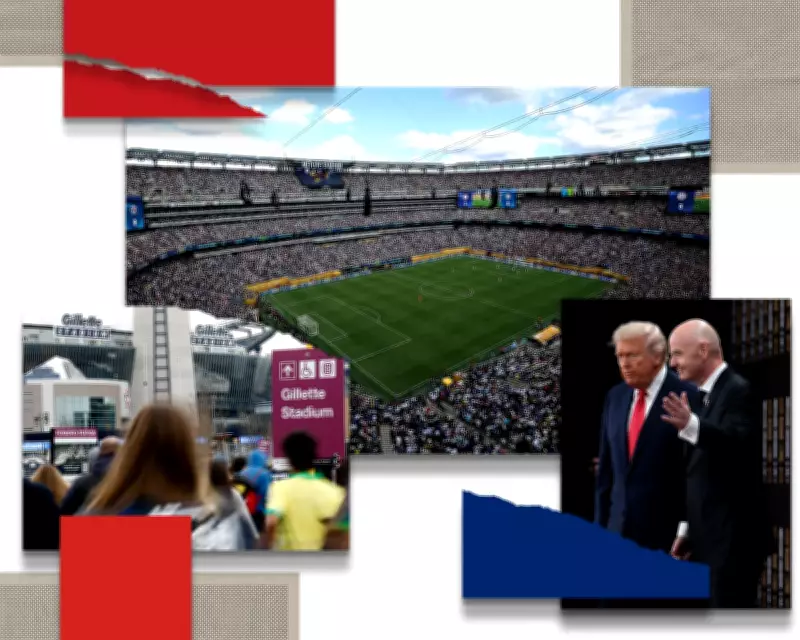
As the 2026 FIFA World Cup approaches, hosted across the United States, Canada, and Mexico, a stark reality is emerging for football fans. The tournament, set to feature key venues like Gillette Stadium and MetLife Stadium, along with high-profile figures such as Donald Trump and Gianni Infantino, is shaping up to be an unprecedented exercise in corporate greed. At the heart of this issue is a simple bus ride—a $95 journey from south Boston to Foxborough—that symbolizes the broader contempt FIFA holds for the paying public.
The $95 Bus Trip: A Symbol of FIFA's Avarice
Journalists and fans alike were taken aback by the announcement of a $95 bus trip for a half-hour journey to World Cup matches in Foxborough. This isn't a luxury service with amenities like at-seat massages or gourmet dining; it's a standard bus ride that drops passengers a 15-minute walk from the stadium. The rationale? Organizers can charge exorbitant fees because they have a captive audience. With parking spaces priced at £129 to £199 and taxis even costlier, fans have few alternatives. This bus fare is just one example of what's being dubbed the "FIFA premium"—a model where every aspect of the fan experience is monetized to the extreme.
Ticket Prices and the Financial Model of Disdain
Beyond transportation, ticket prices for the 2026 World Cup are reaching astronomical levels. For instance, England vs. Croatia tickets are priced at £516, while the final in East Rutherford could cost up to £8,333, potentially making it the most expensive football match ever. FIFA's dynamic pricing system, which lacks transparency, drives these costs. More insidiously, FIFA siphons off nearly all revenue—from tickets and broadcasting to merchandising and even parking—while host cities bear infrastructure costs like security and fan parks. This setup forces local governments to recoup expenses through measures like the $100 train shuttle from Penn Station to MetLife Stadium in New Jersey.

The Broader Implications: A World Cup That Hates Its Fans
This tournament is unique in modern times for its overt disdain towards spectators. Travel bans for countries like Côte d'Ivoire and Iran, hostile entry processes, and the threat of Immigration and Customs Enforcement raids add to a joyless experience. Unlike past World Cups that aimed to persuade through sportswashing, the 2026 edition seems to embrace its capitalist excesses as a badge of honour. Gianni Infantino's comments at the World Economic Forum, praising secondary ticket markets where FIFA takes a 15% cut, underscore this mindset. Fans are left wondering if boycotts or lobbying efforts, such as those directed at the Football Association, can effect change, but the power dynamics seem stacked against them.
Legacy and Lessons: Exposing Power Imbalances
The 2026 World Cup may leave a lasting legacy by exposing how powerful entities like FIFA view ordinary fans. For years, supporters believed that football's growth under capitalism could retain its essence, but this tournament shatters that illusion. With 48 teams, an extended schedule, and exhausted players, fans are squeezed for every penny—forced onto £70 buses, through long queues, and invasive customs checks. In a twisted way, FIFA's shamelessness offers clarity: they are dropping the facade and revealing their true priorities. As the world watches, this event could spark broader conversations about fairness in global sports.