Medical Examiner Rules US Chess Star's Death as Accidental
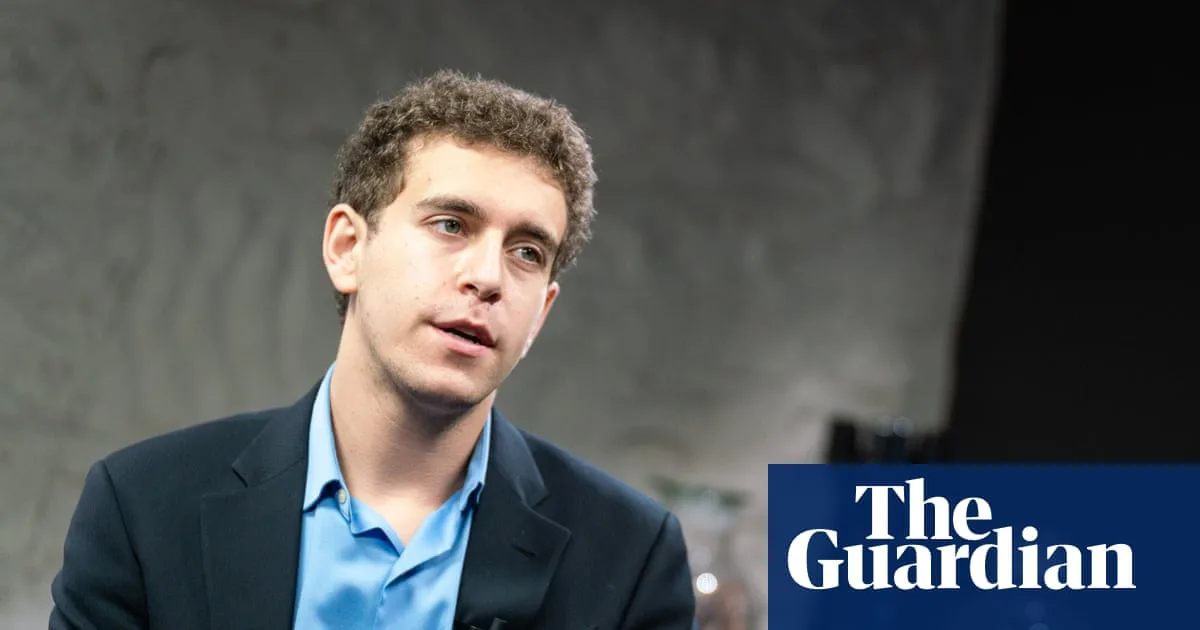
American chess grandmaster Daniel Naroditsky died last year following a sudden heart rhythm disturbance, with an underlying cardiac condition identified as the primary cause, according to an official report released by North Carolina medical authorities. The 29-year-old was discovered deceased at his Charlotte townhome in October 2025, with initial police investigations considering possible overdose or suicide before the medical findings were established.
Cardiac Condition and Toxicology Findings
The medical examiner's investigation, conducted by Dr James R Lozano and obtained by the Guardian, concludes that Naroditsky died from a probable cardiac arrhythmia caused by undiagnosed systemic sarcoidosis. This inflammatory disease most commonly affects the lungs but can also involve the heart, with cardiac sarcoidosis known to disrupt the heart's electrical system and cause sudden death, sometimes without prior diagnosis or warning symptoms.
Toxicology testing detected methamphetamine and amphetamine in Naroditsky's blood, with the amphetamine present as a metabolite of methamphetamine rather than evidence of separate ingestion. Compounds associated with kratom, a plant-based supplement increasingly used for stimulant or pain-relieving effects, were also identified. The report states that the levels detected were not considered toxic or lethal on their own, with methamphetamine and kratom use listed as contributing conditions rather than fatal factors.
Postmortem radiographic imaging revealed extensive granulomatous lung disease, findings described as "highly suggestive" of sarcoidosis. The medical examiner noted that sudden unexpected death represents the presenting manifestation in a significant proportion of cardiac sarcoidosis cases. No autopsy was performed, but investigators said the totality of radiographic, toxicological and circumstantial evidence supported their conclusion.

Circumstances Surrounding the Death
Naroditsky was discovered unresponsive on his living room couch by close friends Oleksandr Bortnyk, a fellow grandmaster, and Peter Giannatos, founder of the Charlotte Chess Center where Naroditsky served as head coach and grandmaster-in-residence. Friends went to check on him after he stopped responding to calls and messages.
In the days preceding his death, Naroditsky had been under intense public scrutiny following cheating allegations made by former world champion Vladimir Kramnik, claims that Naroditsky consistently denied. The medical examiner's report notes that investigators considered stress related to those allegations while evaluating the possibility of overdose or suicide, but ultimately found no evidence to support either scenario.
The report explicitly states there was:
- No evidence of intentional or unintentional overdose
- No signs of traumatic injury
- No indication of foul play
Investigators concluded that Naroditsky appeared to have died suddenly, without signs of acute distress, and the manner of death was officially ruled an accident.
Aftermath and Chess Community Response
In a statement issued this week, Vladimir Kramnik expressed condolences to Naroditsky's family and rejected claims that his conduct contributed to the grandmaster's death. He revealed that following Naroditsky's passing, he and his family were subjected to harassment and death threats, prompting him to consider legal action.
"I deeply regret that this profound tragedy was exploited by various individuals and groups to advance their own agendas," Kramnik said. "There can be no justification for such immoral conduct."
The International Chess Federation (Fide) has confirmed it is reviewing whether Kramnik should face disciplinary action for public statements made about Naroditsky before and after his death. Potential sanctions include fines or suspension, though Fide did not immediately respond to requests for comment following the release of the medical examiner's report.
Legacy of a Chess Prodigy
Naroditsky's death marked a devastating loss for American chess and the global chess community. A prodigy who learned the game as a child in California, he became a grandmaster at 18 and later graduated from Stanford University with a degree in history. Known affectionately to fans as "Danya", he rose to prominence not only for his elite competitive play but for his exceptional ability to explain the game with clarity, patience and warmth.
He emerged as one of the most influential figures during chess's pandemic-era boom, amassing more than 800,000 followers across YouTube and Twitch through instructional videos and live commentary. Despite his educational focus, he remained an elite competitor, winning the US Blitz Championship only months before his untimely death.

Tributes poured in from across the chess world following his passing, with world champion Magnus Carlsen calling him "a resource to the chess community" and fellow American grandmaster Hikaru Nakamura describing him as "the best of us". Fide later announced plans to establish a memorial award in Naroditsky's name, ensuring his legacy continues to inspire future generations of chess players.
Review of North Carolina prescription records showed no prescriptions for amphetamines or methamphetamine issued to Naroditsky, adding another layer to the complex circumstances surrounding his accidental death. The medical examiner's findings provide closure to the investigation while highlighting the tragic intersection of undiagnosed medical conditions and the pressures of elite competitive sports.