The Albanese government has denied it was 'fiscally dacked' by the Reserve Bank of Australia after the central bank announced another cash rate hike and criticised Labor's spending. At its meeting on Tuesday, the RBA board, chaired by Michelle Bullock, increased the cash rate by 0.25 percentage points to 4.35 per cent, delivering a blow to Australian mortgage holders. The decision was driven by persistent inflation, which Treasurer Jim Chalmers had earlier claimed the government had tamed.
RBA Governor's Criticism
During a 45-minute press conference, Bullock sharply criticised the Albanese government's vote-buying efforts. 'The extent to which the government makes up budget shortfalls for households by giving them more money makes it harder to dampen demand,' she said. The comments came just hours after reports emerged that the government was considering a one-off tax break in the upcoming Federal Budget. According to The Australian, workers who pay tax could see an income offset between $200 and $300 for earned income rather than investments.
Chalmers Responds to 'Fiscally Dacked' Claim
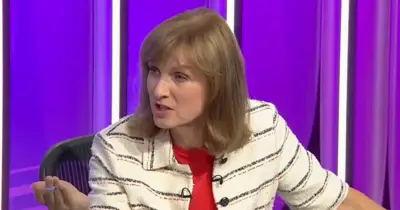
In a tense exchange on Wednesday morning, Today show host Karl Stefanovic asked Chalmers: 'How does it feel to get fiscally dacked by the Reserve Bank Governor?' The Treasurer pushed back, insisting Bullock's comment was a response to a hypothetical question. 'Obviously, I don't see it that way. Karl, this will be a really responsible budget, because we take this inflation challenge in our economy seriously, because we know that people are under pressure,' Chalmers said. 'The Governor was asked a hypothetical question about some budget speculation that there'd be a heap more stimulus in the budget. There won't be a heap more stimulus in the budget. In fact, the budget will wind back spending overall. There won't be a heap of new stimulus in the budget.'
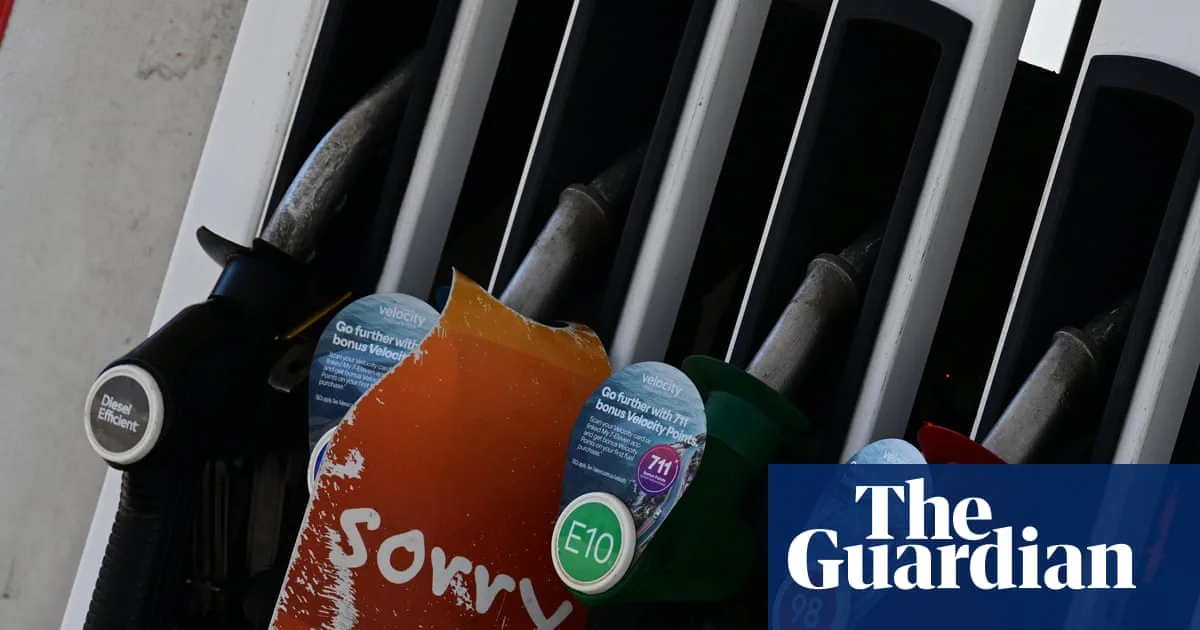
Stefanovic pressed further, stating that Chalmers 'can't solve, obviously, the issue of government spending by spending more'. The Treasurer replied that the government had 'found a bunch of savings' to trim the budget, making room for priorities like urgent care clinics, Medicare funding, and the fuel tax cut. 'But overall, we'll be winding back spending,' he added.
Inflation and Global Factors
On Tuesday, Chalmers also claimed that a significant factor in Australia's higher cost of living is the conflict in the Middle East. Bullock acknowledged that Australians have been left poorer due to surging oil prices after US military strikes on Iran and the effective closure of the Strait of Hormuz. However, she noted that even before the conflict, demand in Australia was outstripping supply, which raised prices. 'The ability of the economy to supply the goods and services that were being demanded in total, including by government and by the private sector, was outstripping the ability of the economy to supply it. That's why inflation was rising,' she said.
Rate Hike Decision
While previous RBA rate hikes were significantly split, Tuesday's decision saw a clear majority, with eight of the nine board members voting to raise the rate. The remaining member voted to hold rates. For an owner-occupier with a $600,000 mortgage and 25 years remaining at the start of this year's hikes, the latest 0.25 per cent increase adds $91 to their minimum monthly repayments. The total increase across the three hikes since February would be $272 per month. The increase will lift the average owner-occupier variable rate to 6.26 per cent, pushing it above the 6.25 per cent mark for the first time since January 2025.