Augusta National's Exclusive Defences Against Ticket Resellers and Influential Figures
At the prestigious Augusta National Golf Club, home of the Masters tournament, money and influence often fall short against a fortress of tradition and stringent regulations. This iconic venue has successfully outmanoeuvred ticket resellers and maintained its closed doors to powerful individuals, including former President Donald Trump and associates of the late financier Jeffrey Epstein.
The Epstein-Bannon Exchange and Augusta's Impenetrable Gates
In July 2019, Jeffrey Epstein messaged Steve Bannon seeking assistance to secure membership for Brad Karp, then-chair of the law firm Paul, Weiss, Rifkind, Wharton & Garrison. Their conversation, laced with offensive remarks, revealed frustration over Augusta's resistance to outsiders. Bannon speculated that the club is controlled by "7 Atlanta and Augusta families" with biases against lawyers and bankers, highlighting the institution's insular nature.
Despite Epstein's vast network, Augusta National remained beyond his reach, underscoring a key lesson: wealth alone cannot breach its gates. This exclusivity extends to Trump, who, unlike at many U.S. sports events, has not made an appearance at the Masters, further emphasising the club's autonomy.

Ticket Access: A Maze of Rules and Crackdowns
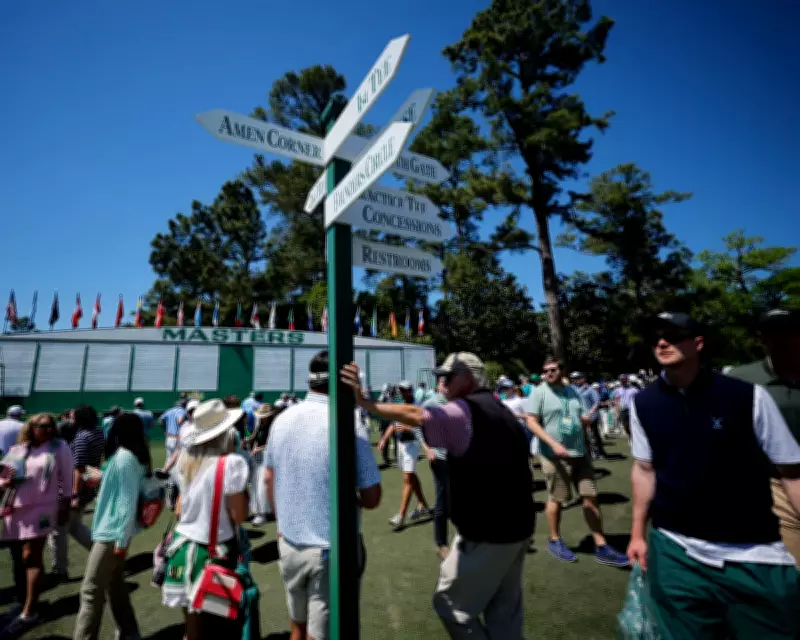
Admission to the Masters is governed by unique protocols. Most tickets are held by lifetime patrons from local communities, with badges inherited through generations. An annual lottery offers another route, but odds are slim, comparable to Tiger Woods' chances of winning a sixth Green Jacket.
Historically, unofficial resale thrived, with touts operating near the interstate, exploiting a loophole where buyers claimed tickets as gifts. However, as resale became a lucrative industry, with prices soaring up to 50 times face value online, Augusta National intervened decisively.
The 2023 Masters: A Turning Point in Enforcement
Last year's tournament saw a dramatic crackdown. Hundreds of patrons with resold tickets were detained or denied entry at the gates, described by a hospitality executive as a "bloodbath." Reports indicate up to 200 ticket holders were turned away, subjected to interrogations about their acquisition methods and accommodations.
Rumours abound regarding Augusta's tactics. Speculation includes the use of radio-frequency identification chips in tickets to trace resale patterns, barcodes containing buyer addresses, and undercover agents questioning patrons on the grounds. Another theory suggests the club purchases resale tickets to identify and ban sellers permanently.
Impact on Resale Platforms and Future Implications
The crackdown has reshaped the secondary market. StubHub now imposes stringent contracts for Masters tickets, holding sellers liable if buyers are refused entry. SeatGeek has ceased offering tournament tickets this year. These changes signal Augusta's success in curbing profiteering while preserving the event's integrity.
For fans, this means heightened barriers to entry, but it also reflects a broader stand against commercialisation. Augusta National's approach serves as a model for maintaining tradition in an era of rampant ticket scalping, ensuring the Masters remains a bastion of exclusivity and control.