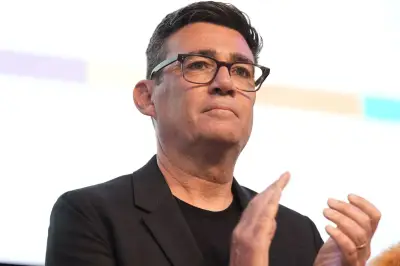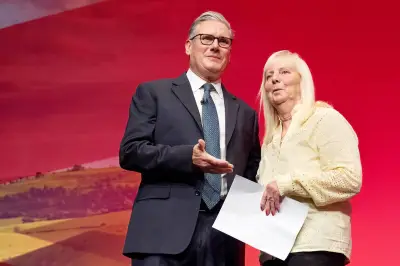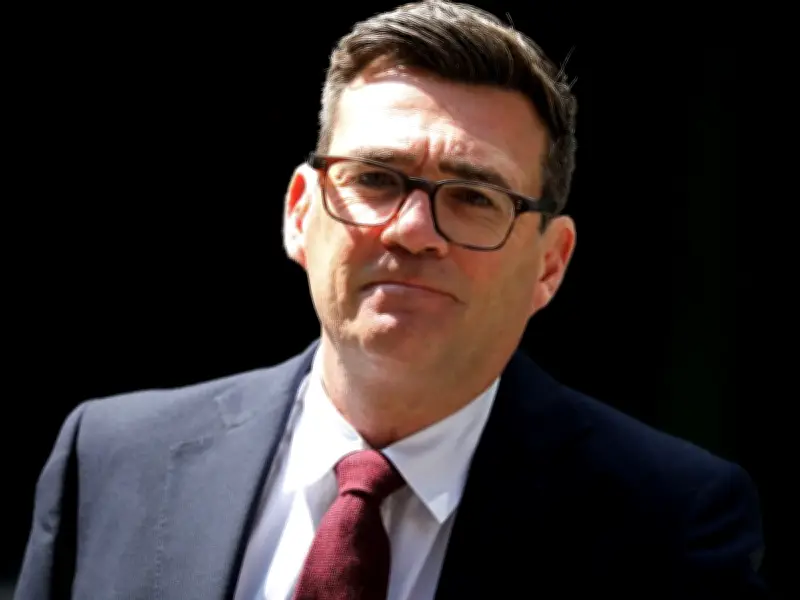
Andy Burnham, the former mayor of Greater Manchester and MP for Makerfield, is set to become the next Prime Minister of the United Kingdom on Monday, July 20, after securing overwhelming backing from Labour MPs to succeed Sir Keir Starmer.
Path to Power and Devolution Plans
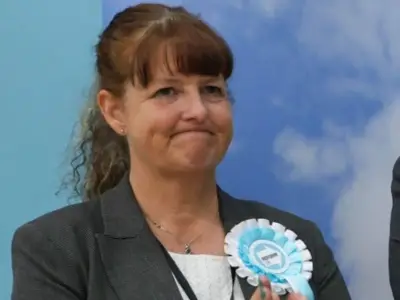
Burnham returned to Parliament last month by winning the hotly-contested Makerfield seat. He launched his leadership bid shortly after Starmer announced his resignation on June 22, facing virtually no challenges. A mayoral election for Greater Manchester is set for July 30, with Manchester council leader Bev Craig hoping to succeed Burnham for Labour.
Burnham has unveiled plans for a 'Number 10 in the North' based in Manchester, aiming to move decision-making away from Downing Street. He expects to work from this hub at least one day a week and encourages ministers to spend less time in Westminster. The initiative focuses on reindustrialisation and redistributing power across the UK.

Immigration and Asylum Stance
Burnham has said the government needs to 'go further' in stopping illegal migration, noting small boat crossings are 'down 40 percent year-on-year' and returns have increased. He suggested making greater use of detention centres and argued that 'all areas of the country' should house asylum seekers. Burnham voted in favour of Home Secretary Shabana Mahmood's asylum reforms, which tighten rules on Article 8 of the European Convention on Human Rights. His views on doubling the time to gain indefinite leave to remain remain unclear.
Pensions, Benefits, and Tax
Burnham committed to keeping the state pension triple lock, which increases benefits by at least 2.5 percent, wage growth, or inflation. He told The Times he would not be 'squeamish' about reducing the welfare bill but ruled out 'crude' short-term cuts. On tax, he said he will 'stick by' Labour's 2024 manifesto not to increase taxes on working people, but suggested 'some room for movement' including higher business rates on warehouses and cutting rates for pubs. He declined to rule out a wealth tax, stating Britain needs a 'greater sense of fairness.'
Social Care and Housing
Burnham supports a universal social care system, proposing a 'care levy' to replace inheritance tax. He aims to bring forward the Casey review from 2028 to the end of this year. On housing, he pledged the 'biggest council house building programme since the post-war period,' noting that Britain has lost almost 1.5 million council homes since the 1980s. He has supported scrapping stamp duty for a land value tax and hinted at changes to council tax, including a 'mansion tax' for expensive homes.
Education and Foreign Policy
Burnham plans to end the dominance of university routes, focusing on technical qualifications and apprenticeships. He has voiced support for replacing tuition fees with a graduate tax. On foreign policy, he apologised for Labour's initial response to Gaza and backed sanctions against Israeli figures. He affirmed continued support for Ukraine and aims for closer EU ties on migration. Regarding US President Donald Trump, who called Burnham 'extremely liberal,' Burnham said he would 'meet him where he's at' and deal with him upfront.