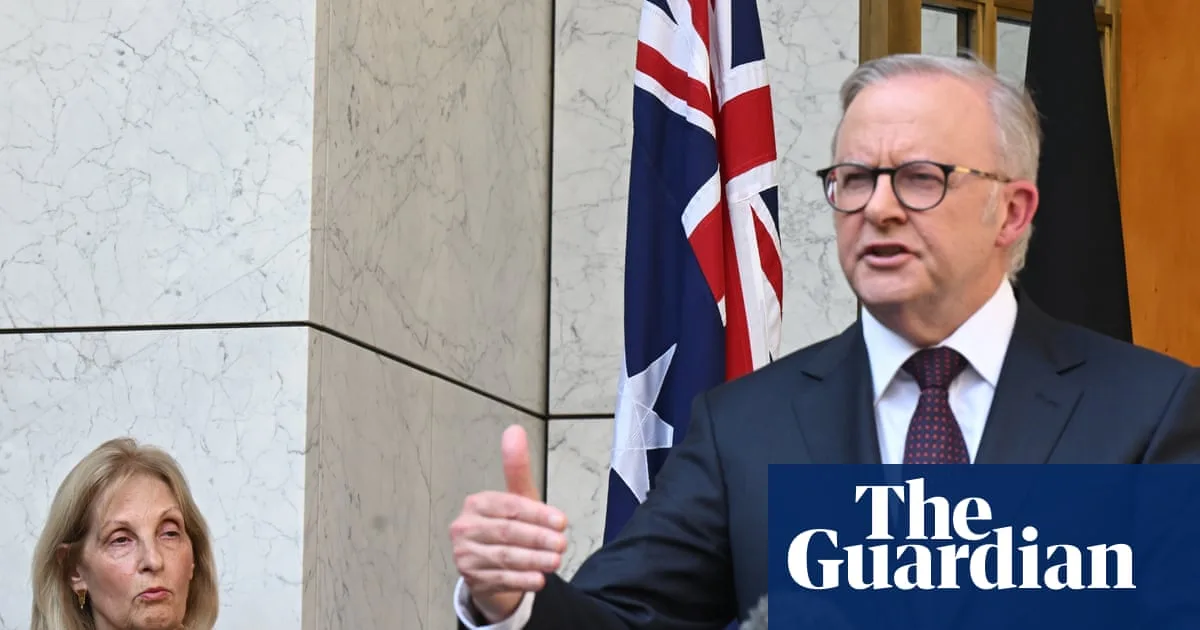
Prime Minister Anthony Albanese has confirmed a federal royal commission into antisemitism and social cohesion, reversing his earlier opposition to a broad national inquiry following the Bondi terror attack. The commission will examine four key areas: the prevalence of antisemitism, law enforcement responses, the circumstances of the Bondi attack, and strengthening social cohesion.
Albanese defended his decision not to call the inquiry sooner, stating he had listened to widespread calls and reflected on meetings with Jewish community leaders and victims' families. The commission, to be led by former High Court justice Virginia Bell, will report by 14 December 2026. An interim report is due in April.
The federal Coalition criticised the move, with Liberal leader Sussan Ley arguing more commissioners should have been appointed. NSW Premier Chris Minns confirmed the state's previously announced royal commission would be replaced by cooperation with the federal inquiry.

The Bondi attack, allegedly carried out by Naveed Akram and his father, inspired by Islamic State, killed 15 people. Akram had been investigated by ASIO in 2019 for suspected links to an Islamic State cell. The commission will also incorporate a review by former ASIO chief Dennis Richardson.