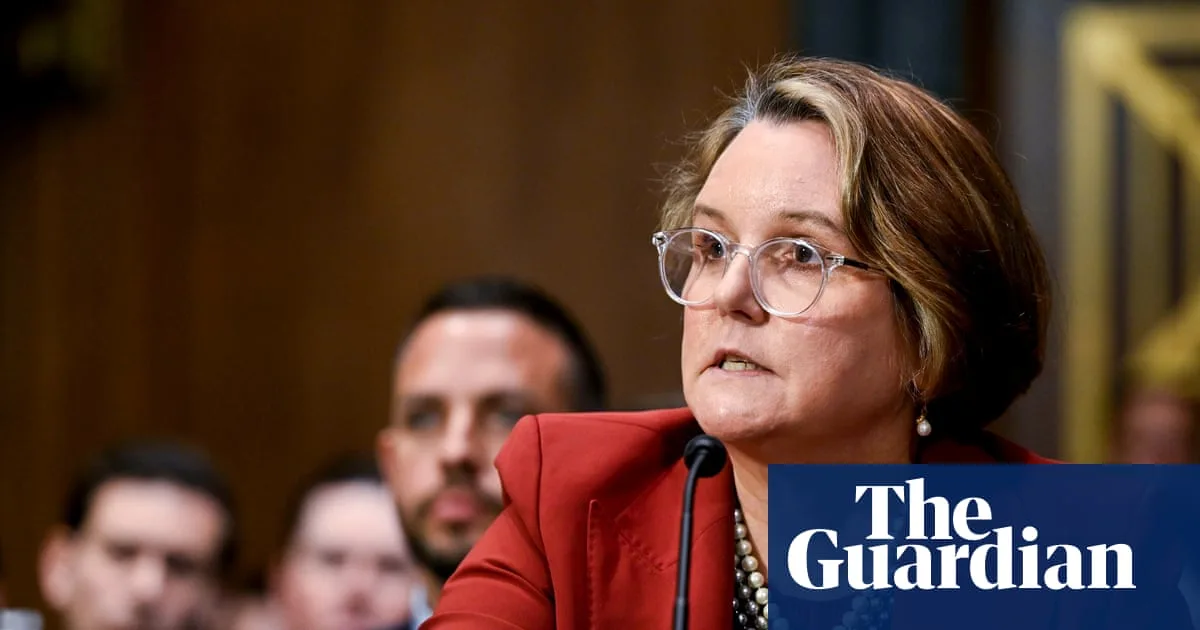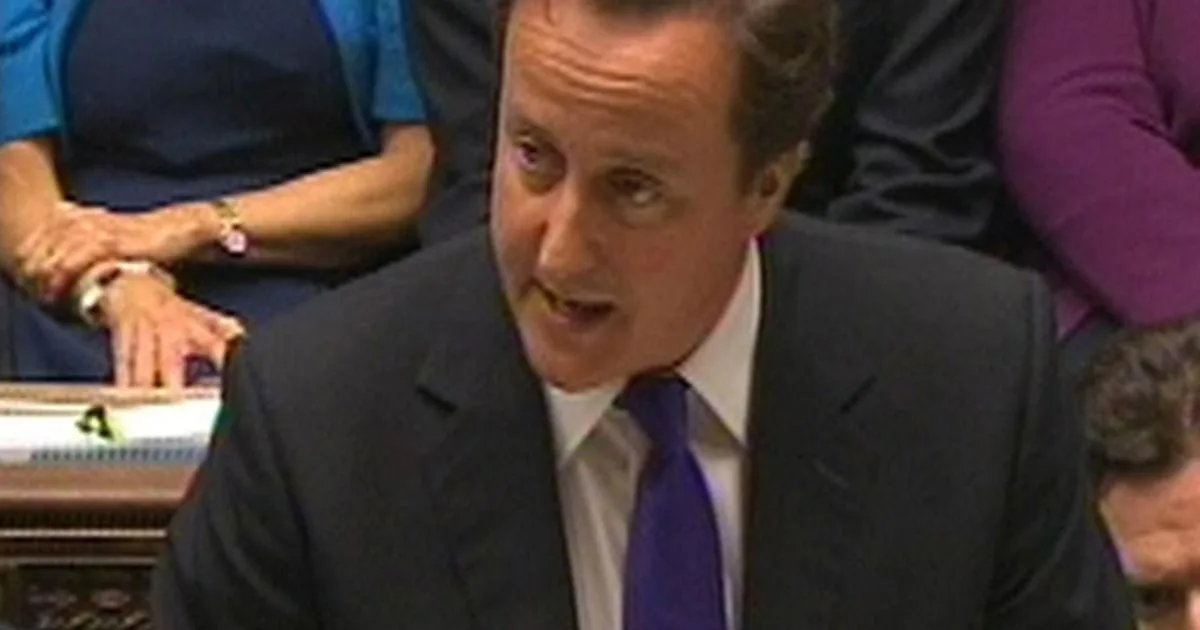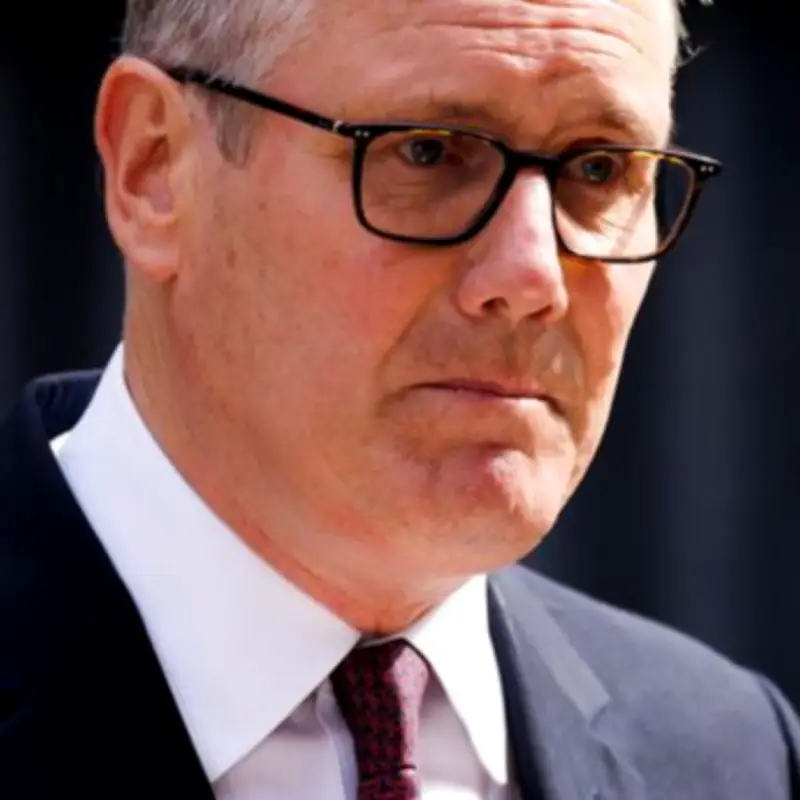
An emotional Sir Keir Starmer fought back tears today as he announced his resignation as Prime Minister during a dramatic address outside 10 Downing Street. The speech ended a turbulent premiership that began with high hopes less than two years ago. Starmer, known for his usually robotic composure, appeared visibly shaken, his voice cracking before the world's media—a stark contrast to the triumphant leader who swept into office after the July 2024 Labour landslide.
Images captured the immense toll of recent months, showing a defeated prime minister blinking back tears behind the lectern. The massive parliamentary majority that once made him seem unstoppable crumbled under disastrous poll numbers and ruthless plotting from mutinous Labour MPs. Newly elected 'King of the North' Andy Burnham is already installed as the 1-50 bookies' favourite to replace him.
Starmer's Emotional Farewell
Starmer's raw emotion was laid bare as he admitted defeat. He recalled the proudest moment of his life: walking up Downing Street two years ago after leading Labour to its first victory in 14 years. 'A page in our country's history turned after years of disappointment and despair,' he said. 'The chance to change the lives of millions of people for the better.'

He reflected on the difficult journey to power, inheriting a Labour Party that was 'politically, financially, and morally bankrupt' six years ago. 'I was told time and time again that my party was finished, that we were consigned to history,' Starmer said. 'But we proved those people wrong because we changed our party, ripping out the poison of antisemitism, restoring trust on the economy, defence, and national security.'
Achievements and Legacy
Starmer highlighted his government's achievements in just two years: a stronger economy growing faster than peers, wages rising faster than inflation every month, and the fastest fall in NHS waiting lists in 17 years. He also cited an end to austerity, the biggest improvement in workers' and renters' rights in a generation, a major uplift in defence spending since the Cold War, falling small boat crossings, closing asylum hotels, protecting young people from social media, and lifting half a million children out of poverty.
Britain's global reputation was restored, he said, with the country standing up for decency, respect, and the rule of law, securing trade deals, standing with Ukraine, and rebuilding relationships with European allies.
Accepting the Inevitable
'But I know the question being asked now is not who was best placed to change the Labour Party, to take us into power, and to begin the vital work of improving lives,' Starmer said. 'The question my party is asking now is whether I am best placed to lead us into the next General Election. I have heard the answer of my parliamentary party to that question, and I accept that answer with good grace.'
He announced his resignation as Labour leader and said he had spoken to King Charles III to inform him of his decision. Starmer will ask the National Executive Committee to set a timetable for nominations opening on 9 July, with a new leader in place before Parliament returns in September. He will remain Prime Minister until the contest is complete, promising an orderly handover and his 'full and unequivocal support' to his successor.
Personal Tributes
Starmer thanked friends, colleagues, Number 10 staff, and the civil service. He praised his wife, Lady Victoria Starmer, as 'a rock by my side through good times and bad,' and his children as 'my pride and my joy.' He concluded, 'When I leave the biggest job in the country, I shall spend more time on the most important job: being the best husband I can and the best dad I can.'
Andy Burnham, the Mayor of Greater Manchester, won the Makerfield by-election earlier this month and is widely expected to launch a leadership bid. Bookmakers have installed him as the overwhelming favourite at 1-50, with no other candidate seen as a serious contender.