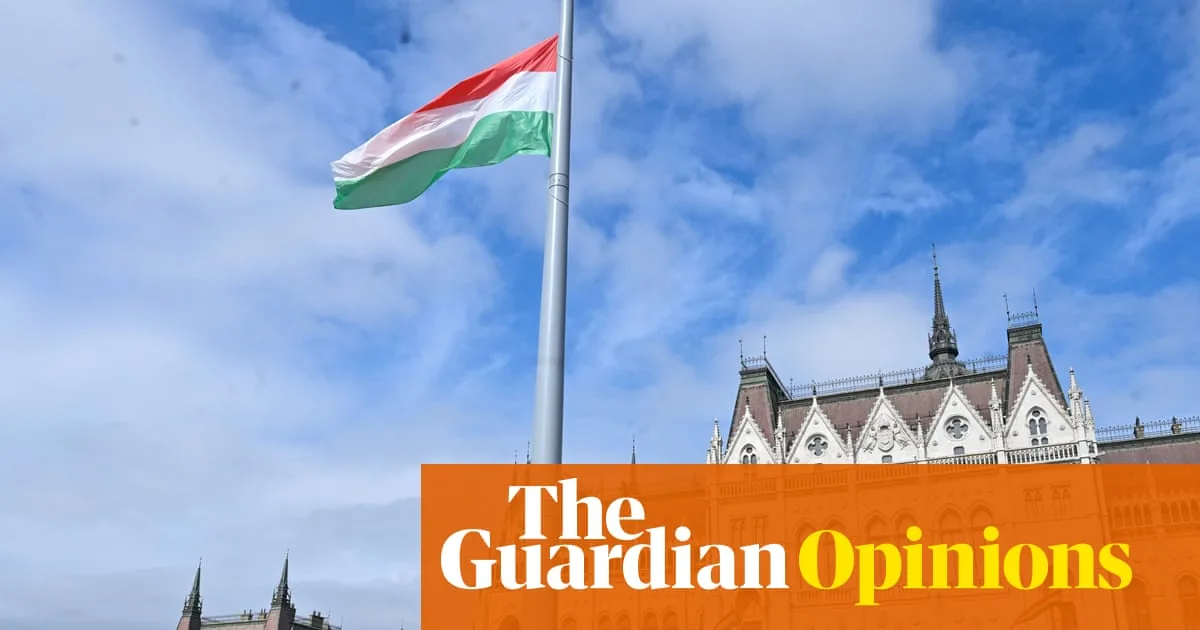
For 16 years, Viktor Orbán's government poured millions of euros of public money into thinktanks, institutions and media outlets sympathetic to its illiberal views, not only in Hungary but beyond its borders. In Slovakia, for instance, where a sizeable Hungarian minority lives, Budapest is alleged to have sent millions of euros to favoured media organisations. Many independent newsrooms survived on only a fraction of what these outlets received.
These government-fattened channels were never truly called “media” by Hungarian colleagues, nor their content producers “journalists”. Critics of Orbán’s regime were turned into terrorists, sexual predators, paedophiles, thieves, tax fraudsters, domestic abusers. One headline even claimed that billionaire philanthropist George Soros would kill his own mother. Sometimes all it took was a manipulated photograph, a sentence from a bought source; at other times merely an instruction from the appropriate ministry.
The fact that Orbán lost power on 12 April shows that even propaganda empires built over decades are not omnipotent. They do not always deliver victory to the autocrats who nourish them. And when those rulers fall, the empires often collapse with them, cut off from the public money that kept them alive.
The journalism that will endure, by contrast, is often not about politics or ideology. It is about people uprooted and cast into uncertainty by upheaval and social turbulence. Despite the damage done to public trust by populists and the worst of social media over the past two decades, there are a lot of courageous people who pursue this kind of fearless reporting in every corner of Europe. The European Press Prize announced its 2026 winners on 3 June, and the shortlist lays to rest fears that independent public service journalism is extinct or on the way out.