Former and current Labour whips have pushed back against Andy Burnham's assertion that the whips' office is about intimidation, arguing instead that their role is to build consensus. The debate comes as Burnham, the favourite to succeed Keir Starmer as Labour leader, has promised a more tolerant approach to party discipline.
Iraq war example of consensus building
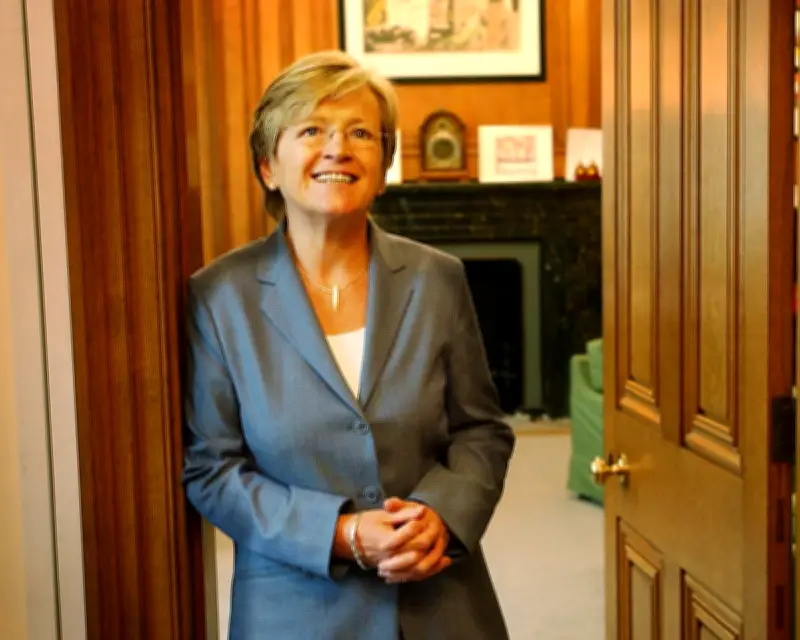
Hilary Armstrong, who served as Labour chief whip under Tony Blair during the Iraq War, recalled how the whips handled dissent over the invasion. 'We made sure that people were able to express their conscience but that we would get enough support for the government to get our legislation through,' she said. 'We tried to make sure that amendments accommodated what people were concerned about.' Armstrong contrasted Blair's approach of avoiding suspensions with Starmer's stricter regime.
Burnham's vision for a different culture
In a letter to Labour MPs before the leadership nominations opened, Burnham wrote: 'I want to create a different culture where MPs are happy and fulfilled doing their jobs, where everyone has a part to play and where opinions and approaches are respected, even where there’s difference. The whips’ office should be our HR department, not something to be feared or where discipline is used to stifle debate.'

Current whip denies heavy-handed approach
A current Labour whip disagreed with the perception that Starmer's whips used an iron fist. They said the whips' office 'had taken a more relaxed approach to party discipline, but problems arose because No 10 staff were not listening to the whips who had shared concerns they’d heard from their group of MPs.' They added: 'The whips’ office has not been heavy-handed; if anything we’ve intentionally tried not to be.'
Conservative chief whip weighs in
Simon Hart, a former Conservative chief whip who wrote a book on whipping, argued that Burnham's commitment to 'gentle whipping' exposes 'a huge misunderstanding of what whips actually do.' He said: 'The notion that [whips] are all about blackmail, force and veiled threats is – sadly! – not how it is in the real world. Where there are red lines there is good reason for them. Collective endeavour is important; delivering the manifesto is crucial in terms of public trust. If hard-working loyal MPs see their colleagues taking the mickey without any real sanction, Burnham’s dream of one big happy family working together won’t last long.'
Mixed reactions from Labour figures
A former Labour whip was optimistic after reading Burnham's letter, saying 'Saying this is the start of doing it. I believe it’s possible. It just needs to be made known that certain practices aren’t tolerated, for example, [not] talking to colleagues with respect.' However, a Labour veteran linked to the government whips' office expressed doubt: 'It did feel like we’ve approached the 25th anniversary of The Office series and Burnham’s already playing David Brent, trying to get his best boss mug early on. We of course need to be good cops, and sometimes bad cops. I’m just not sure if this is magical thinking or wishful thinking.' Another government figure warned against a return to bitter internal Labour infighting that could pit minorities against one another.