Billionaire Tax Plan Splits California Democrats and Tech Elite
California Billionaire Tax Plan Sparks Political Firestorm

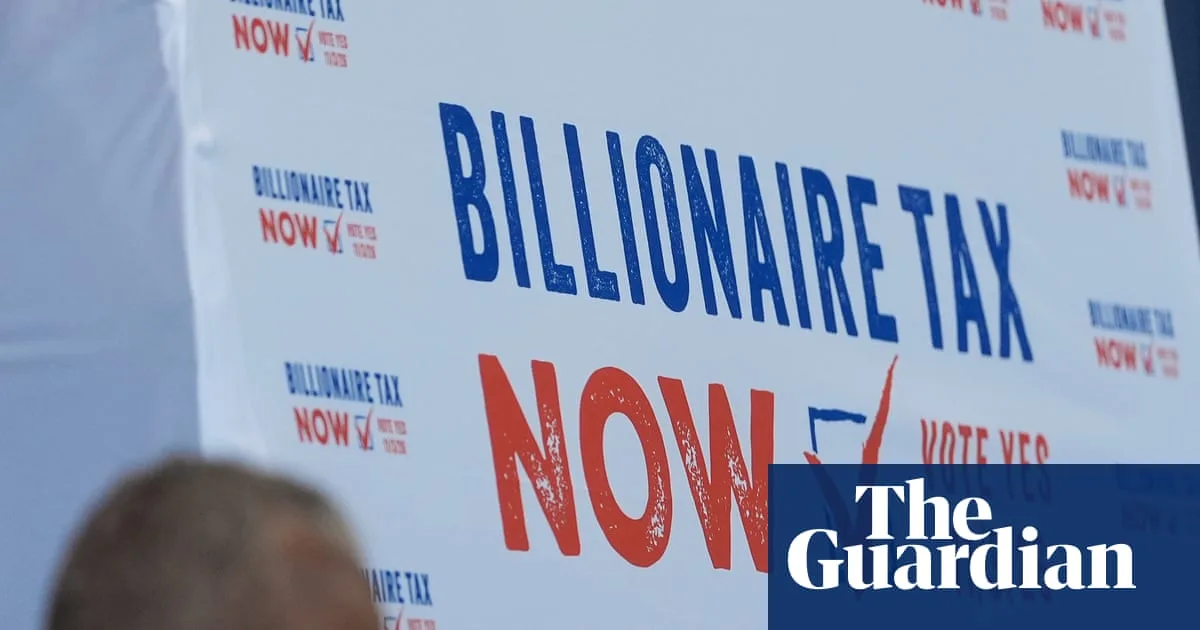
A proposed tax on California billionaires has ignited a political firestorm, splitting the Democratic Party and galvanising the state's Big Tech executives in opposition. The initiative, which has gathered over 1.5 million signatures—nearly double the required 875,000—has not yet formally qualified for the ballot, but its mere threat has already sparked backroom arguments, secret group chat strategy sessions, sudden interstate moves, a pro-billionaire march through San Francisco, and apocalyptic warnings from tech leaders.

The California Billionaire Tax Act

The California Billionaire Tax Act, if it qualifies for the 2026 ballot, would ask voters to approve a one-time, five percent tax on residents worth more than $1.1 billion. An estimated 200 billionaires reside in the state. The funds raised would primarily support healthcare. The SEIU-UHW healthcare union, leading the campaign, describes the tax as a vital measure to offset roughly $100 billion in health and social spending cuts expected from the Trump administration's One Big Beautiful Bill, passed in 2025.

Kris Cuaresma-Primm, head of partnerships for the pro-tax coalition, compared the funding hit to a Covid-level crisis, potentially costing 200,000 jobs and putting over 80 hospitals at risk of closure or service cuts. "When you rip $100 billion out of a state's healthcare system, key parts of it will collapse," he told The Independent.

Wide Pickt banner — collaborative shopping lists app for Telegram, phone mockup with grocery list

Fairness and Billionaire Wealth

Supporters argue the tax is a matter of fairness. Billionaires often have lower effective tax rates than average Americans, and many tech executives hold fortunes in stocks, which are not taxed until sold. Professor Brian Galle of UC Berkeley law school noted that billionaire wealth in California has increased by over 150 percent since 2023, and many have benefited from Trump's tax cuts. "They could pay the five percent wealth tax and still be richer than they were in January," he said.

The White House pushed back, with spokesman Kush Desai stating that "everyday Californians already shoulder one of the worst state tax burdens" due to Democratic mismanagement, and that the Trump administration's policies are helping families.

Tech Industry Backlash

Tech leaders view the tax as an existential threat. Garry Tan, head of Y Combinator, warned of "looting Silicon Valley," while David Sacks compared it to creeping socialism. Critics highlight that the tax would apply to unsold assets like stocks and could factor in high-voting shares that founders hold. Reddit co-founder Alexis Ohanian warned that taxing unrealised gains makes Democrats look "financially illiterate."

Proponents counter that billionaires can access capital through borrowing against assets and that the tax rate is a flat five percent. They argue that stock valuations fluctuate but billionaires have multiple methods to calculate their bill.

Political and Economic Fallout

The tax has prompted some billionaires, like Google co-founder Sergey Brin and investor Peter Thiel, to leave California. A group of 20 billionaires told Pirate Wires they are developing "exit plans" if the tax passes. Meanwhile, tech executives have poured millions into Building a Better California, a coalition backing alternative proposals, and supporting gubernatorial candidate Matt Mahan, who opposes the tax.

Silicon Valley congressman Ro Khanna, who supports the tax, faces a primary challenge backed by Y Combinator's Garry Tan and DoorDash co-founder Stanley Tang. Khanna defended his stance, arguing that extreme wealth concentration undermines the American dream.

Offline Activism

In February, AI start-up co-founder Derik Kauffman organised a "March for Billionaires" through San Francisco. Kauffman, not a billionaire himself, argued the tax could drive away wealth creators and reduce incentives for entrepreneurship. "The real enemy is poverty," he said, adding that most billionaires create wealth that funds the welfare state.

The tax has become a litmus test for candidates. In the race for Nancy Pelosi's district, candidates are mostly neutral or supportive. Gubernatorial candidates are largely neutral or opposed, with billionaire Tom Steyer being a rare supporter. Gavin Newsom, a likely 2028 presidential hopeful, opposes the tax, as does San Francisco Mayor Daniel Lurie.

Pickt after-article banner — collaborative shopping lists app with family illustration

National Implications

Sam Lauter, a longtime Bay Area lobbyist, said the fight previews national dynamics. "There's no question that any viable candidate combination is going to have to be well-versed on how you encourage the economy of Big Tech while protecting the consumer," he said. The debate over wealth, taxes, and tech is expected to shape the 2026 and 2028 elections.