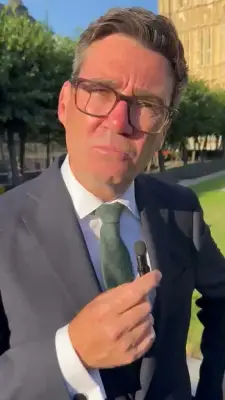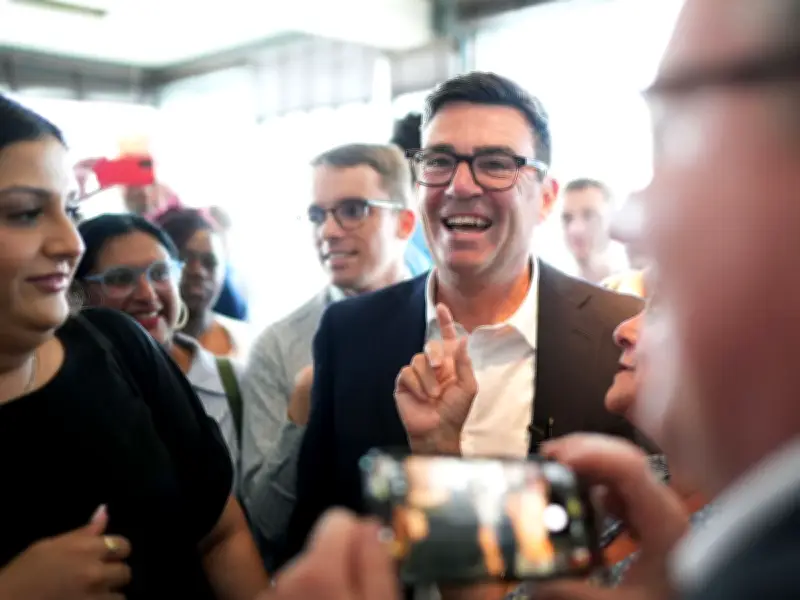
When Andy Burnham enters Downing Street, we could see the manifestation of a political tradition that feels, in many respects, very familiar to Wales, and to Welsh Labour in particular. More community-focused, valuing public services and local government, and more concerned with how growth is shared across the country. People should be able to build good lives where they live: good jobs, closer to home, valuing the foundational economy of places and having a meaningful say over the decisions that shape their communities.
A Message That Resonates in Wales
For many Welsh voters, that instinct will land well. It’s a message that has echoed through Welsh Labour for a century and has been turned into policy by successive Welsh Governments. It is what maintained Welsh Labour’s power at the Senedd for the first 26 years of devolution. Throughout much of the last quarter-century, Welsh Labour has often sat slightly to the left of the UK Labour Party – more focused on community, public services and how economic growth is felt in people's day-to-day lives.
Valuing good public services in your local area, rather than introducing competition. It's a philosophy that says people can't shop around for a different local school or hospital, so the priority must be making the services in their community the very best they can be. This was crafted within Welsh Government by Rhodri Morgan and Mark Drakeford in the early 2000s, just as a more centrist Labour government at a UK level was going in the other direction.

A Shift Back to Progressive Labour Politics
Politically, it could also signal a shift back towards a more progressive version of Labour politics at a time when many centre-left voters in Wales felt uncertain about the direction of mainstream UK politics. According to Cathy Owens, director of Cavendish Cymru and former Welsh Labour special adviser, "Burnham could help Labour reconnect with voters they lost to Plaid Cymru and the Greens in Wales because they felt that Labour does not reflect the centre of gravity of progressive politics."
Many in Welsh Labour – particularly those used to the form of Welsh Labour espoused by the leadership of Rhodri Morgan, Mark Drakeford and Carwyn Jones over many years – would be very comfortable with that.
Devolution as a Central Theme
Burnham's strongest opportunity in Wales would be to turn that instinct into a new UK-wide settlement on devolution. He has made devolution central to his political identity as Mayor of Greater Manchester, arguing that Whitehall is too remote and too controlling. A serious devolution agenda must recognise that the UK is not made up of identical regions waiting for permission from the centre.
A very quick win would be to overturn the decision to centralise in Whitehall post-EU regional economic development funding. But then, importantly, use Wales as a template for how you really value and engage local government, regional administrations and national government in shared decision-making. We’ve been doing that here for 26 years.
Local Decision-Making and Protecting Councils
On local decision-making – Welsh Labour valued local government and protected councils from the significant funding cuts seen across England under the Conservatives, worked constructively with them on regional development, gave them strategic powers over transport and planning, and limited ringfencing so they could make spending decisions on local services.
Andy Burnham’s new opportunity matters because Wales continues to deal with the consequences of centralisation: uneven investment, fragile public services, weak transport links and a UK economic model that still too often treats growth as something generated in the centre and distributed outwards later. Burnham's appeal is that he challenges that settlement. Whether he can change it is the next test.