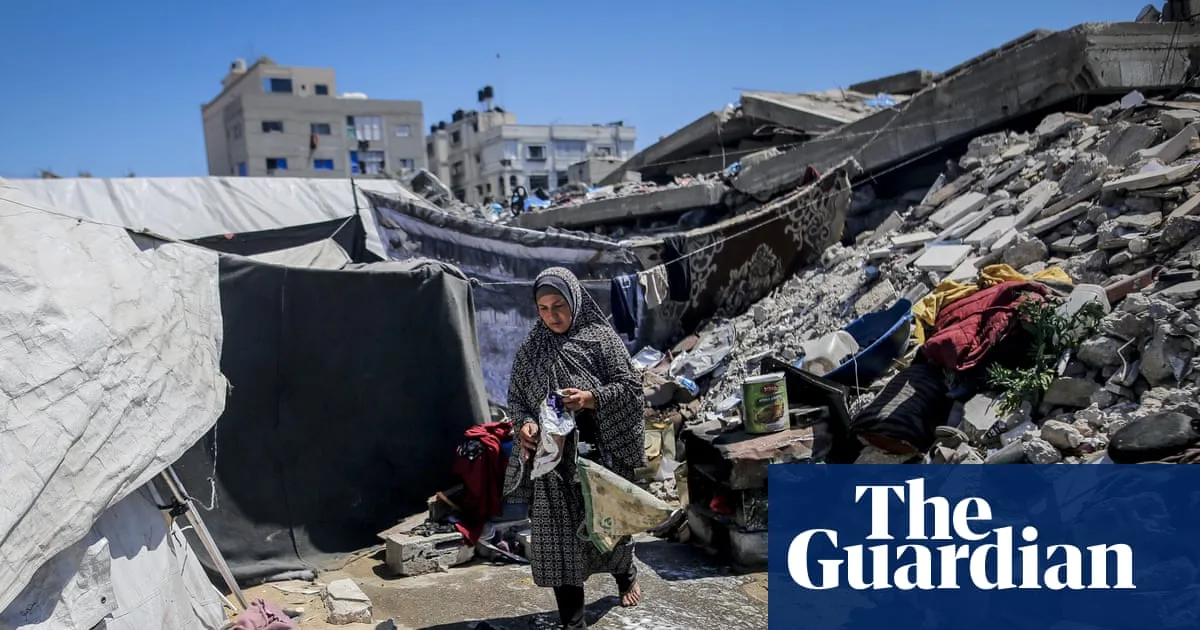
The plight of Palestinians, once a central issue in international discourse, appears to have receded from the global spotlight. This article examines the multifaceted reasons behind this shift, drawing on expert analysis and recent events.
Media Fatigue and Shifting Priorities
One significant factor is media fatigue. Continuous coverage of conflicts can desensitize audiences, leading to diminished engagement. As other crises—such as the war in Ukraine, climate emergencies, and economic downturns—dominate headlines, the Palestinian situation receives less airtime. This is compounded by the 24-hour news cycle's demand for novelty, which sidelines protracted conflicts.
Geopolitical Dynamics
Geopolitical shifts have also played a role. The Abraham Accords and normalization deals between Israel and several Arab states have altered regional priorities, reducing Arab League focus on Palestine. Additionally, the United States' decreasing direct involvement in Middle East peace processes has lowered the issue's international profile. Meanwhile, China and Russia have pursued their own agendas, often prioritizing other alliances.
Internal Palestinian Divisions
Internal divisions among Palestinian factions, particularly between Fatah and Hamas, have weakened unified advocacy efforts. The lack of a cohesive political strategy and frequent governance challenges in the West Bank and Gaza have made it harder to maintain international sympathy and support.
Human Rights Discourse Fatigue
The global human rights community, while still active, faces criticism for perceived selectivity and inconsistency. Campaigns for other causes, such as the Black Lives Matter movement or Afghan women's rights, have drawn attention and resources away. Some argue that the Palestinian issue has been overshadowed by newer, more resonant human rights narratives.
Economic and Security Concerns
Economic factors, including the COVID-19 pandemic and subsequent inflation, have redirected public attention to domestic issues. Security concerns, such as terrorism and migration, have also prompted governments to prioritize stability over human rights advocacy in the Middle East.
In conclusion, the waning global focus on Palestinian suffering stems from a complex interplay of media dynamics, geopolitical realignments, internal Palestinian challenges, and competing global crises. Understanding these factors is crucial for those seeking to reinvigorate attention and action on this enduring issue.






