The White House has firmly denied reports that its so-called 'border czar', Tom Homan, is being dispatched to Minnesota due to a perceived loss of trust in Governor Kristi Noem by the president. This denial comes amidst a highly charged political atmosphere, fuelled by a recent fatal incident in the state that has ignited fierce debate over gun rights and federal authority.
Fatal Encounter Sparks Cross-Partisan Condemnation
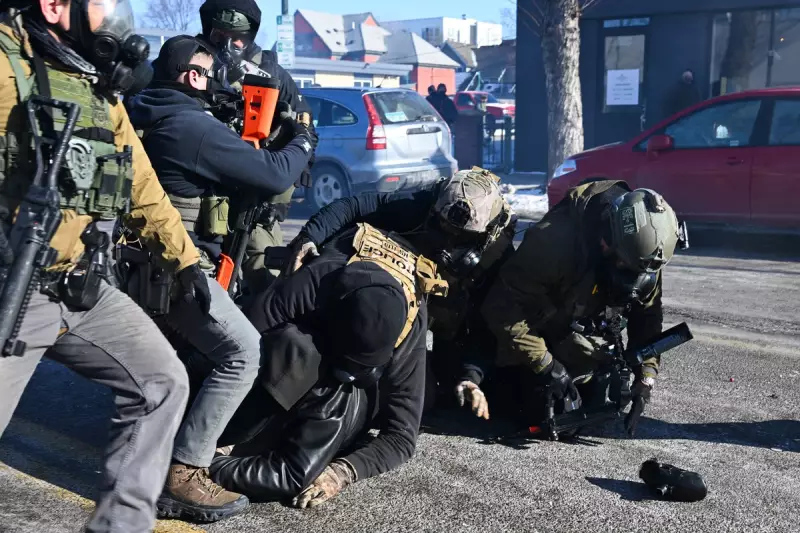
US citizen Alex Pretti was killed by federal immigration agents in Minnesota after an altercation where he was tackled and disarmed while legally carrying a holstered handgun. Alleged video footage depicts agents from U.S. Customs and Border Protection and Immigration and Customs Enforcement beating Pretti before shooting him ten times. This tragic event has provoked widespread criticism, remarkably uniting disparate figures such as former Presidents Barack Obama and Bill Clinton with the National Rifle Association (NRA) in their condemnation of the agents' actions.
Gun Lobby Rebukes Trump-Linked Statements
Statements from individuals associated with the Trump administration, which suggested the federal agents were justified in their use of force, have drawn strong rebukes from prominent gun rights organisations, including the influential NRA. This puts the administration in a precarious position, at odds with traditional allies in the gun lobby over the interpretation and defence of Second Amendment rights.

Pretti's death underscores the deeply contentious nature of the Second Amendment in contemporary America. It highlights an increasing trend of gun ownership across the political divide, a phenomenon largely driven by growing fears of government overreach and actions perceived as infringing on constitutional liberties.
Broader Implications for Policy and Trust
The incident and the subsequent political fallout, including the speculation around Tom Homan's role, reflect broader tensions in U.S. immigration enforcement and domestic security policy. The White House's denial regarding Homan's reassignment aims to quell rumours of internal discord, but the underlying issues of trust and operational conduct remain potent.
This case exemplifies how individual tragedies can rapidly escalate into national debates, forcing unusual alliances and challenging established political narratives around gun ownership, law enforcement authority, and the limits of state power.