An 18-year-old woman, the daughter of a former model and a retired footballer, has publicly accused a prominent Manchester gay bar of discrimination after she was asked to leave because her wheelchair was labelled a "fire safety hazard" by staff. Maddie Haining, who has used a wheelchair since age 13 due to a chronic nerve disease, described the incident at Club Tropicana on Canal Street as deeply distressing and potentially unlawful.
Incident Details and Allegations
Ms Haining, accompanied by a friend, visited the venue on Saturday night. Within minutes of entering, she was approached by a security member who informed her that the manager had requested her departure. When she asked to speak directly to the manager, he arrived with another staff member and reiterated that the wheelchair posed a safety risk, later specifying it as a "fire safety hazard."
As Ms Haining attempted to challenge this decision, she was allegedly told that the company could face fines if she refused to exit. She recounted to the Daily Mail, "It was just really frustrating. You wouldn't think somewhere like that, on Canal Street in Manchester, and which is supposed to be inclusive to everybody, is discriminating against people. It's beyond me."

Legal Standoff and Social Media Backlash
In response, Ms Haining quickly researched UK laws on her phone, finding that under the Equality Act 2010, it is unlawful for nightclubs to deny entry or ask someone to leave solely because they use a wheelchair. She presented this information to staff, demanding documentation to prove any legitimate risk, which they reportedly declined to provide.
After her refusal to leave, staff allegedly shifted their reasoning, claiming her friend had consumed alcohol, despite only ordering a Coca-Cola. Ms Haining noted, "She hadn't had a drink - she doesn't drink - and five minutes before she'd bought just a coca cola at the bar, so they had the receipts and had seen she hadn't bought any alcohol either."
Frustrated by repeated approaches, she eventually left the premises. Outside, performers from the bar expressed sympathy, apologising for the handling of the situation and deeming it unacceptable.
Widespread Support and Investigation
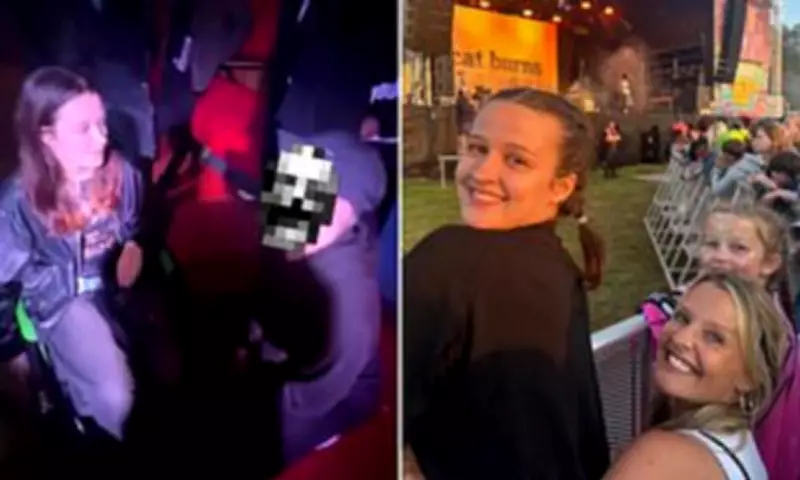
Ms Haining, who is in college, posted a video of part of the incident on Instagram, which has garnered over 150,000 views and hundreds of supportive comments. The footage shows her conversing with staff at the venue, highlighting the confrontation.
A spokesperson for Club Tropicana stated, "We have not been contacted directly by the complainant but we have been made aware of the Instagram post. We are currently investigating the matter internally and at this time it would be inappropriate to comment further."
This incident raises significant questions about accessibility and discrimination in nightlife venues, particularly in spaces marketed as inclusive. Ms Haining's case underscores ongoing challenges faced by disabled individuals in public settings, with potential implications for enforcement of equality laws.