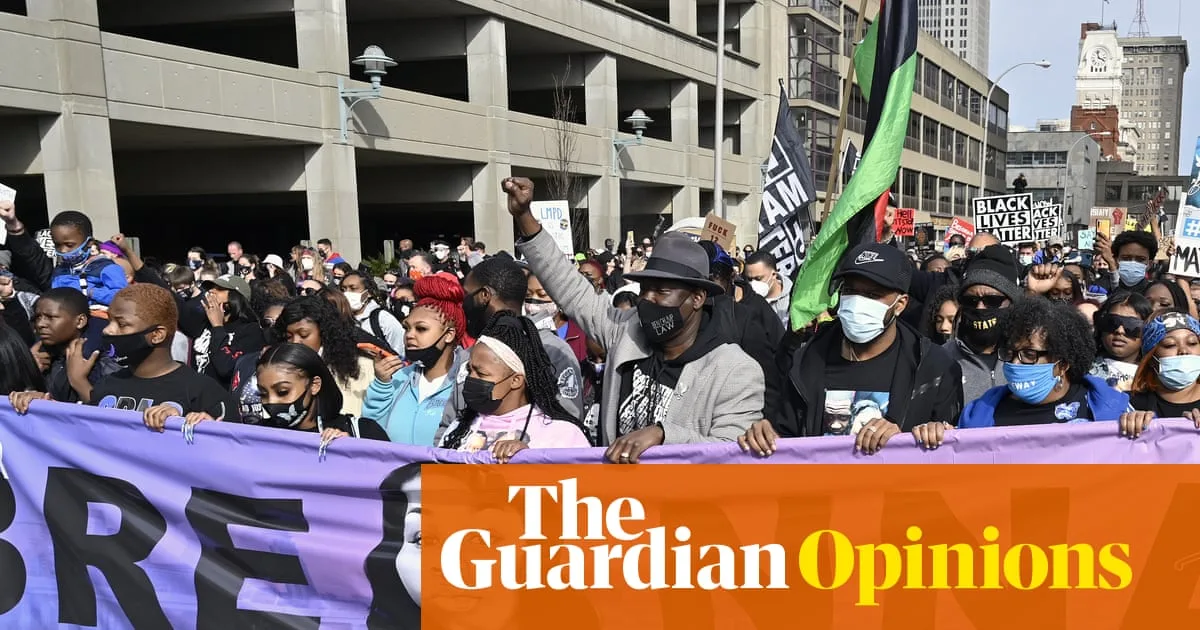
Six Years After Breonna Taylor's Killing, America Weakens Rules That Could Have Saved Her
The night Breonna Taylor died began quietly. She was at home in Louisville, a 26-year-old emergency room technician dedicated to preventing tragedies in others' lives. After midnight, police officers arrived at her apartment with a warrant, forcing open the door without warning. Inside, Taylor and her boyfriend, Kenneth Walker, did not know who had entered. In the ensuing confusion, Walker fired a single shot, believing intruders had broken in, and officers responded with at least 10 rounds, striking Taylor multiple times. She died in her hallway on March 13, 2020.
A National Reckoning and Its Aftermath
For a brief moment, Taylor's death forced America to confront the dangers of no-knock warrants—tactics allowing police to enter homes unannounced, often at night, under the guise of preventing evidence destruction or escape. Her killing highlighted the volatility of such encounters, where misunderstandings can escalate to gunfire in seconds. In response, Louisville banned no-knock warrants entirely, and other states and municipalities imposed limits. The Justice Department under previous leadership tightened federal rules, recognizing the need for strict safeguards.
However, earlier this month, the Trump administration's Department of Justice quietly rescinded those federal limits. Deputy Attorney General Todd Blanche eliminated a nearly five-year-old policy restricting no-knock warrants, arguing in a memo that law enforcement must be allowed to carry out duties to the fullest extent permitted by law. This change restores broader discretion to federal agents, rolling back protections born from the national reckoning Taylor's death inspired. The reversal was done without public explanation, seemingly hoping no one would notice.
The Falsehood of Effective Policing
No-knock raids never disappeared entirely, as policing in the United States remains decentralized, with thousands of local departments retaining authority to use them. Some experts questioned whether the federal limits made a practical difference, but the Justice Department's decision sends a clear message: it reinforces the falsehood that life-saving restrictions impede effective law enforcement. It indicates how little Taylor's life and the lessons from her death matter to this administration, willing to impose the same risks on others.
No credible justification exists for this move. Research shows that SWAT-style raids are rarely used for hostage situations or terrorism investigations; instead, they often terrorize residents, particularly in predominantly Black communities. No-knock raids frequently serve drug warrants, yielding little evidence—as in Taylor's case, where neither she nor Walker were the targets. These tactics reliably create volatility, with residents having seconds to react and officers prepared for lethal force, generating the very chaos they claim to prevent.
Historical Context and Ongoing Denial
Breonna Taylor's death exposed this reality with brutal clarity, leading to reforms that acknowledged the risks as unacceptable. The quiet reversal suggests her death has been processed—grieved, protested, memorialized—and filed away. This denial has consequences beyond any single tactic. The home holds a special place in American law, with the Fourth Amendment protecting citizens from sudden state power. No-knock raids collapse this protection, treating the door as an obstacle rather than a boundary.
History offers earlier reminders, such as the 1969 raid that killed Fred Hampton and Mark Clark of the Black Panther Party, where false claims and surveillance led to state-sanctioned violence. While details differ, the underlying logic mirrors Taylor's case: the state deems what lies behind a door dangerous enough to remove all protections. Sanctioned violence against Black people in their homes did not begin with no-knock warrants and will not end with them, but rules matter—their absence has proven fatal.
The Path Forward and Unanswered Questions
The killing of Breonna Taylor forced the country to examine what happens when rules are absent or ignored. Post-death reforms aimed to make such moments rarer, and bipartisan legislation like the Justice for Breonna Taylor Act has been introduced repeatedly but never passed. This administration now views such measures as an inconvenience. We grieve and then allow the conditions that necessitated grief to be quietly restored; we say her name, yet those in power act as if we never did.
We know what happened in Breonna Taylor's apartment six years ago, why it happened, and what could reduce its recurrence. This administration has deemed those protections expendable, sending a message that her death did not change this country enough. The question remains: what will we do with that information?






