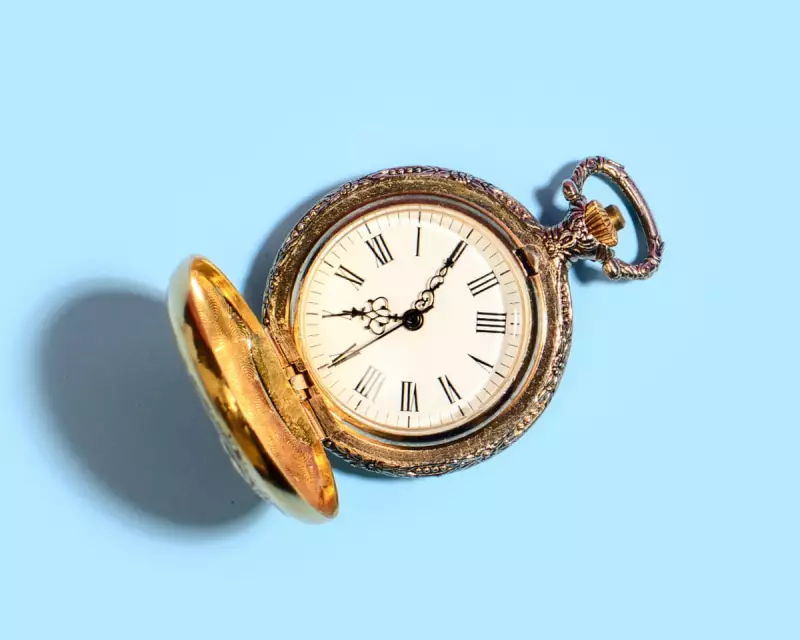
In a world obsessed with punctuality, a provocative new perspective suggests that being late can sometimes be the ultimate display of good manners and decorum. Instead of viewing etiquette as a rigid set of rules, we should consider what people genuinely need in a given social situation.
When Tardiness Shows Tact and Consideration
The common belief that lateness is always a serious social faux pas is being challenged. While it can be rude in certain contexts, there are numerous scenarios where arriving a little behind schedule is not only acceptable but actively thoughtful. The key is to use personal judgment and consider the specific circumstances of the host or companion.
Take the example of a dinner invitation from an inexperienced cook or a nervous host. If you suspect your host is underprepared, arriving ten to thirty minutes late can be a godsend. This grants them crucial extra time to manage culinary disasters, shower, or locate missing ingredients without the pressure of a guest watching their every move. Your delayed arrival will likely be met with frantic gratitude rather than offence.

Specific Scenarios for Strategic Lateness
Author Rachel Connolly, who penned the novel Lazy City, outlines several specific instances where good form involves a delayed arrival.
If you are meeting a new mother without her baby, aim to be fifteen minutes late. This provides her with a rare, precious window of time to gather her thoughts or simply enjoy a moment of quiet. On a date with someone who has a significant crush on you, a ten-minute delay can offer them a chance to calm their nerves and compose themselves.
Connolly even applies the principle to more emotionally charged situations. If you must break up with someone still in love with you, being half an hour late might help them remember you as disorganised rather than perfect, potentially softening the blow. Similarly, when collecting a beloved pet for rehoming, a twenty-minute delay grants the family extra, invaluable time for farewells or a last-minute change of heart.
Redefining Etiquette as Empathy, Not Rules
This approach fundamentally shifts the concept of good manners from a checklist of categorical dos and don'ts to a practice of empathy. The central question becomes: What does this person truly need from me right now?
It extends to challenging overly rigid behaviour in others. For instance, if you're meeting a strict rule-follower at the cinema, arriving after the adverts can be a gentle lesson in flexibility. The same logic applies to not allowing an anxious traveller to arrive at the airport a full three hours early.
The core argument is that true decorum is situational and responsive. It recognises that sometimes, the most polite action is to give someone the gift of time—whether to recover from a kitchen mishap, steel themselves for a difficult conversation, or savour a few last moments. In these cases, a well-considered delay is not poor form but the very height of good manners.