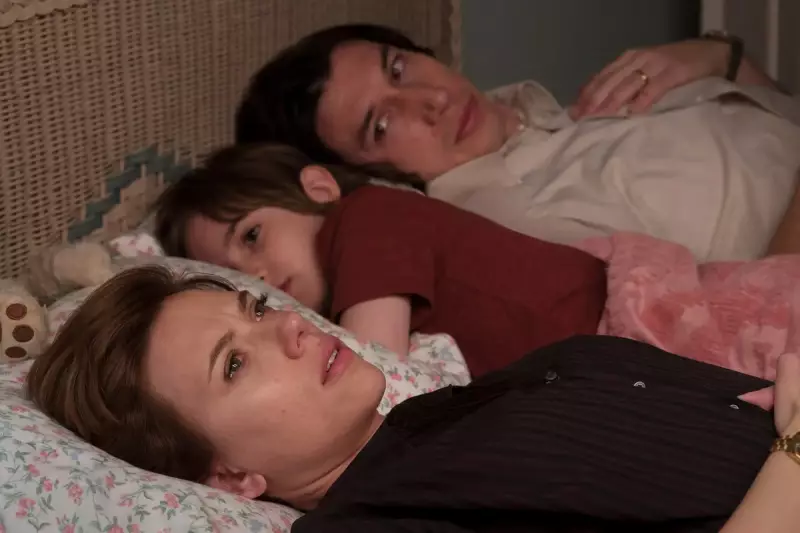
In households across the UK, a silent relationship revolution is underway. A growing number of couples, particularly women in midlife, are choosing not to divorce but to emotionally withdraw from their marriages in a trend now known as 'quiet quitting'. They remain under the same roof, often for years, but have spiritually checked out, redirecting their energy and hopes to friendships and interests beyond the home.
The Faces Behind the Trend
For Jane*, a 57-year-old accountant, the decision to quietly quit came after her husband's refusal to discuss their relationship or the addiction issues that had plagued his forties. Despite him successfully completing rehab a decade ago, he would not address the underlying demons, leaving Jane feeling emotionally abandoned. The Covid-19 pandemic became a turning point; leaving felt like 'kicking someone when they were down'.
Now, she runs her life as if she is single. 'We’ve had a few friends die this year, which has been quite a wake-up call,' she says. She travels with friends while her husband stays home, and what remains of their union is 'very transactional', with no physical intimacy for a decade and frequent separate sleeping arrangements.

Hannah*, a 54-year-old business manager, reached a similar conclusion after eight years without affection. She attributes the distance to her husband's lack of career fulfilment and the strains of parenting high-need teenagers. 'He just doesn’t see me as an individual person any more,' she explains. As the sole breadwinner, the financial fallout of a formal divorce is too great a risk, so she has chosen to find fulfilment elsewhere.
A Growing Phenomenon
This trend emerges alongside a recent report from law firm Mishcon de Reya, wealth manager Julius Baer, and platform NOON, which identified the 'walkaway wife' phenomenon. The report found women are increasingly initiating divorce, often simply because they have 'had enough'.
For some, however, quiet quitting is the alternative. Audrey*, a 56-year-old business analyst who has since divorced, estimates that around 40 per cent of her friendship group are in what she calls 'zombie' marriages. She believes this approach can be a way to retain one's identity. 'Maybe another way of looking at it is quitting not marriage, but the old model of marriage,' she suggests, pointing to other cultures where fulfilment is sought outside the marital bond.
Can a Marriage Survive 'Quiet Quitting'?
According to Camilla Nichols, a psychodynamic psychotherapist, the signs of a quiet divorce are often defined by an absence: a lack of tenderness, separate beds, and indifference to a partner's daily life. The most significant missing element is the desire to communicate.
However, Nichols offers hope, stating that this relationship disease is 'not necessarily terminal'. Therapy can provide a safe space to break brittle patterns of resentment. She advises couples to:
- Take a deep breath and consider your feelings.
- Ask non-confrontational questions to stimulate communication.
- Restore non-erotic, everyday touch.
- Persist, as breaking the cycle of indifference requires work.
For women like Jane and Hannah, quiet quitting is the 'least stressful option'—a way to preserve a family structure and financial stability while seeking personal happiness elsewhere. It is not seen as a lazy choice, but as a pragmatic solution to a deeply broken partnership, raising the question of whether this is a sustainable life strategy or merely a prolonged prelude to a final goodbye.