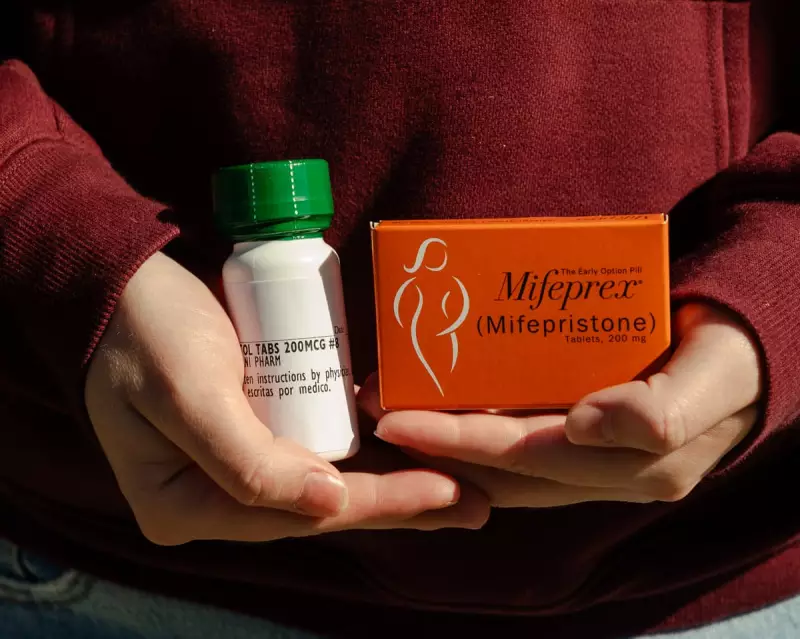
A significant legal battle is unfolding in Texas, where a coalition of healthcare providers and advocacy groups has launched a lawsuit challenging state laws that severely restrict access to medication abortion. The case, filed in a federal district court, directly confronts regulations that go far beyond current federal standards for prescribing mifepristone, one of the two drugs commonly used in medication abortions.
The Core of the Legal Challenge
The plaintiffs, which include doctors and organisations supporting abortion rights, argue that Texas has created an illegal and medically unnecessary patchwork of burdensome restrictions. The lawsuit, filed on 4 December 2025, targets multiple state statutes that impose requirements not mandated by the US Food and Drug Administration (FDA).
Central to the dispute are Texas laws that force providers to adhere to an outdated FDA protocol for mifepristone, which was superseded by the federal agency years ago. This includes mandating three separate, in-person visits to a clinician, a requirement that the FDA eliminated in 2021. The state also prohibits the dispensing of abortion pills through pharmacies or via mail, and imposes additional informed consent rules and reporting mandates that plaintiffs deem excessive.

The legal action contends that these state laws are pre-empted by federal authority, specifically the FDA's regulatory power over drug safety and efficacy. Lawyers for the coalition assert that Texas cannot unilaterally impose its own, more restrictive regimen on a medication that the federal government has deemed safe and effective under a modernised set of rules.
Wider Implications for Reproductive Healthcare
This lawsuit emerges as a critical flashpoint in the ongoing national struggle over abortion access following the US Supreme Court's 2022 decision to overturn Roe v. Wade. With surgical abortion largely banned in Texas, medication abortion had become a vital alternative for many. The state's stringent laws, however, have drastically curtailed that option as well.
Medical experts and the plaintiffs highlight that the Texas regulations contradict established medical practice. Major medical associations, including the American College of Obstetricians and Gynecologists, endorse the current FDA protocol, which allows for telehealth consultations and prescription by mail in many states. They argue that the Texas rules create significant, unjustified barriers to care, disproportionately affecting low-income individuals and those in rural areas who cannot easily make multiple clinic visits.
The outcome of this case is poised to have repercussions far beyond Texas. It tests the legal principle of federal pre-emption in the context of reproductive health and could set a precedent for how states may—or may not—regulate FDA-approved medications. A victory for the plaintiffs could weaken similar restrictions in other conservative-led states, while a loss would reinforce the power of states to layer additional constraints on abortion access.
A Pivotal Moment in Post-Roe America
The Texas lawsuit represents a strategic shift in the legal defence of abortion rights, focusing on the specific mechanisms of medication abortion rather than a broad constitutional right. It underscores the growing importance of abortion pills, which now account for the majority of pregnancy terminations in the US.
As the case proceeds through the federal court system, it will be closely watched by policymakers, healthcare providers, and advocates on all sides of the debate. The Biden administration, which has supported broader access to medication abortion, is likely to monitor the proceedings closely. The final resolution, which may ultimately reach the Supreme Court, could redefine the landscape of abortion access for millions of Americans, determining whether states can effectively veto federal drug approvals for political reasons.
For now, the litigation ensures that Texas remains at the epicentre of America's abortion policy wars, with access to a common medical treatment hanging in the balance.