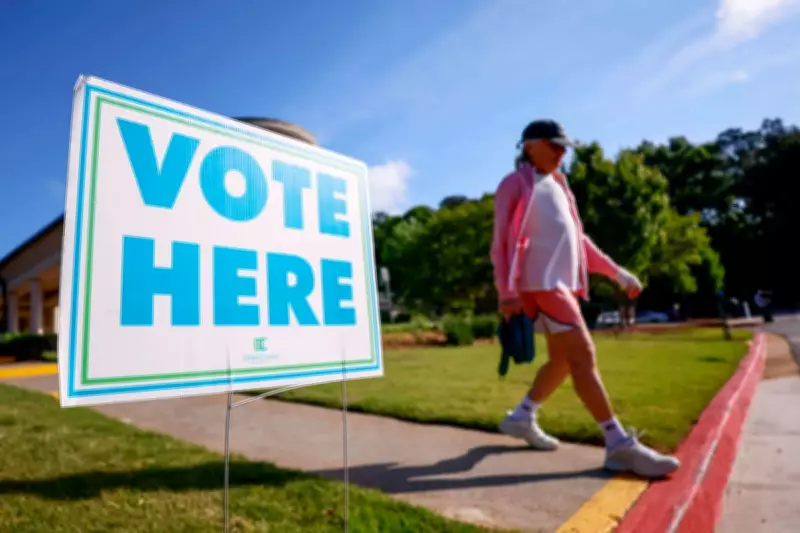
The Supreme Court has ruled 6-3 that Louisiana's creation of a second Black-majority congressional district constitutes an unconstitutional racial gerrymander, a decision that could bolster Republican electoral prospects by restricting states from drawing districts that aid minority voters.
Landmark Ruling
In a landmark decision, the conservative majority determined that the district relied excessively on race, but notably declined to intervene in Section 2 of the Voting Rights Act, leaving it intact for now. The ruling effectively prevents states from crafting congressional districts specifically designed to help minority voters elect their preferred candidates.
Impact on Voting Rights
This decision continues a trend of Supreme Court rulings that have gradually eroded the Voting Rights Act and constitutional safeguards against racial gerrymandering. Legal analysts suggest the ruling could have far-reaching implications for future redistricting efforts across the country.

The case originated from challenges to Louisiana's congressional map, which was redrawn after the 2020 Census to include a second district where Black voters comprised a majority. Critics argued the map was a racial gerrymander, while supporters contended it was necessary to ensure minority representation under the Voting Rights Act.
Eric Trump reacted strongly to a separate Democrat redistricting victory in Virginia, highlighting the partisan tensions surrounding these legal battles. The Supreme Court's decision is expected to influence similar cases in other states, potentially reshaping the political landscape ahead of upcoming elections.