Russia's Internet Crackdown Ignites Public Anger and Economic Strain
Anger and frustration are mounting across Russia as government-imposed internet restrictions severely disrupt daily life, damage businesses, and provoke condemnation from Kremlin critics and supporters alike. The intensifying crackdown has led to regular shutdowns of cellphone internet connections, blocked popular messaging apps, and restricted access to thousands of websites and digital services.
Daily Life Thrown Into Disarray
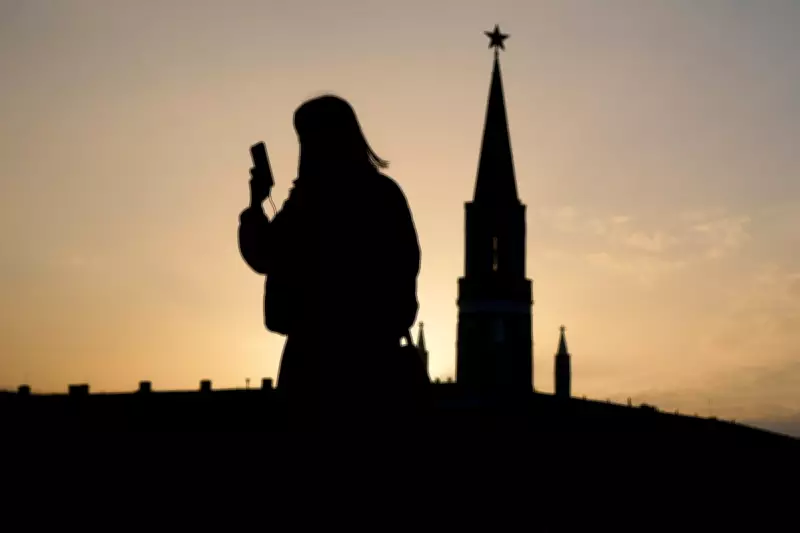
The clampdown not only controls which websites Russians can view but has also thrown digital life into chaos. Citizens report difficulties in ordering taxis and deliveries, paying for goods and services electronically, and staying connected with friends and family. In a recent incident, several dozen people lined up outside a presidential administration building in central Moscow on a sunny spring weekend, with police closely monitoring them as they lodged complaints about the restrictions.
Kremlin critic Boris Nadezhdin captured the public sentiment in an interview with The Associated Press, stating, "This infuriates a huge number of people." The discontent has even drawn international attention, with Armenian Prime Minister Nikol Pashinyan delivering a veiled criticism during a televised meeting with President Vladimir Putin, noting that Armenia's social media is "100% free" without restrictions.

Escalating Measures and Digital Control
For years, Russia has pursued total government control over the internet, potentially isolating it from the global network by blocking tens of thousands of websites, messaging apps, and social media platforms that refuse to cooperate with authorities. Internet users have traditionally circumvented restrictions using virtual private networks (VPNs), but the government has actively blocked these as well.
Last year, the restrictions escalated dramatically with sweeping shutdowns of cellphone internet connections and sometimes broadband, leaving only a handful of government-approved websites and apps accessible. Officials claim these measures are necessary to thwart Ukrainian drones that rely on Russian cellphone internet for navigation during Moscow's ongoing invasion. However, the shutdowns have affected remote regions never targeted by drones, with ordinary people and businesses decrying the measures as harmful.
The Kremlin has targeted popular messaging apps like WhatsApp and Telegram while promoting a state-backed app called MAX, widely perceived as a surveillance tool. Initially, voice and video calls on these platforms were blocked, followed by effective message restrictions without VPN use. Digital and Communications Minister Maksut Shadayev recently announced orders to further decrease VPN usage, with unconfirmed reports suggesting new measures against them.
Lawyer Sarkis Darbinyan, co-founder of the RKS Global digital rights group, told AP that authorities aim to drive internet users into a "digital ghetto" of Russian, government-controlled apps and platforms, declaring, "The internet is no longer this universal digital good."
Business Leaders Voice Concerns
In recent weeks, a growing number of business leaders in Russia have expressed alarm over the sweeping restrictions and urged authorities to adopt a more moderate approach. Alexander Shokhin, head of the Russian Union of Industrialists and Entrepreneurs, told Putin at a recent forum that cellphone internet shutdowns "made life difficult for both businesses and citizens." He emphasized, "Given the high level of mobile technology penetration in our lives, we hope that a systemic, balanced solution will be found."
Similar pleas came from CEOs of two major cellphone operators, Sergei Anokhin of Beeline and Khachatur Pombukhchan of Megafon, who suggested identifying suspicious users instead of implementing widespread shutdowns. Prominent IT entrepreneur Natalya Kasperskaya criticized Roskomnadzor for blocking VPNs, which she blamed for a brief outage of banking and other services, warning that technical decisions sometimes cause "downright shock" and require dialogue with the IT sector.

Cautious Protest Movements Emerge
Activists from Moscow to Vladivostok have attempted to organize rallies against internet restrictions since late February, acting cautiously due to harsh suppression of unauthorized demonstrations and routine jailing of government critics. They sought authorization under strict protest laws, but most requests were rejected, with some activists arrested on various charges.
Despite this, small pickets occurred in a few cities, and activists plastered flyers and banners decrying the restrictions. Opposition politician Nadezhdin and his supporters have filed for permission to hold rallies in dozens of cities on April 12, coinciding with Cosmonautics Day, using slogans linking space exploration to internet connectivity. He stated, "Progress, science and technology development is impossible without connectivity, without communication, without the internet."
Moscow-based opposition politician Yulia Galyamina echoed this sentiment, recording a video near the presidential administration where complaints were filed, saying the discontent "is truly widespread" and that public outcry could amplify effects against the restrictions.