

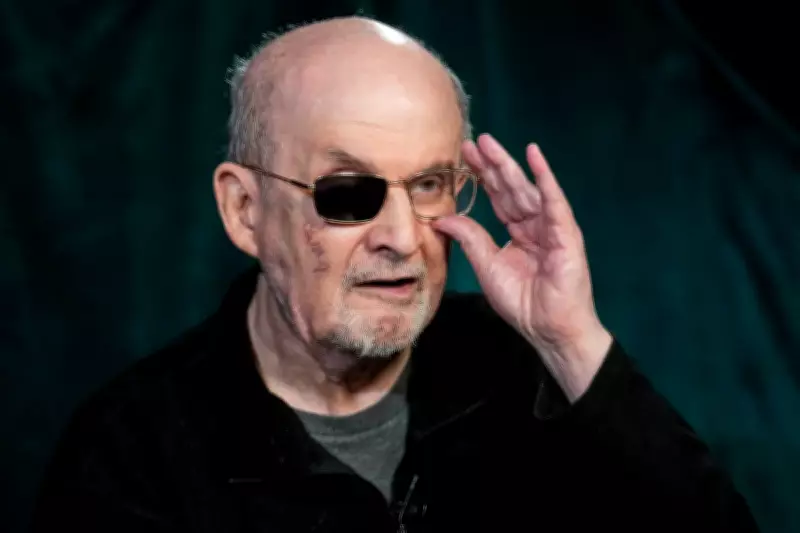
Salman Rushdie has expressed a clear desire to be known primarily for his literary works rather than as a symbol of free speech or for the violent knife attack he survived in 2022. The acclaimed British-Indian novelist, who suffered severe injuries including the loss of sight in one eye during the assault by Hadi Matar at the Chautauqua Institution, emphasised his focus on writing in a recent discussion.
Attack Linked to Historical Fatwa
The 2022 incident is widely believed to be connected to a fatwa issued by Iran's Ayatollah Ruhollah Khomeini in 1989, following the publication of Rushdie's controversial novel, The Satanic Verses. This fatwa called for his death, making Rushdie a long-standing figure in debates over free expression and religious extremism.
New Publications and Recovery
Since the attack, Rushdie has published a memoir titled Knife: Meditations After an Attempted Murder, which details the traumatic event and his ongoing recovery process. Additionally, he has released a new short story collection, The Eleventh Hour, showcasing his continued creative output despite the challenges he has faced.

Views on Censorship Trends
In his remarks, Rushdie highlighted evolving issues in censorship, noting that while historical censorship often originated from powerful institutions or governments, there is now a worrying trend of self-censorship among younger writers. He described this shift as concerning, suggesting it reflects broader societal pressures that could stifle artistic freedom and open discourse.
Rushdie's comments underscore his preference to avoid being labelled as a 'free speech Barbie,' a term he finds frustrating, as it oversimplifies his complex identity and contributions to literature. Instead, he aims to steer conversations toward his body of work and the themes explored in his writings.






