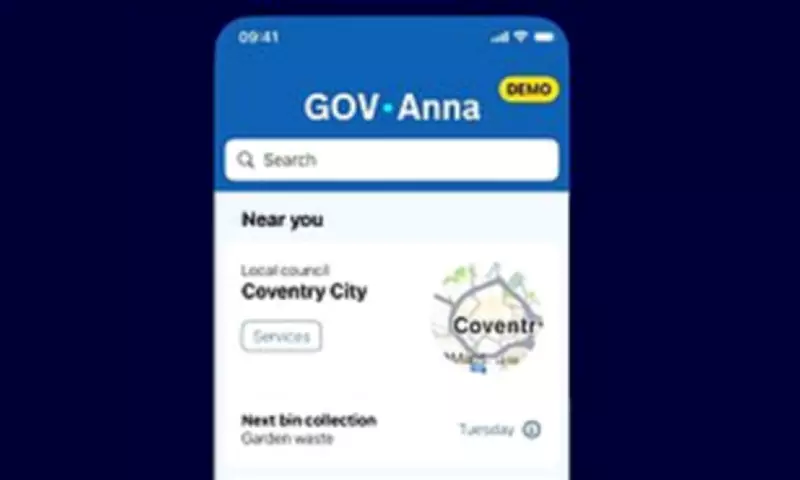
Public Opinion Divided on Digital ID Cards as Government Advances Plans
A new poll has uncovered a significant split in public sentiment regarding the introduction of digital ID cards in the United Kingdom. The survey, conducted recently, shows that while some citizens welcome the idea for its potential to streamline services and enhance security, others express deep reservations about privacy implications and data protection.
Key Findings from the Poll
The poll results reveal that approximately 45% of respondents stated they would be comfortable carrying a digital ID card, citing benefits such as reduced paperwork, faster access to government services, and improved fraud prevention. In contrast, around 40% indicated they would not be happy with this development, primarily due to fears over data breaches, surveillance, and loss of personal autonomy.
Supporters argue that digital IDs could modernise outdated systems, making everyday tasks like voting, banking, and healthcare more efficient. They point to successful implementations in other countries, where digital identification has led to increased convenience and reduced administrative burdens.

However, critics warn that the move could erode civil liberties, with potential risks including hacking, identity theft, and misuse of personal information by authorities or third parties. The debate highlights a broader tension between technological progress and individual rights in an increasingly digital society.
Government's Stance and Future Steps
The UK government has been actively exploring digital ID solutions as part of its broader strategy to digitise public services and boost economic growth. Officials have emphasised that any rollout would include robust safeguards, such as encryption and strict data governance protocols, to address privacy concerns.
Despite this assurance, the poll suggests that public trust remains fragile. Key concerns identified include:
- Lack of transparency in how data will be collected and used.
- Potential for function creep, where IDs are expanded beyond their original purpose.
- Accessibility issues for elderly or digitally excluded populations.
As the government moves forward with pilot programs and consultations, it faces the challenge of balancing innovation with public acceptance. The poll's findings indicate that clear communication and demonstrable security measures will be crucial to gaining broader support.
Broader Implications for Society
This debate over digital ID cards reflects larger societal questions about technology's role in governance. Proponents see it as a step toward a more connected and efficient future, while opponents view it as a threat to fundamental freedoms. The outcome could influence not only identity management but also areas like voting systems, law enforcement, and international travel.
In summary, the poll underscores a divided public on digital ID cards, with significant portions both embracing and resisting the change. As the UK navigates this issue, the government's ability to address privacy fears while highlighting benefits will likely determine the success of any future implementation.