
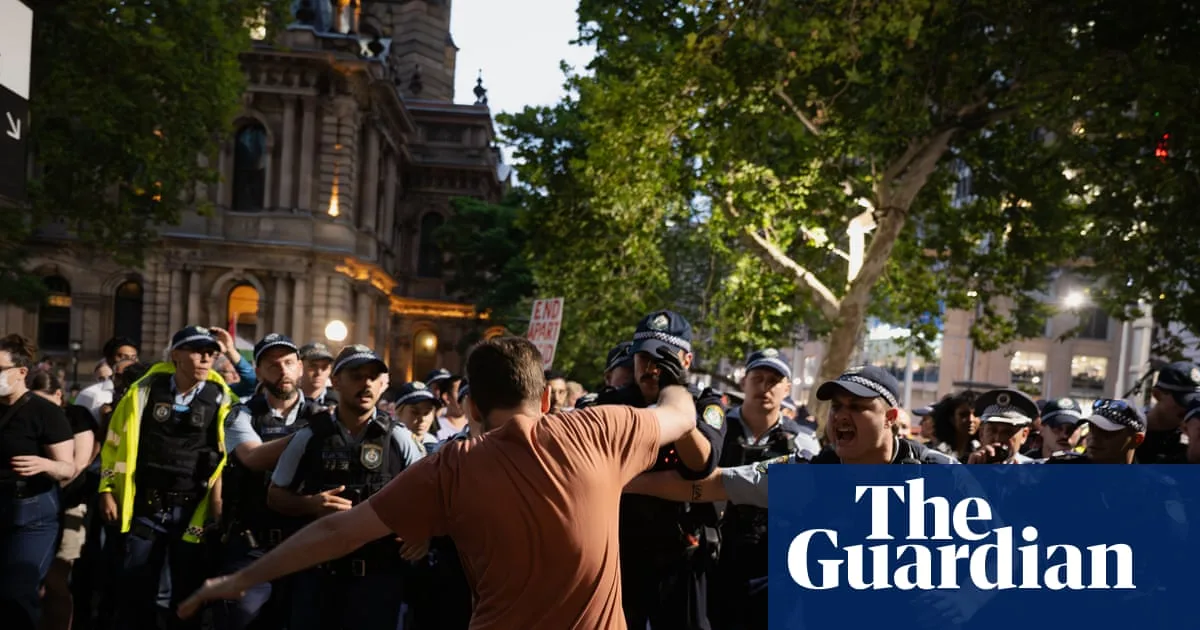
The New South Wales Court of Appeal has ruled that an anti-protest law introduced after the Bondi beach terror attack is unconstitutional. The law, known as the public assembly restriction declaration (PARD), gave police the power to restrict marches in designated areas for up to three months following a terrorist attack, effectively preventing protesters from using the standard notification system and risking arrest.
The court found that the PARD scheme impermissibly burdens the implied constitutional right to freedom of communication on government and political matters. The ruling comes after a challenge by three activist groups: Blak Caucus, Palestine Action Group, and Jews Against the Occupation '48, filed in early January.
The law was used during a protest against Israeli President Isaac Herzog's visit in February, which turned violent and led to a police watchdog investigation. Police Commissioner Mal Lanyon extended the restriction multiple times before ending it after Herzog left the country.
Greens spokesperson Sue Higginson called for charges against 26 people from that protest to be dropped, stating the police response under unconstitutional laws sets a major precedent for the Law Enforcement Conduct Commission. Premier Chris Minns expressed disappointment but defended the legislation, saying it was enacted after a severe terrorism event.
The full bench—Chief Justice Andrew Bell, Justice Julie Ward, and Justice Stephen Free—unanimously agreed the law was invalid, noting it was a blunt tool that did not consider the purpose or conduct of specific assemblies. They highlighted the paradox that it could apply to protests supporting social cohesion.




