'Machismo in Mexico is So F***ed Up Not Even the President is Safe'
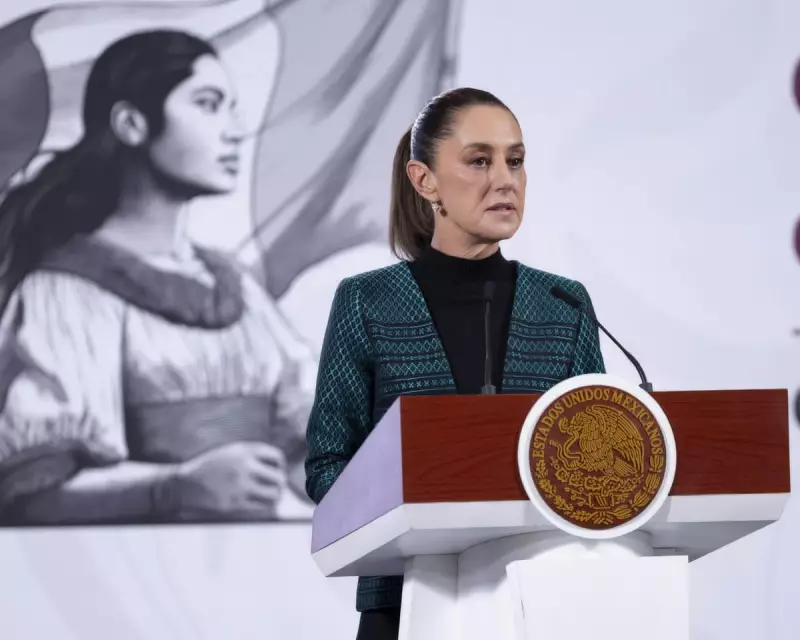
A shocking incident in Mexico City this week has ignited a national conversation about sexual violence and machismo. President Claudia Sheinbaum, the country's first female leader, was groped by a drunk man as she walked from the National Palace to the education ministry on Monday. The assault, captured on video and seen by millions, has prompted women across Mexico to share their own experiences with the cry of 'Me Too, Me Too, Me Too'.
A Teaching Moment for a Nation
The attack on President Sheinbaum has become a pivotal teaching moment in a country where street harassment is often normalised. At her daily press briefing on Wednesday, Sheinbaum, who has pressed charges against the man, articulated a sentiment felt by countless women: 'If they do this to the president, what happens to all the other women in the country?' Her words resonate deeply in a nation where half of all women have experienced sexual violence at some point in their lives.
However, the political response has been divisive. Sheinbaum's opponents on the right have controversially claimed the assault was staged to distract from the recent assassination of a local mayor, Carlos Manzo. This reaction, feminist professor Caterina Camastra noted, exemplifies the very problem women face: the dismissal and disbelief of their experiences.
The Impossible Balance for Women in Power
The incident highlights the fragile and often impossible balance women in leadership must maintain. Sheinbaum, like her predecessor, is known for her hands-on approach, wading into crowds and connecting with the public. Ishtar Cardona, a sociologist at the National Autonomous University of Mexico, explained the dilemma: if Sheinbaum abandons this tradition, she would be accused of being scared and unfit for office. By maintaining it, she is now vulnerable to accusations of being reckless.
Cardona revealed that she herself was groped by a student after giving a keynote speech, proving that neither a professor's nor a president's power offers protection from patriarchal behaviour. She argues that women like Sheinbaum—scientists, leftists, leaders—represent everything that macho men in Mexico's patriarchal status quo hate.
The conversation has opened a floodgate of shared experiences. When Cardona spoke of urging her students not to freeze when assaulted, it echoed the author's own story of being assaulted at age 15 during the Hajj pilgrimage. This global connection underscores that sexual violence is a universal issue, though the current focus is firmly on a potential turning point in Mexico.
'We have been breaking the taboo for about 10 years now but it's very tough,' Cardona stated, expressing hope that the very public nature of the president's assault might finally change the conversation. She challenges her male students to consider the daily precautions women must take—a reality starkly highlighted when their own president is assaulted in broad daylight. As Cardona emphatically told the author, 'I tell my students you have to embrace the anger!' Perhaps now, Mexican men will finally be forced to listen.