
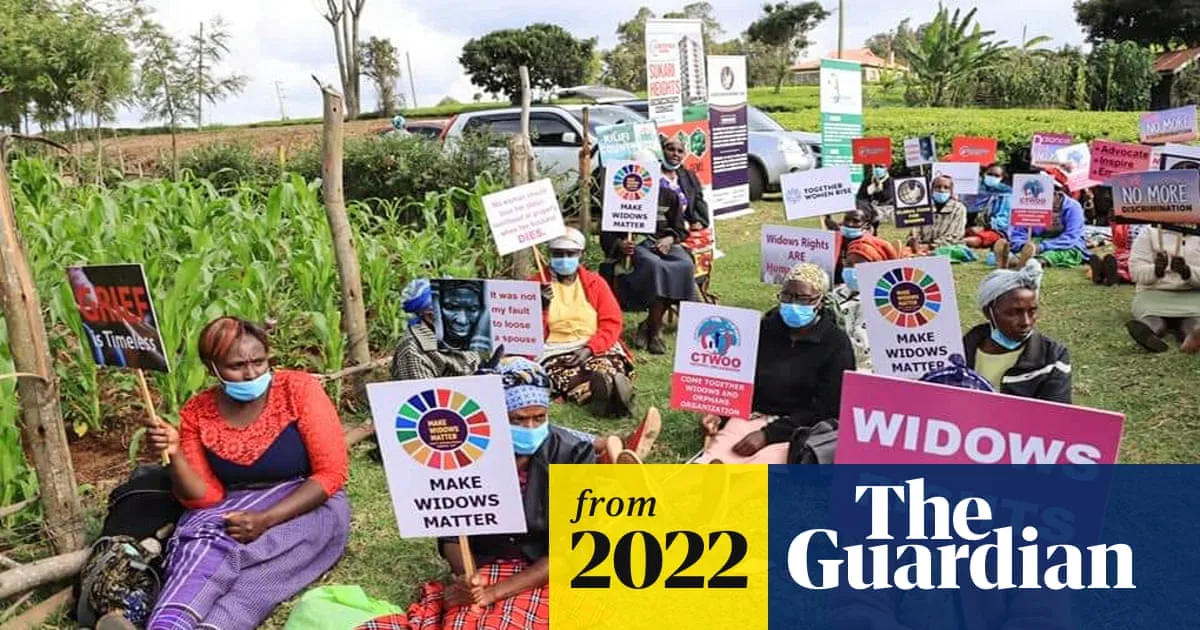
Within months of her husband's death in 2014, Doreen Kajuju Kimathi, a pregnant 37-year-old from Meru, eastern Kenya, was forced out of her home by in-laws and denied access to his bank accounts. Left with no resources, she returned to her parents' home and fell into depression for five years.
Kimathi's experience is widespread. Although Kenyan law protects widows' inheritance rights, patriarchal culture and colonial-era legal restrictions on married women's property often mean the law is not enforced. According to the Kenya Land Alliance, only 1% of land titles are registered to women alone, and a further 6% jointly with a man.
“There is an entire parallel system operating outside succession laws,” said Roseline Njogu, a Kenyan lawyer. “Equality of law doesn’t mean equality of power.” Grassroots organisations like the Come Together Widows and Orphans Organization (CTWOO) are fighting back. Since 2013, CTWOO has offered legal advice and support to nearly 500,000 widows, promoting wills and financial literacy.
Founder Dianah Kamande said most dispossessed widows are middle-class, not poor. “Men keep lots of secrets about money from their wives, and trust their mothers and siblings more – who in turn disinherit the wife and children.” The Unclaimed Financial Assets Authority reports 50bn Kenyan shillings (£347m) in unclaimed assets, about 40% from deceased people, partly due to financial secrecy.
Five years after being widowed, Kimathi discovered through CTWOO that she could file a court claim without a lawyer. Within a year, she regained access to almost all her husband's property. She now runs a bar and restaurant in Kitui and volunteers with a widows' support group. “Being a widow in Kenya is financially and socially isolating, and knowing that pushed me to help others,” she said.




