Climate Campaigner's Contempt Case Dismissed Amid Jury Rights Row
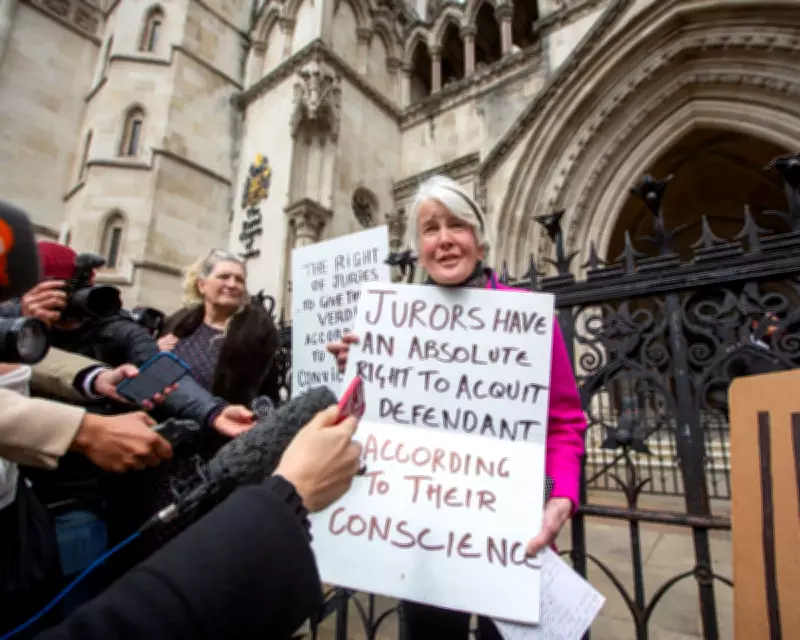
In a significant legal development, climate campaigner Trudi Warner was arrested for holding a placard defending the rights of juries, only for a judge to finally throw out the contempt case against her in 2024. This incident has ignited a fierce debate over the future of jury trials in the United Kingdom, as the Labour government proposes sweeping reforms that could drastically reduce their number.
The Historical Significance of Juries
The English criminal jury system, developed and honed over eight centuries, is widely regarded as one of the fairest methods for determining guilt or innocence globally. A jury of twelve randomly chosen individuals has long served as a vital bulwark against governmental excesses, oppressive legislation, and arbitrary governance, providing a unique constitutional and democratic safeguard. These principles remain central to discussions about justice and fairness, yet they are now under threat from political manoeuvres.
Labour's Policy Shift and Its Implications
The Labour government's proposal to cut the number of jury trials by half marks a stark reversal from previous stances. Notably, Deputy Prime Minister and Justice Secretary David Lammy once championed jury trials, tweeting in 2020 that they are a fundamental part of the democratic settlement and warning against criminal trials without juries. However, he now advocates for judge-only trials for offences likely to attract sentences of less than three years, including theft, fraud, wounding, and burglary. This volte-face has raised alarms about potential miscarriages of justice, as trials presided over solely by judges may lack the diverse perspectives and checks that juries provide.

Systemic Failures and Misguided Solutions
The government justifies its reforms by citing a shocking criminal court backlog of over 80,000 cases, projected to rise to 100,000 by 2028. However, no evidence has been produced to link this backlog to the need for reducing jury trials. Independent analyses, such as those from the Institute for Government and Brian Leveson's review, suggest that chronic underfunding in criminal justice infrastructure—including buildings, staffing, and legal aid—is the primary cause. By scapegoating juries, the government risks sacrificing a sacred principle to falsely explain systemic failures, undermining public confidence in the justice system.
Broader Democratic Concerns
This attack on juries is part of a broader pattern where core democratic institutions are being discarded for opportunistic reasons. Juries have historically acquitted individuals charged under restrictive laws, such as those curtailing protest and free speech, reflecting a commitment to justice over governmental convenience. The case of Mr Bushell in 1670, where jurors refused to convict Quakers despite pressure, exemplifies this enduring role. As human rights lawyer Michael Mansfield KC warns, restricting jury trials imbalances the delicate relationship between state power and individual freedom, threatening the very bedrock of democracy.
Conclusion: Upholding Justice in the Face of Change
The dismissal of Trudi Warner's case serves as a poignant reminder of the importance of jury rights. As Labour pushes forward with its reforms, the public must remain vigilant against measures that could erode democratic safeguards. The wisdom of ordinary people, as demonstrated in cases like the Hillsborough inquests, remains essential for fair and just outcomes. Preserving jury trials is not just about legal tradition; it is about maintaining a system that upholds fairness, challenges authority, and protects fundamental liberties in an ever-evolving political landscape.