Court Condemns "Untethered" Troop Deployment to Portland
A federal judge in Oregon has delivered a significant legal blow to the Trump administration, ruling that its deployment of the National Guard to Portland failed to meet necessary legal requirements. The ruling from U.S. District Court Judge Karin Immergut, issued on Friday 8th November 2025, followed a lawsuit from the city and state challenging the move.
Legal Threshold for Domestic Military Use Not Met
In a comprehensive 106-page opinion, Judge Immergut, who was appointed by President Trump herself, found that the administration did not have a legal basis for the deployment. The judge determined that the president had failed to establish that a rebellion or danger of rebellion existed in Portland, or that he was unable to enforce the law using regular forces.
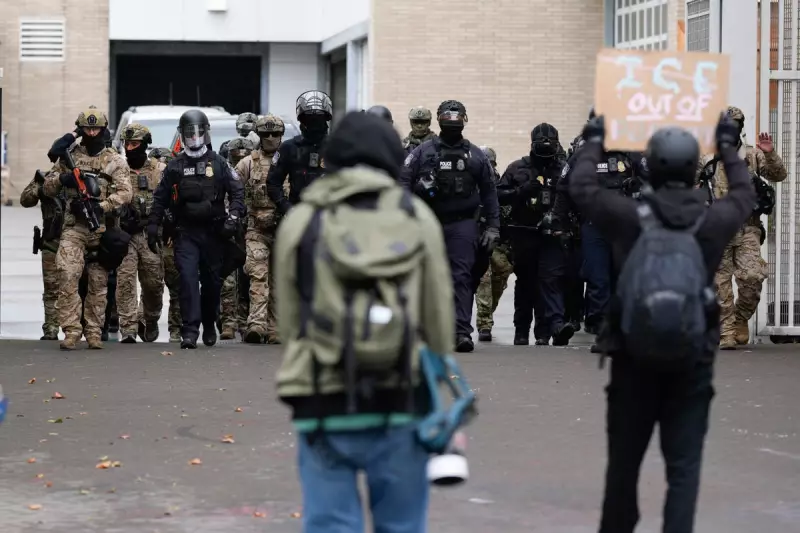
The trial record revealed that protests outside the Portland ICE building, while occurring nightly between June and October 2025, had remained largely peaceful since a few disruptive days in mid-June. Judge Immergut wrote that only "isolated and sporadic instances of violence" had occurred, with minimal interference to federal officers.
The judge directly challenged the administration's characterisation of Portland, calling Trump's apocalyptic descriptions of the city as "war ravaged" with "fires all over the place" "simply untethered to the facts."
Administration Attempted to Evade Court Orders
The legal battle intensified in early October when Judge Immergut issued two orders blocking the troop deployment ahead of the trial. The first order prevented Trump from deploying 200 members of the Oregon National Guard. When the administration attempted to circumvent this by sending California troops instead, the judge issued a second order blocking deployment of any state's National Guard to Oregon.
Oregon Attorney General Dan Rayfield welcomed the ruling, stating in an emailed statement that "The courts are holding this administration accountable to the truth and the rule of law." He emphasised that the case had always been about ensuring facts, not political whims, guide legal application.
The White House did not immediately respond to requests for comment on the ruling.
Contradictory Testimony Undermined Administration's Case
During the three-day trial, witnesses including local police and federal officials provided testimony that often contradicted the administration's claims. A key witness from the Federal Protective Service, identified only as R.C. due to safety concerns, testified that while a troop deployment would alleviate staff strain, he had not requested troops and was not consulted by Homeland Security Secretary Kristi Noem or President Trump.
R.C., described as one of the most knowledgeable people in DHS about security at Portland's ICE building, said he was "surprised" to learn about the deployment and did not agree with statements about Portland burning down.
Portland police officials testified that after declaring a riot on 14th June, they changed their strategy to direct officers to intervene only when person and property crime occurred. Crowd numbers had largely diminished since the end of that month, with demonstrations typically drawing only a couple of dozen people in the weeks before Trump's National Guard announcement.
While the ICE building closed for three weeks over the summer due to property damage, the regional field office director for ICE's Enforcement and Removal Operations, Cammilla Wamsley, confirmed employees continued working from another building. This provided evidence that federal functions were maintained despite the protests.
The 9th U.S. Circuit Court of Appeals has already ordered that troops not be deployed pending further action, with this trial developing the factual record for potential future appellate rulings.