A Minnesota judge has issued a significant ruling, blocking criminal charges against former CNN anchor Don Lemon and a group of anti-ICE protesters who were arrested during a demonstration at a church in 2023. The decision underscores the robust protections afforded by the First Amendment in the United States, particularly in cases involving political expression and peaceful assembly.
Legal Victory for Free Speech Advocates
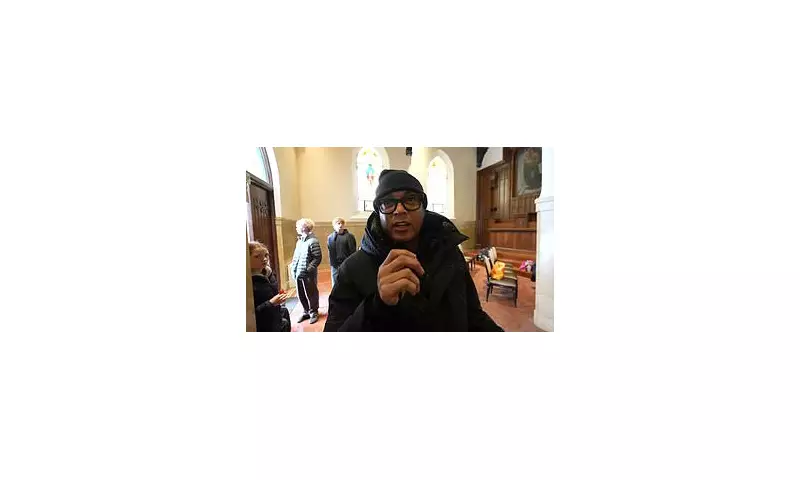
The case centred on an incident where protesters, including Lemon, gathered at a church in Minnesota to voice opposition to Immigration and Customs Enforcement (ICE) policies. Authorities arrested the individuals, alleging trespassing and disorderly conduct. However, the judge's ruling emphasised that the protesters' actions were constitutionally protected, as they did not incite violence or pose a substantial threat to public safety.
Implications for Protest Rights
This ruling is seen as a victory for civil liberties groups and activists who argue that such charges can chill free speech. Legal experts note that it reinforces precedent where courts have sided with protesters when their conduct remains non-violent and expressive. The decision may influence future cases involving similar demonstrations across the country, potentially setting a benchmark for how local authorities handle political protests.

Background of the Incident
In 2023, Don Lemon joined a coalition of activists at a Minnesota church to protest against ICE operations, which they criticised as harsh and inhumane. The demonstration was part of a broader national movement advocating for immigration reform. Lemon's involvement drew media attention, highlighting the intersection of celebrity activism and political issues. The arrests sparked debates over the limits of protest rights versus public order concerns.
Reactions and Broader Context
Supporters of the ruling have praised it as a defence of democratic principles, arguing that it upholds the right to dissent without fear of prosecution. Conversely, critics contend that it could embolden disruptive protests, though the judge's decision specifically noted the peaceful nature of this event. This case adds to ongoing discussions about immigration policy and the role of protest in American society, reflecting deeper societal divisions.
Overall, the dismissal of charges against Don Lemon and the anti-ICE protesters marks a pivotal moment in legal interpretations of free speech, with potential ramifications for future activism and law enforcement practices in similar contexts.