Human Rights Watch Faces Internal Crisis as Israel-Palestine Team Resigns Over Blocked Report
Human Rights Watch, one of the world's most prominent human rights organisations, has been plunged into internal turmoil following the dramatic resignation of its entire Israel and Palestine research team. The departures come after senior leadership blocked publication of a controversial report that would have declared Israel's denial of Palestinian refugees' right of return a "crime against humanity".
Key Researchers Depart Amid Contentious Dispute
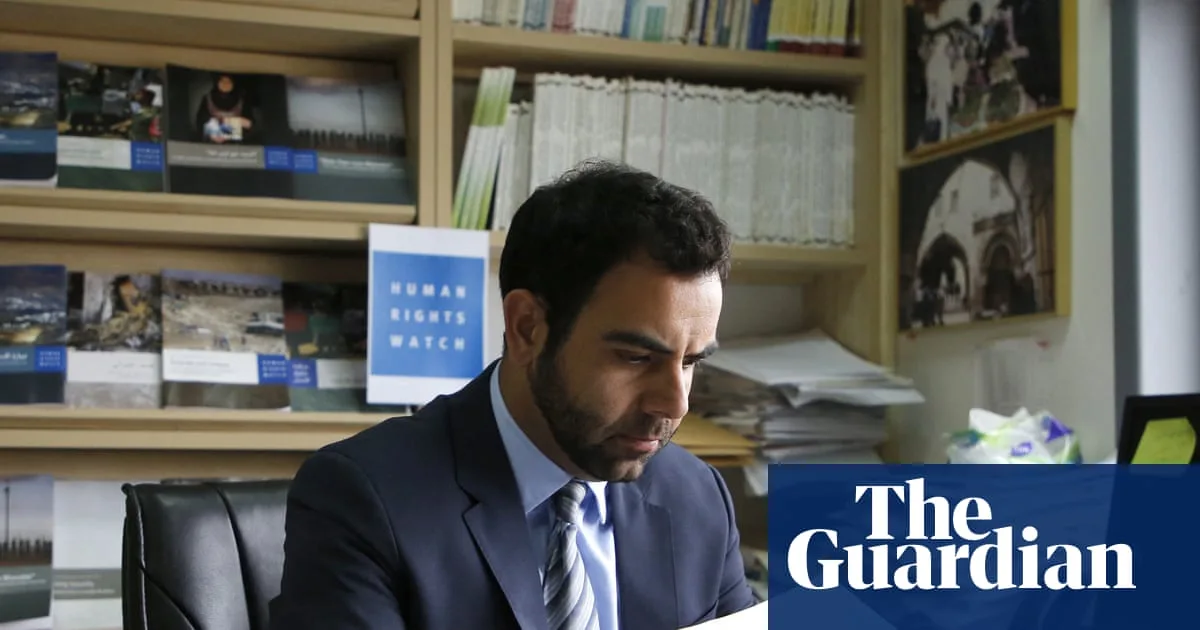
Omar Shakir, who has led HRW's Israel and Palestine team for nearly a decade, and his assistant researcher Milena Ansari have both stepped down from their positions. Their resignations follow what they describe as an unprecedented decision by organisational leadership to halt publication of their comprehensive report on Palestinian displacement.
In separate resignation letters obtained by media outlets, both researchers expressed profound disillusionment with HRW's decision-making process. Shakir wrote that he had "lost my faith in the integrity of how we do our work and our commitment to principled reporting on the facts and application of the law". He added that he was "no longer able to represent or work for Human Rights Watch".
Report's Controversial Legal Argument
The blocked report, titled 'Our Souls Are in the Homes We Left:' Israel's Denial of Palestinians' Right to Return and Crimes Against Humanity, represents a significant escalation in HRW's legal analysis of the Israeli-Palestinian conflict. The 33-page document, which has been reviewed by journalists, argues that denying refugees' right of return constitutes the crime against humanity known as "other inhumane acts" under international law.
This legal classification, established by the Rome Statute that created the International Criminal Court, addresses grave abuses that cause "great suffering" but don't precisely fit into other defined categories like apartheid or extermination. The report draws parallels with a 2018 ICC finding regarding Rohingya refugees from Myanmar.
Internal Divisions and Leadership Transition
The controversy has erupted during a sensitive leadership transition at HRW, with new executive director Philippe Bolopion beginning his tenure just as the report was scheduled for publication in December 2025. Bolopion, who previously contributed to HRW's landmark 2021 report accusing Israel of apartheid, ultimately decided to pause publication pending "further analysis and research".
Internal emails reveal significant concerns among senior staff about the report's potential impact. Chief advocacy officer Bruno Stagno Ugarte expressed worries that the findings "will be misread by many, our detractors first and foremost, as a call to demographically extinguish the Jewishness of the Israeli state". Acting program director Tom Porteous raised concerns about reputational damage and maintaining HRW's credibility as a "neutral, impartial monitor".
Broader Implications for Human Rights Advocacy
Shakir argues that the blocked report illustrates how the Palestinian right of return remains a "third rail" in human rights discourse, even as concepts like apartheid and genocide have entered mainstream conversations about Israel. "The one topic," he said, "even at Human Rights Watch, for which there remains an unwillingness to apply the law and the facts in a principled way, is the plight of refugees and their right to return to the homes that they were forced to flee."
The report's authors conducted extensive research across multiple countries, documenting experiences of Palestinians displaced from Gaza and the West Bank as well as refugees in Lebanon, Jordan and Syria originally displaced in 1948 and 1967. They describe generations facing persistent poverty, substandard housing, and severe obstacles to land ownership and employment.
Organisational Response and Staff Backlash
In an official statement, HRW defended its decision, stating that "the report in question raised complex and consequential issues" and that aspects of the research "needed to be strengthened to meet Human Rights Watch's high standards". The organisation emphasised that its internal review processes are "robust and designed to protect the integrity of our findings".
However, more than 200 HRW employees signed a protest letter expressing concern that blocking the report could "create the perception that HRW's review process is open to undue intervention" and "undermine trust in its purpose and integrity". The staffers warned that the decision could set a dangerous precedent for future research.
Historical Context and Personal Dimensions
Shakir, a US citizen who was deported from Israel in 2019 for his advocacy work, emphasised the human dimension of the research. "Witnessing the anguish in the Palestinians I interviewed who are effectively condemned to lifelong refugee status is among the hardest things I've seen," he said. "They deserve to know why their stories aren't being told."
The controversy highlights ongoing tensions within international human rights organisations as they navigate politically sensitive issues while maintaining credibility and influence. With both researchers now departed and the report indefinitely paused, HRW faces significant questions about its internal processes and commitment to addressing one of the most enduring humanitarian crises of our time.




