
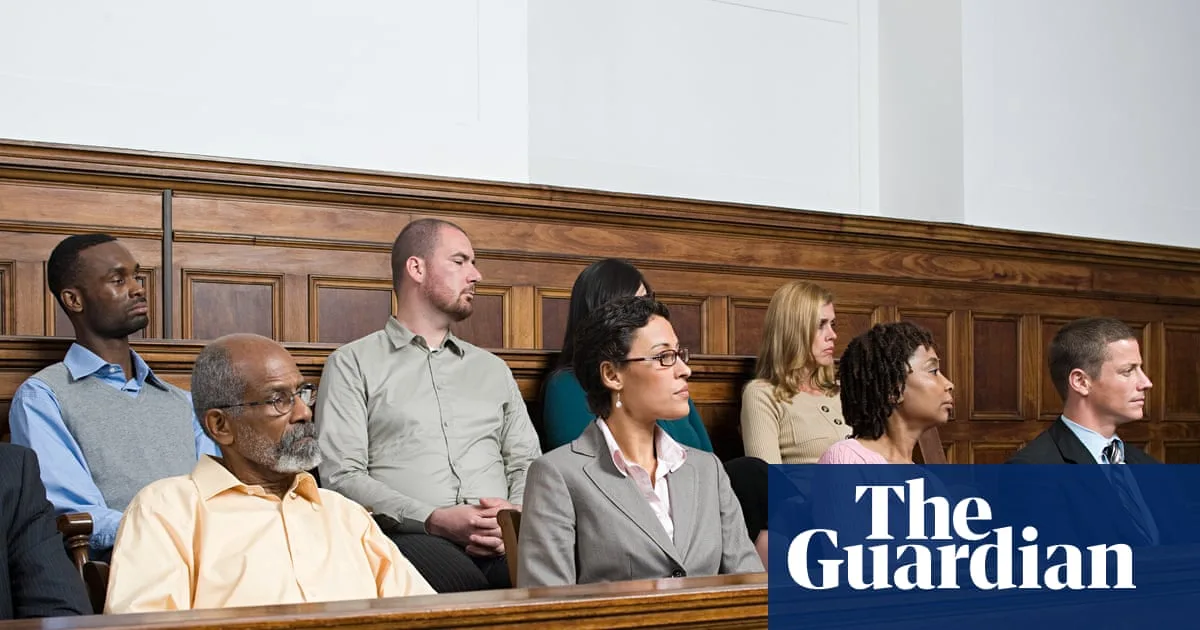
Justice Secretary David Lammy has announced sweeping changes to the criminal justice system in England and Wales that would significantly reduce the number of jury trials. Under the plans, jury trials would be reserved for 'indictable-only' offences such as murder or rape, and 'either-way' offences where the likely sentence exceeds three years in prison. While Lammy backed down on removing juries for all cases with a maximum jail term of five years, the proposals have sparked outcry from MPs, lawyers, and campaigners.
Abrar Javid, one of the 'Rotherham 12' cleared of violent disorder in 2016 after clashing with far-right extremists, said his jury restored his faith in the system. 'Before my trial I thought negatively of the criminal justice system. But my trial restored my faith that there’s a system that, while not perfect, is an opportunity still to be heard fairly. And I think having jury members is an essential and fundamental part of that system.'
Dorothy, a domestic abuse victim who gave evidence in a magistrates court, expressed mixed feelings. Her ex-partner was found not guilty of coercive control by a district judge. She said: 'I wonder if there was a jury there who had actually delved into it... it would have been different.' She called for transcripts to be made freely available and for magistrates courts to start recording proceedings.
Keir Monteith KC, a barrister with over 30 years' experience, described the proposed changes as 'unconstitutional, unworkable and unfair'. He said he had been consistently impressed by the quality and diligence of juries, noting: 'I have witnessed juries working conscientiously and efficiently to determine the correct verdicts in sensitive, difficult and complex cases.'




