

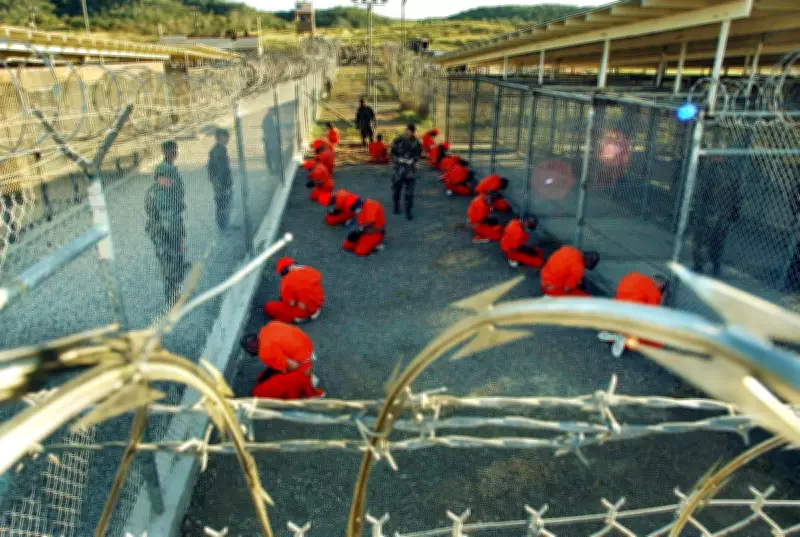
Guantanamo Bay's Tragic Legacy: How Detention Created a Suicide Bomber
In the aftermath of the 9/11 attacks, the United States established Guantanamo Bay as a facility to imprison suspected terrorists. However, a compelling new book extract argues that this prison may have inadvertently fostered the very extremism it aimed to combat. The story of Abdullah Saleh al-Ajmi, a Kuwaiti detainee, serves as a harrowing case study in how brutal treatment and psychological breakdown can lead to radicalisation.
The Descent into Madness
Abdullah Saleh al-Ajmi was captured at age 23 and brought to Guantanamo Bay as one of its earliest inmates. Despite being released relatively quickly, his time there left him profoundly damaged. Fellow detainees and his lawyer, Tom Wilner, observed a drastic transformation from a cooperative individual to someone consumed by rage and mental instability. Wilner noted, "I really think he was probably nothing when he went to Guantanamo. I don't think he was an enemy or anything, but I think Guantanamo made him crazy, turned him absolutely crazy."
Al-Ajmi described enduring severe torture, including beatings, temperature extremes, and religious humiliation. He confessed to false allegations of fighting with the Taliban simply to end the abuse, stating, "I wanted it to stop. I told them what they wanted to hear." His mental state deteriorated further after incidents like being "IRFed"—forcibly removed by guards—which resulted in a broken arm, and a rebellious act where he declared himself in control over the camp's public-address system.

A Flawed Release and Deadly Consequences
In November 2005, the United States assessed al-Ajmi as having "low intelligence value" and only a "medium risk" upon release, despite clear evidence of his psychological breakdown. Upon returning to Kuwait, his behavior remained erratic, with violent outbursts. Former detainees expressed shock at his release, believing his treatment at Guantanamo had driven him to insanity and vengeful threats.
Just over two years later, al-Ajmi carried out a suicide bombing in Iraq, killing thirteen soldiers and wounding forty-two others. In a video before his death, he cited the desecration of the Quran and maltreatment at Guantanamo as motivations. This act marked him as the only released Kuwaiti detainee to return to violence and the most significant terrorist act by a former Guantanamo inmate.
Systemic Failures and Denial
The book highlights systemic failures in U.S. policy, where detainees like al-Ajmi were broken by torture and then released without adequate support, effectively passing the problem to others. Intelligence agencies later speculated on his radicalisation, ignoring the obvious role of his Guantanamo ordeal. As author Eric Lewis, a human rights lawyer, argues, the evidence points to psychological destruction by torture, a theory the United States refused to accept.
This tragic narrative underscores the dangers of indefinite detention and abuse, suggesting that Guantanamo Bay may have created terrorists rather than containing them. The book, 'Leaving Guantanamo: How One Country Brought Home Its Men from the Forever Prison', published by Cambridge University Press, calls for a reevaluation of such practices to prevent future tragedies.






