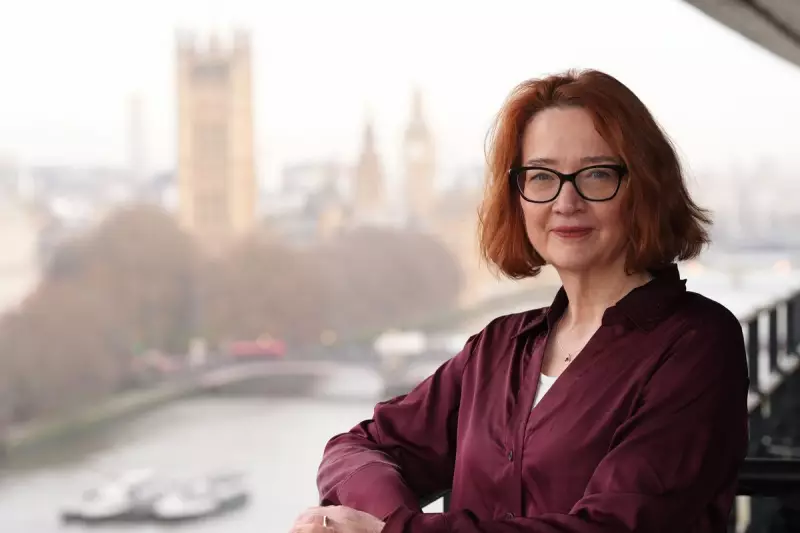
The new head of Britain's equalities watchdog has insisted that Gender Recognition Certificates (GRCs) retain crucial legal importance, even after a landmark Supreme Court judgment clarified the definition of 'woman' under equality law.
Record Demand for Legal Gender Recognition
Official data reveals that applications for GRCs reached an unprecedented level in the year to September. The expert panel received 1,987 applications, marking the highest number recorded in any 12-month period since the process began.
This surge in demand comes eight months after the Supreme Court's significant ruling in April 2025. The court concluded that the terms 'woman' and 'sex' in the 2010 Equality Act refer to a biological woman and biological sex. The case, celebrated by women's rights campaigners, centred on whether a person with a GRC stating they are female must be treated as a woman under the Act.

EHRC Chair Highlights Enduring Rights
Dr Mary-Ann Stephenson, the recently appointed chairwoman of the Equality and Human Rights Commission (EHRC), acknowledged the ruling's impact. She stated that while a GRC does not grant access to single-sex spaces like toilets or changing rooms based on acquired gender, the document safeguards other fundamental rights.
"I think in terms of people’s right to marry in their legal sex, to be buried in their legal sex, and so on... the gender recognition certificates are still very important to people," Stephenson told the Press Association. She noted that the right to marry was the original issue taken to the European Court of Human Rights.
Awaiting Guidance on Single-Sex Services
The commission, under Stephenson's predecessor Baroness Falkner, provided the Government with draft guidance on single-sex services. Stephenson described this guidance as "legally sound," based on extensive advice, and said the EHRC is now awaiting ministers' response.
The Government has indicated it will not be rushed in publishing an updated code of practice. This code will be used by businesses and organisations to inform their provision of separate-sex facilities. Any draft requires ministerial approval and would only come into force 40 days after being laid before Parliament.
When asked if she would accept changes to the draft, Stephenson said the EHRC was "happy to provide them with any evidence that they need" but stands by their legally advised version. The commission had previously urged the Government in October to "act at speed" on implementation.
A leaked draft reported in November suggested the guidance could allow services to exclude transgender people based on appearance, a characterisation fiercely rejected by trans rights campaigners. Stephenson dismissed this interpretation, stating her starting point is ensuring "everyone, as far as possible, has access to the services they need."
She emphasised the need for services for those who cannot or do not wish to use facilities for their biological sex, while affirming the Supreme Court's position that single-sex services must be based on biological sex. Stephenson has previously stated no one expects "toilet police" and suggested organisations could make self-contained single-sex toilets unisex.