UK Launches 10-Week Facial Recognition Consultation to Shape New Laws
Facial Recognition Laws: Public Views Sought in Consultation

The UK government has launched a major public consultation on the future of police facial recognition technology, seeking views on how to regulate its use and protect privacy while expanding its role in fighting crime.

Government Seeks to Ramp Up Crime-Fighting Tool

Ministers are pushing to significantly increase police use of facial recognition, describing it as the most significant breakthrough for catching offenders since DNA matching. The 10-week consultation, launched on Thursday 4 December 2025, will gather opinions to form the basis of new legislation expected within approximately two years.

Policing Minister Sarah Jones stated the government's intention to "expand its use so that forces can put more criminals behind bars and tackle crime in their communities." She highlighted that the technology has already assisted in thousands of arrests.

According to Home Office figures, the Metropolitan Police made 1,300 arrests using facial recognition over the last two years. The technology also identified more than 100 registered sex offenders who were breaching their licence conditions.

Proposed Safeguards and Regulatory Oversight

A central proposal within the consultation is the creation of a new regulator to oversee police use of facial recognition, biometrics and related tools. The public is being asked what powers this watchdog should possess.

The consultation document explicitly asks what safeguards are necessary to ensure public confidence and whether using the technology is proportionate to the level of harm being addressed. Currently, the legal basis for its use is described as "piecemeal," relying on common law, data protection, and human rights legislation.

Lindsey Chiswick, the National Police Chiefs’ Council lead for facial recognition, emphasised that while live facial recognition is already subject to strong safeguards, "public trust is vital." She added: "We want to build on that by listening to people’s views."

Controversy and Calls for Caution

The expansion plans are not without significant controversy. Earlier this year, the Equality and Human Rights Commission (EHRC) described the Met Police’s policy on live facial recognition as "unlawful," arguing that its safeguards "fall short" and could have a "chilling effect" on rights at protests.

Civil liberty groups have reacted strongly. Akiko Hart, director of Liberty, said: "The public is finally getting a chance to have its say on this surveillance tech, but it’s disappointing the Home Office is starting a consultation with a pledge to ramp up its use." Liberty called for the roll-out to be halted and for strict safeguards, including independent sign-off and public notice.

Silkie Carlo, director of Big Brother Watch, criticised the scale of surveillance, claiming police records show "over seven million innocent people in England and Wales have been scanned by police facial recognition cameras in the past year alone."

However, law enforcement leaders defend its use. Neil Basu, former head of Counter Terrorism Policing, called it a "massive step forward for law enforcement," though he acknowledged it "will still require proper legal safeguards and oversight." The Metropolitan Police stated it believes its use is "both lawful and proportionate, playing a key role in keeping Londoners safe."

Current Use and Funding

Police currently use three main types of facial recognition technology:

  • Retrospective: Used in investigations to search crime scene images against custody images.
  • Live: Uses live video footage to compare passers-by with watchlists of wanted individuals.
  • Operator-Initiated: A mobile app allowing officers to check a person's identity without an arrest.

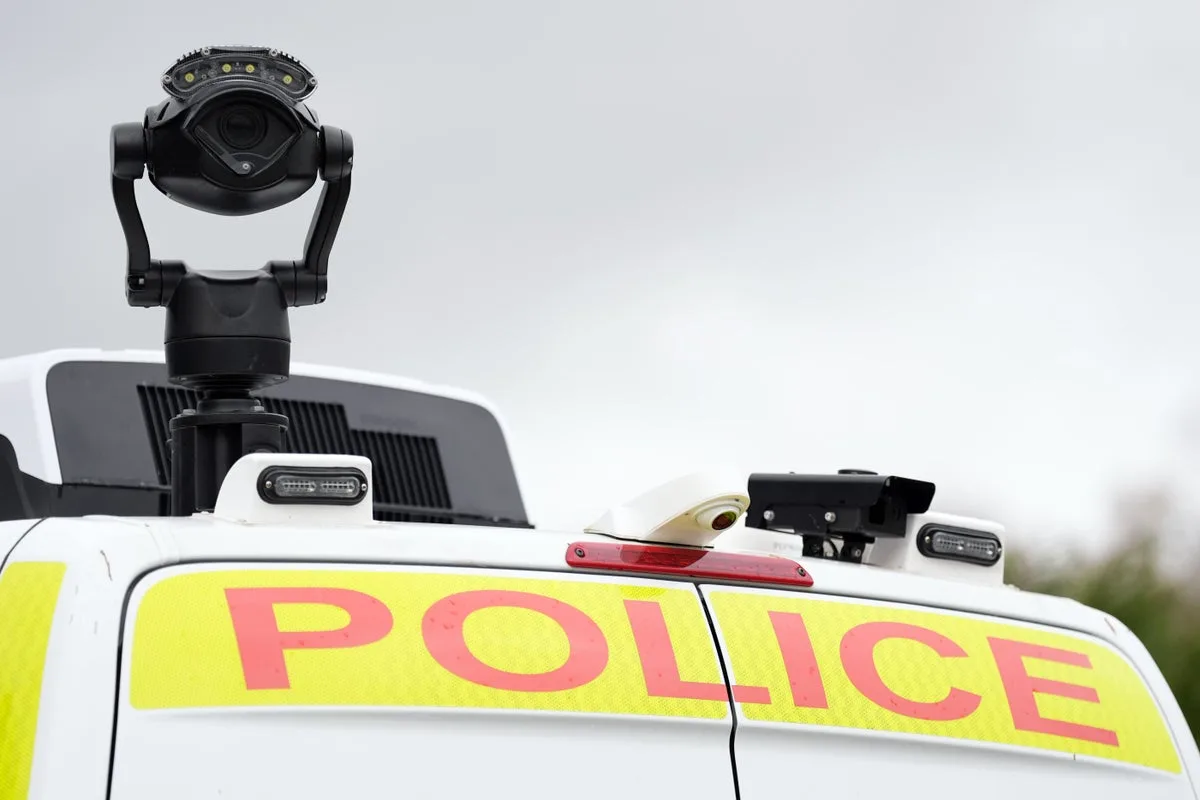
Financial investment is substantial. The Home Office funded £12.6 million in facial recognition last year, with £2.8 million spent on national live facial recognition pilots involving mobile vans and fixed locations. A new fleet of vans was recently rolled out in an expanded pilot across forces including Greater Manchester, West Yorkshire, and Thames Valley.

This year, a further £6.6 million was spent on evaluating and adopting the technology, including £3.9 million on creating a national facial matching service, currently in testing. This service aims to provide a new national database of custody images for retrospective searches, potentially holding millions of records.

Beyond catching suspects, the technology is also promoted for finding vulnerable people. Susannah Drury of the charity Missing People welcomed the consultation but stressed the need to "better understand the ethical implications and what safeguards must be put in place for this technology to be used safely."

The consultation remains open for ten weeks, offering a critical opportunity for the public to shape the legal framework governing one of the most powerful and contentious surveillance tools available to modern policing.




