
The Equality and Human Rights Commission (EHRC) has updated its code of practice, confirming that single-sex spaces can legally exclude transgender people. The code, laid before parliament, states that there is no legal way to open a single-sex service to people of the other sex, even if they are trans. Organisations are advised to offer alternative mixed-sex facilities to address the likely disadvantage to trans individuals.
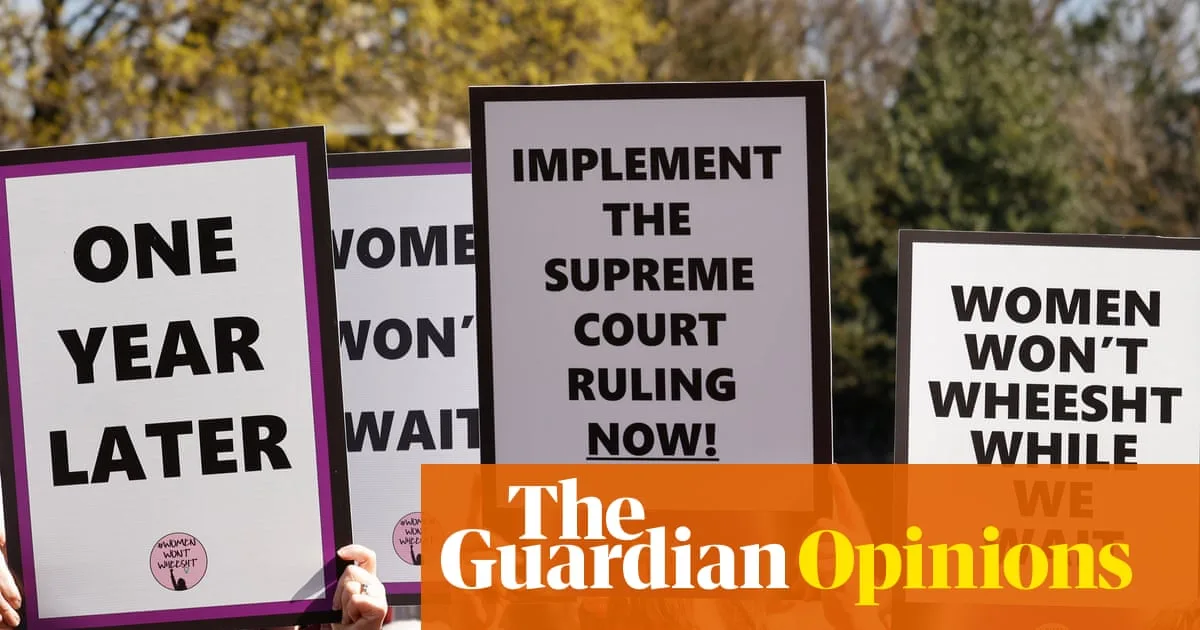
The updated guidance follows a landmark UK Supreme Court ruling that sex in the Equality Act refers to biological sex. Women and Equalities Minister Bridget Phillipson said the revised guidance took over a year to avoid creating a 'burden on business'. The code has drawn criticism from trans rights groups, who see it as a mandate to exclude trans people from ordinary life, particularly regarding public toilets.
However, feminists who campaigned for sex-based rights argue that the focus on toilets overlooks more critical spaces: prisons, refuges, rape crisis centres, lesbian groups, women's health centres, and sports. These spaces have special status in the women's movement and are vital for protecting vulnerable women, including survivors of domestic violence and sexual abuse.
The charity Sex Matters has criticised a section of the code that treats sex as 'special category personal data', arguing this could make single-sex spaces harder to operate. Gender-critical feminists, many of whom are lesbians or abuse survivors, have long defended these spaces against attacks from the trans rights movement. They stress that while trans people also need services, mixed-sex alternatives already exist, and removing the option for single-sex spaces is not acceptable.
The EHRC is merely enforcing the existing law, and no major party has proposed repealing the Equality Act except Reform UK. Campaigners warn that any attempt to eliminate single-sex spaces will face strong opposition, particularly given rising levels of sexual violence.




