

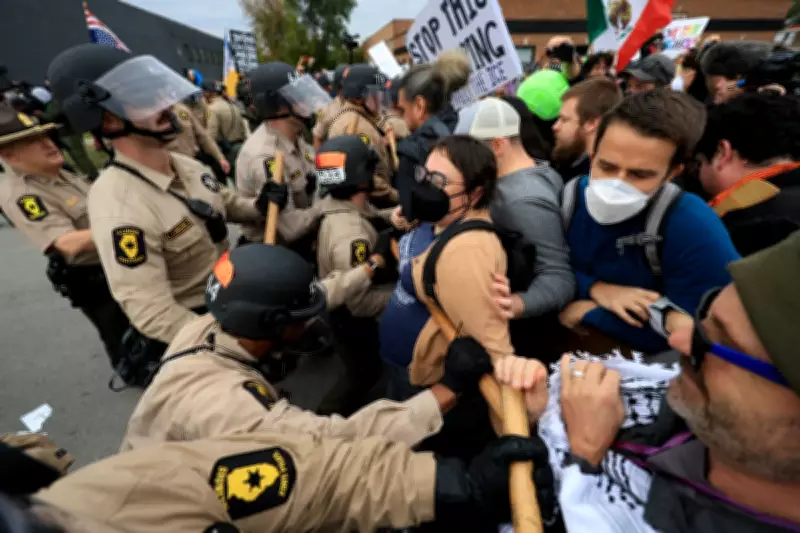
Throughout British history, the relationship between state authority and public dissent has been a complex and often contentious one, marked by a gradual but persistent trend towards the criminalisation of protest. This evolution reflects broader societal shifts, legal frameworks, and political responses to civil unrest.
Historical Foundations of Protest Regulation
The roots of modern protest criminalisation in the UK can be traced back to early public order legislation, such as the Riot Act of 1714, which empowered authorities to disperse gatherings deemed unlawful. Over centuries, this established a precedent for state intervention in collective action, setting the stage for more nuanced legal approaches.
Key Legislative Milestones
In the 20th and 21st centuries, several pivotal laws have shaped the landscape of dissent. The Public Order Act 1986, for instance, introduced offences related to violent disorder and threatening behaviour, expanding police powers during demonstrations. More recently, the Police, Crime, Sentencing and Courts Act 2022 has further tightened restrictions, imposing stricter conditions on protests and increasing penalties for non-compliance.

The Impact on Civil Liberties
This legislative trajectory has raised significant concerns among human rights advocates and legal experts. Critics argue that the criminalisation of protest undermines fundamental democratic principles, such as freedom of assembly and expression, enshrined in documents like the Human Rights Act 1998.
Case Studies and Public Response
High-profile cases, such as the prosecution of environmental activists under new laws, highlight the practical implications of these measures. Public response has been mixed, with some supporting stricter controls to maintain order, while others decry what they see as an erosion of civil liberties in a democratic society.
Comparative and Contemporary Context
When viewed in a global context, the UK's approach shares similarities with measures in other democracies, yet it remains distinct in its historical and legal nuances. Ongoing debates in Parliament and civil society continue to scrutinise the balance between security and freedom, suggesting that this issue will remain at the forefront of political discourse.
As the UK navigates these challenges, the historical path to criminalising dissent serves as a critical lens for understanding current tensions and future directions in governance and public engagement.






