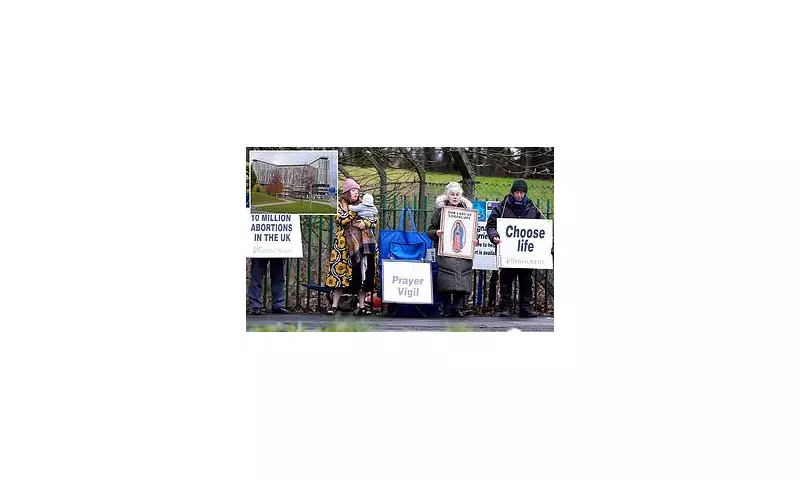
Catholic bishops in Scotland have issued a strong condemnation of the nation's new buffer zone legislation, branding it a disproportionate and undemocratic law that severely restricts fundamental freedoms.
A Law Under Fire
The Abortion Services (Safe Access Zones) Act 2024, which came into force last year, prohibits protests, vigils, or any behaviour intended to influence people within approximately 200 metres (650ft) of facilities providing abortion services. The Catholic Bishops of Scotland have now publicly slammed the measure, arguing it represents a dangerous state overreach.
The bishops stated: ‘We oppose this law because it is disproportionate and undemocratic. It represents state overreach and curtails basic freedoms. This should concern every Scottish citizen, regardless of their views on abortion.’ They emphasised that while they do not condone harassment, existing laws are sufficient to deal with such behaviour.

Controversial Scope and First Prosecution
Critics of the law have raised significant concerns about its potential breadth. There are fears it could penalise private actions within a person's own home if it falls within a zone, such as displaying a pro-life poster in a window. The legislation has also sparked debate over whether a person standing alone in silent prayer could be deemed to be committing an offence.
The controversy has now moved to the courts. Rose Docherty, 75, from Bishopbriggs, is scheduled to appear at Glasgow Sheriff Court next week facing two charges under the Act. Court papers allege she displayed placards within the protected zone near Glasgow's Queen Elizabeth University Hospital on multiple occasions between September 2024 and February 2025, with the intention of influencing decisions regarding abortion services.
Clashing Perspectives on Rights and Access
The backlash from the Church places it alongside other high-profile critics, including US Vice President JD Vance, who have questioned the law. The bishops framed their opposition as a defence of conscience, stating: ‘We support all those who, motivated by conscience and compassion, stand up for the right to life. It cannot be a crime to give our voice and our prayers to the unborn.’
In stark contrast, the law's architect, Scottish Green MSP Gillian Mackay, has described it as a ‘pivotal moment for reproductive rights in Scotland’. The Scottish Government has defended the zones, stating they are designed to protect a woman's right to access healthcare with dignity and respect, without facing harassment or intimidation.
A government spokesman clarified: ‘The Act does not prevent private actions in private places within zones. Private worship that is not targeting those providing or accessing services would be very unlikely to meet the threshold of intentionality or recklessness that the Act requires.’ Those found in breach of the law face fines of up to £10,000, or unlimited fines in more serious cases.