BBC Director-General Faces Newsroom Rebellion Over Language Dispute
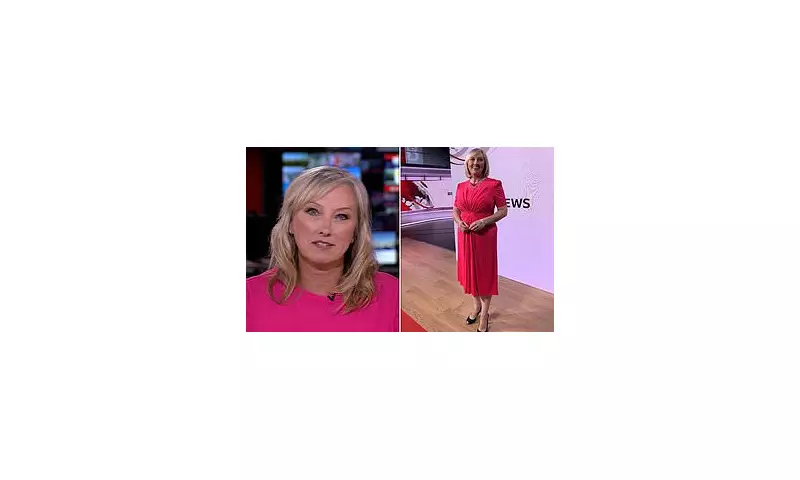
BBC director-general Tim Davie is confronting demands to resign following a significant newsroom uprising after veteran presenter Martine Croxall was formally criticised for substituting the term 'pregnant people' with 'women' during a live broadcast.
The controversy has exposed deep divisions within the corporation, with senior journalists reportedly furious about what they perceive as the BBC being 'captured by trans ideologists'. Colleagues of the 56-year-old newsreader are preparing to lodge a formal complaint directly with Mr Davie about her treatment and are demanding an overhaul of what they describe as the broadcaster's 'absolutely mad' complaints system.
The On-Air Incident That Sparked Outrage
The incident occurred in June when Croxall was introducing a segment about Britain's heatwave. The autocue script, derived from a press release prepared by a junior producer, instructed her to report that 'pregnant people' should take precautions during extreme temperatures. After briefly reading the line as written, the experienced presenter corrected the terminology with a subtle facial expression that included raising an eyebrow.
In a decision that has stunned BBC journalists, the Corporation's Executive Complaints Unit (ECU) ruled last week that Croxall had breached impartiality rules. The ECU concluded that her facial expression created a 'strong impression of expressing a personal view on a controversial matter'.
This censure marks what insiders describe as a 'turning point' for the BBC, highlighting a growing rift between newsroom staff and senior management. The situation has been particularly inflammatory since the complaints unit began reporting directly to Davie in 2023.
Newsroom Backlash and Internal Fallout
'If this can happen to Martine, it can happen to any of us,' one BBC insider revealed. 'There was incredulity in the newsroom when this came out. All she did was say a single word that was different to the autocue, and she did not roll her eyes, she just moved her face. Are presenters not allowed to move their faces now?'
The source added that the situation with Croxall has generated more anger among staff than previous scandals involving Huw Edwards and Tim Westwood. 'She has had a really moving outpouring of support from colleagues, because overwhelmingly people are on her side,' they noted.
In a dramatic comparison, the insider suggested that George Orwell, whose statue stands outside BBC's New Broadcasting House, would be 'spinning in his grave' and likened the case to the 'facecrime' concept from Orwell's dystopian novel 1984.
The controversy has intensified internal calls for the ECU to be dismantled completely. The unit is headed by veteran executive Fraser Steel, who has been involved in examining BBC complaints since the mid-1990s.
Another BBC source expressed frustration: 'The feeling is that the ECU is an ivory tower and some of these people genuinely believe that sex is not binary and that you can change sex. There is a suspicion within the newsroom that there must be one person, and possibly more, within the unit who is genuinely a campaigner for that point of view.'
Despite the formal finding against her, Croxall has not been formally reprimanded and continues to present programmes, including yesterday's lunchtime news bulletin on BBC1. The presenter, who joined the BBC in 1991, has been a main presenter during significant events including the November 2015 Paris attacks and the announcement of Prince Philip's death in April 2021.
The ECU's decision to uphold 20 complaints against Croxall came just one day after former BBC independent adviser Michael Prescott claimed the corporation avoids publishing stories critical of trans issues. One source this weekend alleged that a group of reporters within the newsroom actively 'shut down' such coverage.
The BBC has declined to comment on the ongoing internal dispute.