The BBC is facing mounting internal tensions over its approach to gender identity issues, with fresh allegations emerging about its gender and identity correspondent attempting to block coverage of a women's rights campaign group.
Correspondent's Attempt to Block Coverage
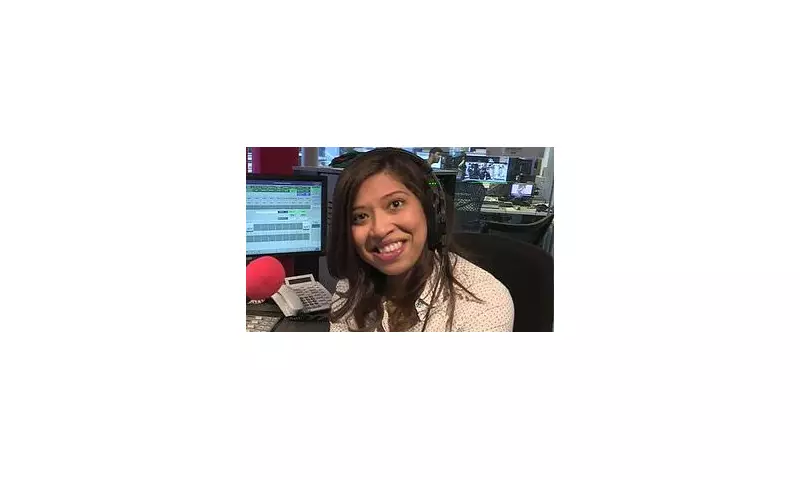
Megha Mohan, the BBC's gender and identity correspondent for seven years, allegedly tried to prevent women's rights organisation Woman's Place UK from appearing in a debate. Internal emails seen by The Telegraph reveal Mohan expressed concerns about giving the group a platform.
In one message sent months after starting her role, Mohan wrote: 'There's some concern from LGBT+ about giving this group a platform, they are seen as a more extreme organisation that we would be legitimizing.'
She followed up with another email stating: 'A couple of LGBT contacts have told me about Woman's Place and called them transphobes in the past.' The planned coverage was never broadcast.
Croxall's Viral Moment and ECU Ruling
The controversy comes as colleagues continue to support newsreader Martine Croxall after she corrected the phrase 'pregnant people' to 'women' during a live broadcast. While introducing a segment on Britain's heatwave, the autocue instructed her to warn 'pregnant people' to take precautions.
Croxall briefly read the line before correcting it with a raised eyebrow, saying: 'Malcolm Mistry, who was involved in the research, said the aged, pregnant people – women – and those with pre-existing health conditions need to take precautions.'
The moment immediately went viral, earning praise from viewers and high-profile figures including author JK Rowling, who hailed Croxall as her 'new favourite BBC presenter'.
However, on Thursday, the BBC's Executive Complaints Unit ruled that Croxall breached impartiality rules, concluding that her facial expression gave a 'strong impression of expressing a personal view on a controversial matter'.
Political Backlash and Internal Divisions
The ruling has sparked significant political criticism and exposed deep divisions within the Corporation. Conservative leader Kemi Badenoch declared: 'Whoever reprimanded Martine Croxall has lost the plot. This is the latest in an endless series of complaints that shows the BBC is no longer acting as a public service broadcaster.'
Reform UK leader Nigel Farage called it 'complete double standards', while former Prime Minister Boris Johnson accused the BBC of 'grotesque bias', adding: 'They have suppressed debate about the trans issue.'
Internally, many BBC staff have backed Croxall, arguing she simply corrected an 'obvious mistake' rather than making a 'political point'. A BBC source told the Daily Mail: 'She's quite a character – she can be quite sparky, it's not uncommon for her to do things like that and be playful with her presentation.'
The controversy has highlighted the ongoing tensions within the BBC over its coverage of gender identity issues, with the Corporation forced to correct an article about the ECU ruling because it was deemed too harsh on Croxall.
Woman's Place UK, established in 2017 with the aim of safeguarding single-sex spaces and services, closed down last year after saying it had achieved most of its initial goals.