The Rise and Fall of a Toxic Ghost Town
Once a year, the ghost town considered among the world's most contaminated briefly springs back to life. Visitors flood the streets, bringing illumination, conversation, and merriment, yet when darkness falls, they depart the town's boundaries, and silence descends once more. This is the haunting reality of Picher, Oklahoma, a former mining community now deemed uninhabitable due to its toxic legacy.
From Boom to Bust: The Mining Era
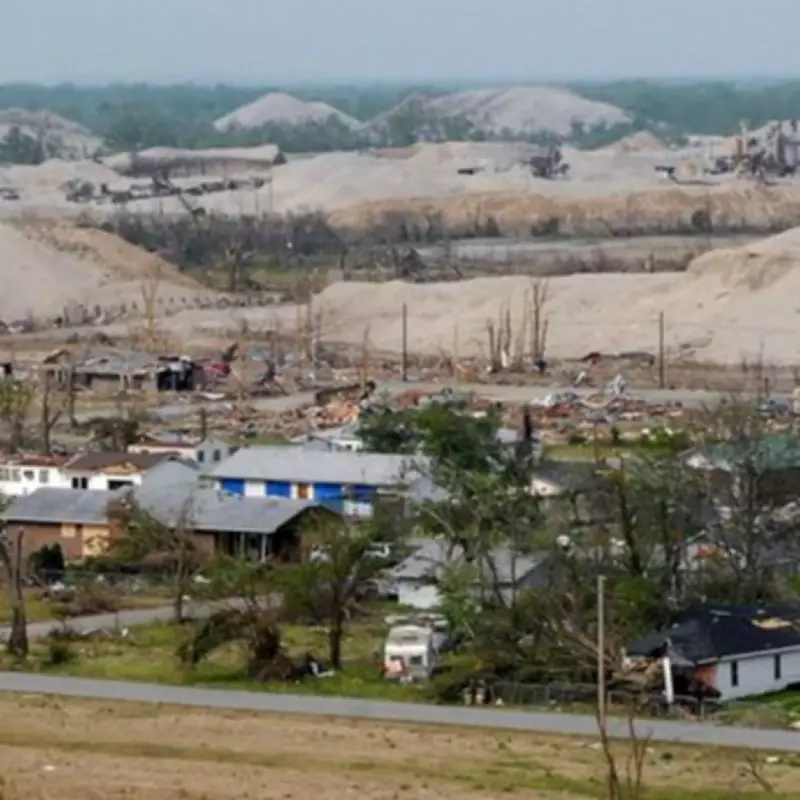
Picher emerged almost instantaneously as a remote haven in the wilderness, built on the extraction of lead and zinc from beneath the surface. Mine workers relocated their families here, and by 1920, the population had swelled to nearly 10,000 residents, with mining operations hitting their peak. Underground passages snaked beneath substantial portions of the town's foundations, whilst enormous mounds of chat—mining debris brought to ground level—loomed across the landscape in massive heaps.
Youngsters would regularly play on and around these hazardous piles, with Picher children labelled 'chat rats' by those from neighbouring areas. The substance was even utilised for road repairs, embedding the contamination deeper into the community's fabric. However, after 1926, much of the economic boom had ended. The decline in mining operations prompted numerous families to relocate, and by the 1960s, the population had plummeted to merely 2,553 inhabitants.

The Toxic Aftermath and Environmental Crisis
By 1967, all mining operations had ceased—and crucially, water extraction from the mines halted as well. This resulted in mine shafts becoming inundated with water severely contaminated by extraordinarily high concentrations of heavy metals, including lead, zinc, iron, nickel, and cadmium. Subsequently, this polluted water seeped into the surrounding waterways near Picher, creating an environmental disaster.
By the mid-1990s, the Indian Health Service grew sufficiently alarmed to conduct blood tests on the town's children, discovering that 35 per cent had worrying lead levels in their bloodstream. In 2004, soil samples taken from nurseries, school grounds, and play areas revealed elevated concentrations of lead and additional heavy metals—sufficient evidence to prompt the Environmental Protection Agency and Oklahoma state authorities to mandate a complete evacuation and purchase the entire township.
Structural Collapse and Final Abandonment
However, the contaminated earth wasn't the sole reason Picher faced abandonment. Following the cessation of mining operations, all 1,400 enormous cavities beneath the settlement remained unsealed. As time passed, the polluted groundwater eroded the structural supports, leaving the entire community vulnerable to collapse and submersion into the toxic mire below at any given moment.
The gradual exodus of inhabitants had commenced, and by 2013, the local authority had formally disbanded. The final holdouts who'd attempted to remain accepted buyout offers following a 2008 tornado which demolished 160 properties and claimed six lives, sealing the town's fate as a ghost town.
Annual Defiance: The Christmas Parade Revival
Today, the settlement is deemed uninhabitable due to toxicity, yet annually, those displaced from their dwellings return for a single evening. Each December, a festive parade winds through Picher, Oklahoma, drawing back former residents who were compelled to leave. They return on their own accord to celebrate amongst the contaminated landscape—drinking, feasting, and belting out carols whilst proudly sporting jumpers bearing the words 'Chat Rats', transforming the once-derogatory nickname into a symbol of pride and resilience.
This brief resurgence highlights the enduring spirit of a community that refuses to be forgotten, even as it stands as a stark warning of environmental neglect and industrial fallout. The ghost town's story serves as a poignant reminder of the human cost behind toxic wastelands and the unbreakable bonds of home.