
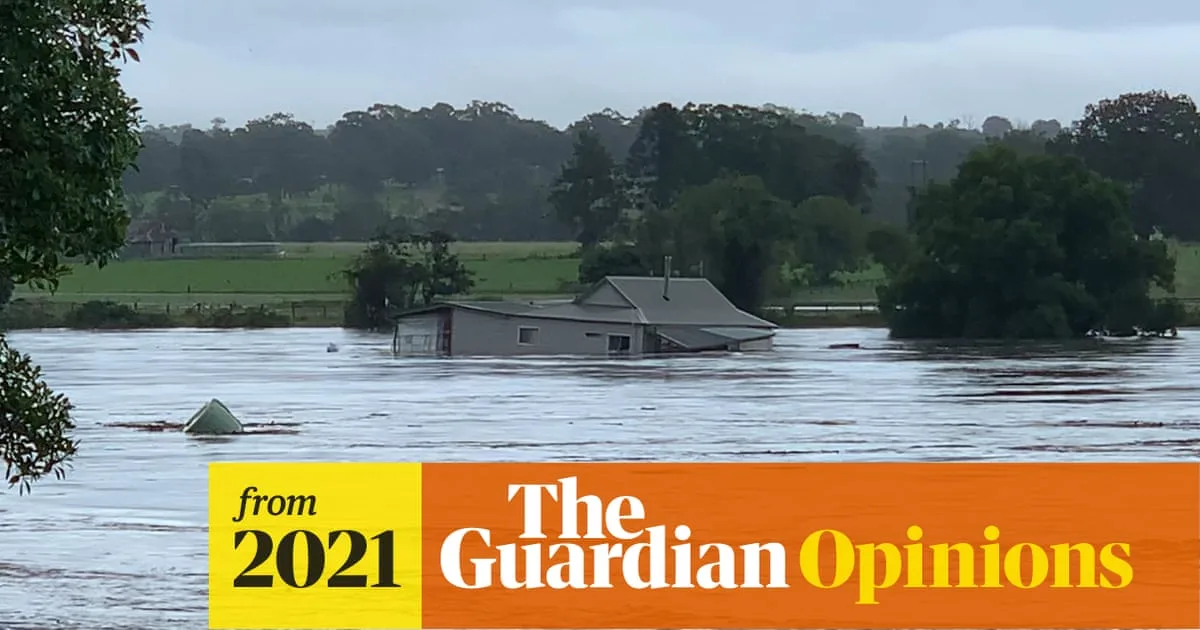
Australia faces a stark choice between a future resembling the dystopian worlds of 'Mad Max' and 'Waterworld' unless it takes immediate action on climate change, according to climate scientist Michael Mann. Writing in the Guardian, Mann warns that the country's recent experiences of catastrophic bushfires and devastating floods are part of a harsh new climate reality driven by human carbon pollution.
Mann, who lived through the Black Summer bushfires in 2019-20 while on sabbatical in Sydney, describes witnessing mountains ablaze and meeting a farmer who lost most of his 180-year-old family farm. Now, from the US, he watches as Australian friends endure further climate-wrought devastation, this time from historic floods that forced over 18,000 evacuations in New South Wales.
The floods, described as a '100-year event', are becoming more frequent due to climate change, Mann explains. A warmer atmosphere holds more moisture, leading to heavier downpours, but also drier soils and worsened droughts. This 'whiplash' effect has seen many towns devastated by bushfires just over a year ago now submerged by floods.
Mann argues that adapting to this new reality is possible with sufficient government funding and infrastructure for climate resilience. However, if global heating continues, many heavily populated parts of Australia will become uninhabitable. He stresses that there is still a narrow window to prevent catastrophic 1.5C warming by halving carbon emissions over the next decade.
To achieve this, Australia—one of the world's largest fossil fuel exporters—must do its part. Mann criticises Prime Minister Scott Morrison's Coalition government for showing little commitment to meaningful climate action, warning that without change, Australia could descend into an Orwellian dystopia within five years.




