
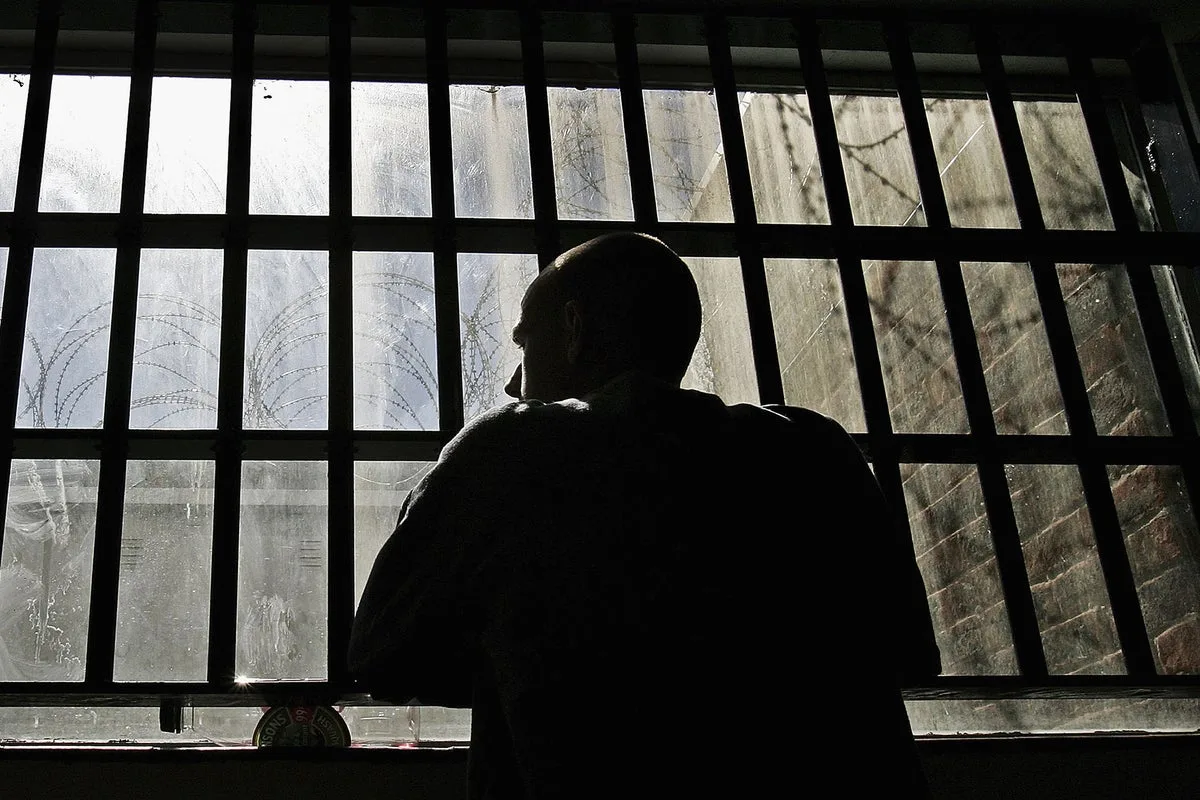
Secret Ministry of Justice projections obtained by The Independent reveal that at least 520 prisoners serving abolished indefinite jail terms will still be incarcerated in March 2030, undermining the government's claim that its action plan will address the scandal. The figures, released under a freedom of information request, show that hundreds will never have been freed.
Former Lord Chief Justice Lord John Thomas called the projections a 'failure' that will not end the 'obvious injustice' for those serving imprisonment for public protection (IPP) sentences. The open-ended punishments, scrapped in 2012 but not retrospectively, have been linked to almost 100 suicides in prison and compared to a 'gulag system'.
The total IPP population in 2030 is likely higher, as the projections exclude those recalled for breaching licence conditions or held in secure hospitals after mental health deterioration. Almost 2,400 people were still on IPP sentences in December 2025, including 924 never released, many serving at least 10 years beyond their original minimum term.
Lord Thomas urged Prisons Minister James Timpson to give all IPP prisoners a release date within two years of their next parole review, as proposed by the Howard League for Penal Reform. He said the government's plan 'demonstrates the failure' and 'accepts that its plan will result in obvious injustice'.
Cases highlighted include Leroy Douglas, jailed in 2005 for robbing a mobile phone, now under UN investigation for arbitrary detention; Thomas White, who set himself alight after 13 years for stealing a phone; and Abdullahi Suleman, still incarcerated 20 years after a laptop robbery. Campaign group Ungripp said the plan will not 'move the dial'.




